
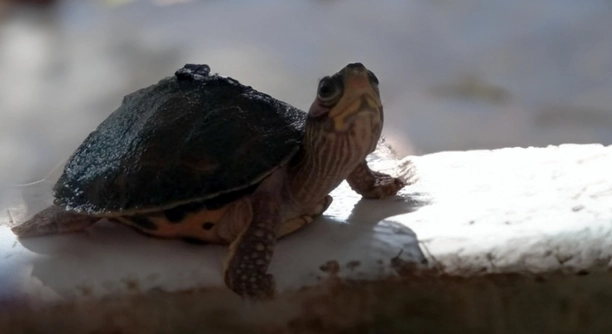
Many owners of Indian Roofed Tortoises want to provide the best care for their pets, especially when it comes to feeding. But, sometimes, small mistakes can affect their well-being and long-term health. It’s important to avoid common feeding errors.
The most common feeding mistakes made by Indian Roofed Tortoise owners include improper food choices, overfeeding, underfeeding, and not providing enough variety in their diet. These mistakes can lead to nutritional imbalances, weight issues, and digestive problems.
By recognizing these common errors, you can ensure your tortoise stays healthy and happy. Understanding what to feed them and how to adjust their diet will make a big difference in their overall care.
1. Offering a Limited Diet
Many owners rely on just one or two types of food for their Indian Roofed Tortoise. While it’s tempting to feed them only their favorite veggies, this can result in an unbalanced diet. A varied diet is key to ensuring your tortoise gets all the necessary nutrients for growth and energy. Providing a range of leafy greens, vegetables, and fruits can help avoid deficiencies. Without variety, your tortoise may miss out on essential vitamins and minerals, which could lead to health issues over time.
Feeding a limited diet can cause long-term health problems. It’s important to introduce different food items to maintain balance.
The lack of diversity in their meals can also affect their overall energy levels and immune system. A well-rounded diet should include dark leafy greens like kale, dandelion greens, and collard greens. Avoid feeding them too much fruit, as it can lead to weight gain and digestive problems. Offering a good variety helps keep your tortoise physically active and mentally stimulated. Additionally, some tortoises may develop a preference for certain foods, so it’s essential to introduce new options gradually.
2. Overfeeding or Underfeeding
Feeding your tortoise the right amount of food can be tricky. Overfeeding can cause obesity, while underfeeding can lead to malnutrition and stunted growth. It’s important to stick to a feeding schedule, adjusting portions as needed based on the tortoise’s age, size, and activity level.
Both overfeeding and underfeeding can be dangerous for your tortoise’s health. Finding the right balance is crucial.
For young tortoises, a little more food is necessary to support their growth. As they mature, their dietary needs may change, and you’ll need to adjust portions accordingly. To ensure you’re feeding the right amount, aim to provide fresh food once or twice a day, with portion sizes that match your tortoise’s size. Be mindful of how much food they actually consume. Uneaten food should be removed after a few hours to avoid it spoiling and attracting pests. Checking the weight regularly and observing your tortoise’s behavior can also give you insight into whether you’re feeding too much or too little.
3. Feeding the Wrong Foods
Feeding your Indian Roofed Tortoise foods that aren’t suitable for them can lead to health problems. Some foods might be harmful, while others don’t provide the proper nutrients. It’s vital to research what your tortoise can safely eat.
Certain foods should be avoided entirely. For instance, feeding them iceberg lettuce can lead to digestive issues, as it lacks nutrients. Some fruits, like citrus, can cause stomach upset. Always stick to safe vegetables and occasional fruits that are known to be beneficial. When unsure, it’s best to check trusted sources for proper feeding guidelines. Over time, your tortoise’s health can decline if these wrong foods are regularly included in their diet.
Adding to the problem, feeding them too much of the same food can limit the intake of other important nutrients. For example, spinach is high in oxalates, which can interfere with calcium absorption. Though spinach isn’t harmful in small amounts, it shouldn’t make up the bulk of your tortoise’s diet. Always aim for a balanced mix to ensure proper nutrition.
4. Not Providing Fresh Water
Indian Roofed Tortoises require fresh water for proper hydration and digestion. While they get some water from their food, they still need a constant supply to stay healthy. It’s important to offer clean water daily.
You should place a shallow water dish in their enclosure to ensure they can easily drink. Make sure the water is replaced regularly to prevent bacteria growth. This is crucial, as dehydration can lead to serious health problems, including kidney issues. Clean water also aids digestion and helps maintain proper body temperature. Make sure your tortoise has access to water both during the day and at night.
Some tortoises enjoy soaking in shallow water, which also helps with hydration. Soaking provides additional moisture, helping to maintain healthy skin and aiding the shedding process. Make sure the water dish is shallow enough for your tortoise to climb in and out easily. However, always supervise your tortoise while it’s soaking to ensure it doesn’t accidentally tip over the dish or get stuck.
5. Feeding Too Much Fruit
Fruits can be a tasty treat, but feeding them too often can cause problems. They are high in sugar, which can lead to obesity and digestive issues. Limit fruit intake to occasional snacks, not a daily part of their diet.
Too much sugar can upset your tortoise’s stomach, leading to diarrhea or dehydration. Fruits like strawberries and watermelon should be offered sparingly. A diet heavy in fruit can also displace more nutritious options, like leafy greens, which provide the vitamins and minerals necessary for overall health. It’s best to use fruit as a treat, not a regular meal.
6. Incorrect Temperature and Lighting
Maintaining proper temperature and lighting is key to your tortoise’s digestion and overall health. The right environmental setup helps regulate their metabolism and ensures they can properly digest their food.
Your tortoise needs both a basking area with a heat lamp and cooler areas to regulate their body temperature. Without the proper heat, they can’t properly digest their food, leading to weight loss or digestive distress. UVB lighting is equally important, as it helps them absorb calcium. Without this, they may develop shell deformities or suffer from metabolic bone disease.
7. Ignoring Calcium and Vitamin D3 Needs
Indian Roofed Tortoises need a proper balance of calcium and vitamin D3 to keep their bones and shell healthy. Without these, they may suffer from brittle bones and other health problems.
To ensure proper calcium intake, dust your tortoise’s food with calcium powder several times a week. Calcium is essential for shell growth, and without enough, they can develop soft or deformed shells. Vitamin D3 helps with calcium absorption. If they don’t have access to UVB lighting, you may need to supplement their diet with a D3 supplement. Regularly providing both helps avoid metabolic bone disease.
FAQ
What should I feed my Indian Roofed Tortoise daily?
A healthy diet for your Indian Roofed Tortoise should consist mainly of dark leafy greens such as collard greens, dandelion greens, and kale. You can also add some other vegetables like squash, bell peppers, and carrots. Occasionally, you can offer fruits like strawberries or melon as a treat, but these should be limited due to their sugar content. It’s also important to provide a small amount of hay to encourage natural grazing behavior.
Can I feed my tortoise lettuce?
You can feed your tortoise some lettuce, but you should avoid iceberg lettuce. Iceberg lettuce is low in nutrients and has a high water content, which can lead to diarrhea and dehydration. Instead, opt for nutrient-rich varieties such as Romaine or red leaf lettuce. These provide some benefits, but don’t make lettuce the main part of your tortoise’s diet. Always balance it with other vegetables and greens.
How often should I feed my Indian Roofed Tortoise?
You should feed your tortoise once or twice a day, depending on their age and size. Young tortoises typically require more frequent feeding to support growth, while adults can be fed once a day. Monitor their food intake to ensure they are eating enough, but not overeating. Remove any uneaten food after a few hours to prevent spoilage.
Should I give my tortoise water daily?
Yes, you should provide fresh water daily. Even if your tortoise is eating moist foods, it still needs access to clean water for hydration. Place a shallow dish in its enclosure and ensure it is easy to reach. Make sure to replace the water regularly to avoid bacterial growth. Some tortoises enjoy soaking in water, so you may notice your tortoise drinking from the dish or soaking itself to stay hydrated.
Is it necessary to add calcium to my tortoise’s diet?
Yes, calcium is essential for the health of your tortoise’s bones and shell. Without enough calcium, your tortoise can develop metabolic bone disease or a soft shell. You should sprinkle calcium powder on their food at least 2–3 times a week. If your tortoise doesn’t get enough UVB light, you may need to provide additional Vitamin D3 to help with calcium absorption. This is crucial for their overall health.
What temperature should I keep my tortoise enclosure at?
The temperature in your tortoise’s enclosure should range between 75°F and 85°F (24°C to 29°C) during the day. You should have a basking spot with a temperature of around 90°F to 95°F (32°C to 35°C). At night, the temperature can drop to around 70°F (21°C). Ensure that there’s a cooler area in the enclosure as well, so your tortoise can regulate its body temperature.
Do Indian Roofed Tortoises need UVB lighting?
Yes, UVB lighting is essential for your tortoise’s health. It helps them synthesize Vitamin D3, which is necessary for calcium absorption. Without UVB lighting, your tortoise may develop shell deformities and other health issues. Ensure that the UVB bulb is placed in their basking area and is replaced every 6–12 months, as the strength of the bulb decreases over time, even if it still appears to be working.
How long can my tortoise go without food?
Adult tortoises can typically go without food for a few days to a week, as long as they have access to water and a stable temperature. However, young tortoises should not be left without food for more than a day or two, as they have higher energy needs. Always ensure your tortoise is eating a balanced diet regularly for optimal health.
Can I feed my tortoise fruit every day?
Fruits should only be given occasionally as treats. They are high in sugar and can cause weight gain and digestive issues if fed too frequently. Offer fruit once a week or as a small part of their diet, alongside leafy greens and vegetables. Always wash the fruit thoroughly to remove pesticides or chemicals.
Why isn’t my tortoise eating?
If your tortoise isn’t eating, it could be due to several reasons. A common cause is improper temperature in the enclosure, as tortoises need warmth to digest their food. If the enclosure is too cold, your tortoise may not feel hungry. Stress, health issues, or a change in diet can also affect their appetite. If the problem persists, it’s important to consult a vet to ensure there are no underlying health concerns.
Final Thoughts
Caring for an Indian Roofed Tortoise can be both rewarding and challenging. The key to a healthy tortoise lies in understanding their specific needs and providing a proper diet, environment, and attention. By offering a balanced diet with a variety of leafy greens, vegetables, and occasional fruit, you can help ensure that your tortoise stays healthy. Regularly dusting their food with calcium and providing proper UVB lighting are also important aspects of their care. Tortoises need access to clean water every day, and it’s important to monitor their behavior and weight to adjust their diet when necessary.
It’s crucial to avoid feeding them too much fruit or the wrong types of food, as this can lead to digestive problems and long-term health issues. Overfeeding or underfeeding can also cause obesity or malnutrition, which can affect your tortoise’s growth and overall well-being. By being mindful of portion sizes and the variety of food they get, you can help prevent these problems. Maintaining a clean and safe environment with the right temperature and lighting will further support your tortoise’s digestion and metabolism. Keep a regular schedule for feeding and make sure to remove uneaten food after a few hours to keep their habitat clean.
Remember that every tortoise is unique, and observing their eating habits and behaviors will help you fine-tune their diet. If you’re unsure about any aspect of their care, don’t hesitate to reach out to a vet experienced with reptiles. Proper care and attention to detail will help your Indian Roofed Tortoise live a long and healthy life, full of activity and energy. Understanding their needs and being patient with their care will ensure both you and your tortoise have a fulfilling experience together.

Hello,
If you enjoy the content that we create, please consider saying a "Thank You!" by leaving a tip.
Every little bit helps us continue crafting quality advice that supports the health, happiness, and well-being of pets around the world, for pets of all shapes, sizes, and species.
We really appreciate the kindness and support that you show us!