
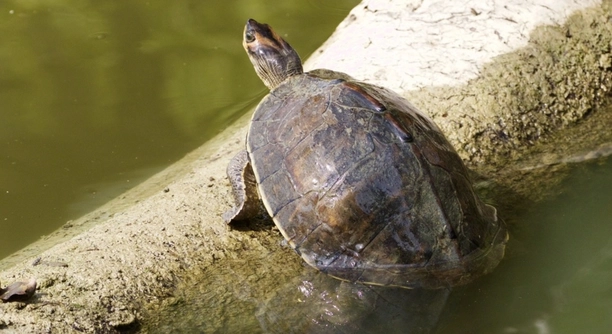
Do you notice your Indian Roofed Tortoise rubbing its head on objects? This behavior can be puzzling for many tortoise owners, but understanding why it happens can help you care for your pet better.
Head rubbing in Indian Roofed Tortoises is often linked to shedding their scutes, mating behavior, or environmental stress. It can also indicate an attempt to mark territory or even discomfort from their environment.
Understanding the reasons behind this action can help provide your tortoise with a healthier and more comfortable living space. Exploring these behaviors will ensure their well-being and help you manage their needs more effectively.
Common Causes for Head Rubbing
When an Indian Roofed Tortoise rubs its head on objects, it could be related to a few common behaviors. One possible cause is the shedding of their scutes, which are the hard, bony plates on their shells. Tortoises may rub their heads to help remove old or loose scutes. Another possible reason is territory marking. These tortoises may rub their heads against objects to leave a scent trail, signaling ownership of their space. Sometimes, head rubbing can be linked to stress or discomfort. Changes in environment, such as temperature or humidity levels, may make the tortoise act out.
Head rubbing can be a sign of more serious issues like a respiratory infection or injury. If this behavior continues for an extended period, it’s important to look for other signs, such as lethargy, nasal discharge, or labored breathing. A trip to the vet can help rule out health problems.
Be aware of your tortoise’s overall health. If you notice anything unusual, taking action sooner can prevent further complications.
How to Address the Behavior
Adjusting your tortoise’s habitat can reduce head rubbing caused by stress or discomfort. Ensuring proper temperature and humidity levels can help keep your tortoise at ease. If you are unsure of the ideal setup, consult a veterinarian or expert in reptile care.
In some cases, providing additional hiding spots or enriching the enclosure with more objects for the tortoise to interact with can reduce unnecessary head rubbing. Additionally, monitor your pet’s health closely. Keep track of any changes in behavior and act promptly if anything appears abnormal.
Shedding and Scute Removal
As Indian Roofed Tortoises grow, they naturally shed their scutes. The process can be uncomfortable, and your tortoise may rub its head against objects to help remove the old scutes. This is entirely normal and happens at different rates depending on the tortoise’s age and environment. You may notice your tortoise rubbing more frequently during a shedding period.
Providing a clean, safe space for your tortoise can help. If they have rough surfaces to rub against, like rocks or logs, it can assist in the shedding process. However, if the scutes don’t shed properly or seem stuck, it may be worth consulting a vet. Improper shedding can cause discomfort and lead to health problems like shell rot.
Keep an eye on the scutes. If you see the same scutes persistently hanging on or the tortoise rubbing excessively, a visit to the vet can ensure your tortoise is not dealing with an infection or abnormal growth.
Stress or Discomfort in the Environment
Environmental factors are a big reason for head rubbing. If the temperature or humidity in the tortoise’s enclosure is off, it can make them stressed. In the wild, tortoises seek warmth and moisture to stay comfortable. If your pet feels too cold or too dry, it may show its discomfort through rubbing.
To prevent this, check the temperature and humidity levels regularly. Ensure there are places in the enclosure for the tortoise to seek warmth, cool down, and hide. An indoor heating lamp and a humidity gauge can help maintain the right conditions. A tortoise exposed to extreme or inconsistent temperatures may also show other signs of stress, like pacing or lack of appetite.
If the environment is fine, and the rubbing doesn’t stop, check if there are any other possible sources of stress, such as noise, changes in its routine, or new additions to its space.
Mating Behavior
Head rubbing can sometimes be linked to mating behaviors. Male Indian Roofed Tortoises may rub their heads against objects as part of courtship rituals. This behavior is typically seen during mating season when the tortoise is trying to impress a potential mate. It’s a natural and common occurrence.
If you have both male and female tortoises, it’s possible that the male is simply showing interest in the female. However, if multiple males are present, it can lead to more frequent head rubbing as they compete for attention. Monitor the behavior to ensure it doesn’t cause injury or stress.
Injury or Health Issues
Head rubbing could also signal an injury or health problem. If your tortoise is rubbing its head excessively, it may be trying to soothe a wound or irritate the area. Injuries to the head, neck, or shell can be difficult to detect without a close inspection.
If you suspect an injury, carefully check your tortoise for cuts, bruises, or swelling. If there are signs of trauma or you notice other unusual behavior like lack of appetite or lethargy, it’s best to consult a vet to rule out serious health issues.
FAQ
Why is my Indian Roofed Tortoise rubbing its head on objects?
Your Indian Roofed Tortoise may rub its head on objects for several reasons. It’s common for tortoises to rub their heads during shedding to help remove old scutes. It could also be part of mating behavior or a way to mark its territory. Environmental stress, such as improper temperature or humidity levels, can also cause this behavior. In some cases, head rubbing could be linked to discomfort or injury.
How can I tell if my tortoise is shedding its scutes?
You can identify scute shedding by looking for the edges of the scutes becoming loose or peeling away from the shell. This process typically happens in stages, and you may notice small patches of the shell that look lighter or more worn. Your tortoise may rub against objects to help remove these old scutes, making the shedding process easier.
Is it normal for a tortoise to rub its head on rocks or logs?
Yes, it is normal for your tortoise to rub its head on rough surfaces like rocks or logs. This action helps them with shedding scutes and can also be a way to relieve discomfort. However, if this behavior seems excessive or doesn’t stop, it may be a sign of stress, health issues, or environmental factors that need to be adjusted.
What temperature and humidity levels are ideal for my tortoise’s enclosure?
The ideal temperature for an Indian Roofed Tortoise’s enclosure is between 80°F and 85°F (27°C to 29°C) during the day, with a basking area around 90°F (32°C). At night, the temperature can drop to around 70°F (21°C). The humidity level should be maintained between 50% and 60%, but it can be slightly higher during shedding periods.
Could my tortoise be rubbing its head because of stress?
Yes, stress can lead to head rubbing. If your tortoise is exposed to sudden changes in its environment, such as temperature fluctuations, noise, or the introduction of new animals, it might rub its head to cope. Make sure its habitat is quiet, stable, and free from stressors to keep it comfortable.
How do I prevent my tortoise from rubbing its head excessively?
To prevent excessive head rubbing, ensure that your tortoise’s environment is comfortable. Check the temperature and humidity regularly and provide plenty of hiding spots or objects for enrichment. If the rubbing persists, try removing any stressors from its environment. If you suspect health problems, consult a vet for guidance.
Could my tortoise be injured if it’s rubbing its head on objects?
While head rubbing is often normal, it could be a sign of an injury if it’s frequent or if there are other symptoms, like swelling, redness, or cuts. Gently inspect your tortoise for any injuries to its head, neck, or shell. If you suspect an injury, seek veterinary attention to ensure your pet heals properly.
Is my tortoise trying to mate when it rubs its head?
In some cases, head rubbing may be related to mating behavior, especially if you have a male and female tortoise. Males often rub their heads against objects or even the female during courtship. If the behavior occurs during mating season, it’s likely a natural attempt to attract a mate. Keep an eye on your tortoise to make sure it’s not becoming too stressed.
How can I tell if my tortoise is stressed from its environment?
Signs of stress in tortoises include excessive pacing, lack of appetite, aggressive behavior, and, in some cases, head rubbing. Environmental factors like improper lighting, incorrect temperature, and inadequate space can contribute to stress. Ensure your tortoise has a proper basking spot, access to clean water, and a spacious enclosure.
When should I be concerned about my tortoise’s head rubbing?
If your tortoise’s head rubbing is accompanied by other concerning signs, like lethargy, loss of appetite, or breathing issues, it’s time to consult a vet. Continuous rubbing or rubbing that causes injuries could be a sign of health problems. It’s best to monitor the behavior and seek help if it doesn’t improve.
Can I help my tortoise if it’s rubbing its head too much?
Yes, you can help your tortoise by providing a comfortable, stress-free environment. Ensure that the temperature and humidity levels are appropriate for its species. Offer plenty of space and enrichment objects like logs, rocks, and hiding places. If the behavior persists, a visit to the vet can rule out health issues.
How do I make sure my tortoise is shedding its scutes properly?
To ensure proper scute shedding, maintain a proper habitat with the right humidity and temperature. A healthy diet rich in calcium will also support shell health. If you notice scutes that aren’t shedding correctly, you can gently soak your tortoise in lukewarm water to help loosen the scutes. However, if the issue persists, consult a vet for advice.
What other behaviors should I watch for in my tortoise?
In addition to head rubbing, other behaviors to watch for include changes in appetite, lethargy, or abnormal movements. If your tortoise is acting differently or seems in distress, it could be a sign of stress, discomfort, or illness. Regular monitoring of your tortoise’s behavior can help you identify any potential health issues early.
Can my tortoise rub its head on objects if it’s feeling unwell?
Yes, a tortoise might rub its head on objects if it’s feeling unwell, especially if it has an injury or infection. If the rubbing is accompanied by other signs of illness, like discharge from the nose, labored breathing, or a lack of interest in food, it’s important to consult a vet right away.
How often should I change my tortoise’s environment or bedding?
You should change the bedding in your tortoise’s enclosure regularly, usually once a week, to maintain cleanliness and reduce the risk of bacterial growth. The substrate should be dry and absorbent. If your tortoise is shedding scutes, changing the bedding more frequently may help prevent any issues with the shell.
Should I worry if my tortoise is rubbing its head on glass or smooth surfaces?
Rubbing on glass or smooth surfaces can indicate frustration, as tortoises may try to escape or mark territory. It could also be a sign that the tortoise feels confined or stressed in its enclosure. To address this, increase the size of the enclosure or add more objects for enrichment to reduce stress.
Are there any treatments for a tortoise rubbing its head excessively?
If the rubbing is due to scute shedding, no treatment is needed other than providing a proper environment. For environmental stress, adjustments to the habitat can help. If health issues are suspected, a veterinarian may provide treatments or advice. Always monitor your tortoise’s overall health to ensure it’s comfortable.
Final Thoughts
Head rubbing in your Indian Roofed Tortoise is usually a normal behavior that can be linked to several factors. It’s important to observe whether your tortoise is simply shedding scutes, engaging in mating behavior, or responding to environmental conditions. Most of the time, rubbing its head against objects is a sign of healthy natural behaviors, such as the shedding of old scutes or marking territory. If your tortoise is rubbing more than usual, it might also be trying to adjust to changes in its environment or stressors that you may not be aware of.
However, there are times when excessive head rubbing may be a cause for concern. If the behavior is ongoing and you notice other signs like a lack of appetite, lethargy, or abnormal behavior, it could indicate a health issue. Injuries to the head or shell, respiratory infections, or even problems with the shedding process can cause discomfort and lead to head rubbing. In such cases, it’s crucial to take a closer look at your tortoise’s overall health and consult a vet if necessary. Timely intervention can prevent any issues from worsening.
Lastly, maintaining the right environment is key to preventing unnecessary stress and behaviors like head rubbing. Regularly checking the temperature, humidity, and overall cleanliness of your tortoise’s enclosure is essential for its well-being. A happy and healthy tortoise thrives in a stable, comfortable environment. If the behavior continues despite adjustments to its living conditions, don’t hesitate to reach out to an expert or a veterinarian. Addressing the problem early on can ensure your tortoise stays healthy and comfortable for years to come.

Hello,
If you enjoy the content that we create, please consider saying a "Thank You!" by leaving a tip.
Every little bit helps us continue crafting quality advice that supports the health, happiness, and well-being of pets around the world, for pets of all shapes, sizes, and species.
We really appreciate the kindness and support that you show us!