
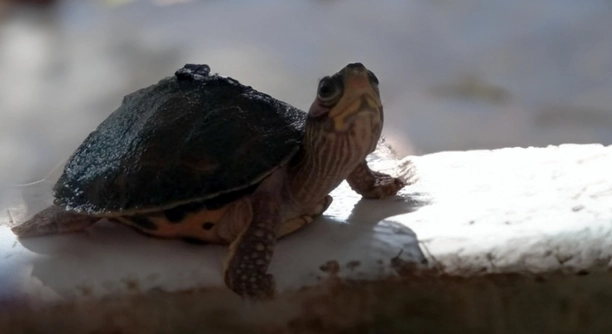
Encouraging your Indian Roofed Tortoise to explore its enclosure is essential for its mental and physical well-being. Providing an engaging environment helps your tortoise stay active and healthy, making it a happy and thriving pet.
To encourage your Indian Roofed Tortoise to explore its enclosure, create an enriching habitat with hiding spots, varied terrain, and obstacles. Introducing a diverse range of textures and smells will stimulate its curiosity, promoting exploration and activity.
A well-structured environment can make a noticeable difference in how your tortoise interacts with its home. Keep reading for tips to enhance its space and encourage exploration.
Creating a Diverse Environment
A stimulating environment plays a significant role in getting your tortoise to explore. Instead of just placing it in a simple, empty space, try adding rocks, logs, and plants. These objects can act as obstacles or places to hide, making your tortoise feel more secure and curious. When the enclosure has variety, it encourages natural behaviors like climbing, hiding, and burrowing. Additionally, changing the layout from time to time can keep things fresh, preventing boredom. The more dynamic the habitat, the more likely your tortoise will want to roam and explore.
By adding multiple hiding spots, your tortoise feels more comfortable and confident to venture out. Safe spaces give it the sense of security it needs to explore more.
Use natural materials like wood, stones, and leaves to create a more engaging atmosphere. Adding these simple elements makes your tortoise feel like it’s in a more natural environment, sparking its interest. Also, consider adding a shallow water dish to offer an additional attraction.
Providing a Varied Diet
The right diet is another way to entice your tortoise to explore. Offering a range of foods will not only help with nutrition but also draw your tortoise out of its shell. Fresh vegetables, flowers, and a little bit of fruit can add excitement to your tortoise’s routine. It may even start associating you with the tasty treats, making it more active and willing to explore its surroundings.
Your tortoise may be more motivated to move around when it knows food is involved. Using its favorite food as a reward can help encourage exploration.
A varied diet helps mimic the natural eating habits of your tortoise. In the wild, tortoises actively forage for different types of plants, so offering a mixture of greens and flowers will trigger its natural instincts. You can hide food in different areas of the enclosure to make it search, encouraging more movement and exploration. A slow-feeding technique can also encourage your tortoise to work for its food, adding more mental stimulation to its routine.
Temperature and Lighting
Proper lighting and temperature control are essential to make your tortoise feel comfortable enough to explore. It needs a temperature gradient, with a warm basking spot and a cooler area for resting. Use a heat lamp and UVB light to replicate natural conditions, which will keep your tortoise active and encourage movement. Without the right setup, your tortoise may become lethargic and less likely to explore.
Ensure the basking area is warm enough, usually around 90°F (32°C), while the cooler end of the enclosure should be about 75°F (24°C). Proper light not only helps regulate its body temperature but also supports its overall health, making it more likely to move around.
UVB light is especially crucial for tortoises because it helps them synthesize vitamin D3, which in turn supports calcium absorption. This is vital for shell health and overall well-being. Without it, your tortoise might avoid movement due to discomfort or weakness, limiting its exploration. Regularly check your lights and temperature to maintain optimal conditions.
Adding Textures and Surfaces
Introduce various surfaces and textures like gravel, sand, and soil. These mimic the natural environment and provide a better experience for your tortoise. Different surfaces offer tactile stimulation, which encourages exploration and movement. Tortoises are naturally curious about different textures, and providing options like soft soil or rough stones will motivate them to roam.
Adding surfaces such as a mix of sand and soil helps to simulate natural habitats where tortoises are used to moving across uneven ground. These changes in texture can make your tortoise feel more at ease, helping it explore more freely. Try to mix the ground materials to create interest.
Don’t forget to include a shallow area with some water. Tortoises love to dip into water occasionally, which can encourage them to move around. The inclusion of water and textured surfaces helps replicate the variety of environments they would naturally encounter, keeping your tortoise mentally and physically engaged. Adjusting textures and surfaces over time will keep your tortoise interested and prevent it from becoming too accustomed to one layout.
Enclosure Size
An adequately sized enclosure is key to encouraging exploration. If the space is too small, your tortoise won’t have room to roam and may stay in one spot. Ensure the enclosure is large enough to accommodate movement, climbing, and foraging.
A spacious enclosure gives your tortoise the freedom to explore its environment. Ideally, it should be at least four times the length of the tortoise. This allows it to move around, find hiding spots, and engage in natural behaviors like walking and climbing. A cramped space can hinder these activities, making the tortoise less active.
Natural Sunlight
If possible, allow your tortoise to experience some natural sunlight. This exposure can stimulate its desire to explore and provides beneficial UVB rays for its health. Even a few hours a day in direct sunlight can help.
Natural sunlight is especially useful for both warmth and UVB exposure. The sun’s rays help maintain your tortoise’s circadian rhythm, encouraging natural movement patterns. If you can, take your tortoise outside safely for short periods. Ensure that the area is secure and free of hazards before allowing it to roam.
Regular Interaction
Regular interaction with your tortoise helps strengthen the bond and encourages it to explore. If your tortoise feels comfortable with you, it may be more willing to venture out and engage with its environment. Keep handling to a minimum to avoid stressing it.
Gentle, consistent handling builds trust. Over time, your tortoise will become more confident and curious, likely leading to more movement. Avoid overwhelming it with too much contact, but aim for positive, calm interactions. Familiarity with you as a safe presence will encourage natural exploration of its space.
FAQ
How can I tell if my tortoise is bored?
Boredom in a tortoise often shows up through lack of movement and interest in its environment. If your tortoise spends most of its time hiding, sleeping, or remaining in one spot without engaging with its surroundings, it might be bored. A lack of exploration, even during feeding time, can also be a sign that it needs more stimulation. Keep an eye out for these behaviors, and try to adjust the environment to encourage more activity.
How often should I change my tortoise’s enclosure setup?
You don’t need to change the entire setup constantly, but it’s good to rearrange things every few weeks. This helps keep the environment fresh and stimulates your tortoise’s curiosity. You can move rocks, logs, and plants around, add new textures, or create new hiding spots. Changing up the layout helps keep your tortoise engaged and promotes exploration.
Can I put my tortoise in an outdoor enclosure?
Yes, an outdoor enclosure can be great for your tortoise as long as it’s secure, safe, and designed to protect it from predators or harmful weather. Make sure the area has proper sunlight, shade, and a safe, enclosed space to prevent escapes. If you’re in a warmer climate, outdoor enclosures allow your tortoise to engage in more natural behaviors. Just ensure that the outdoor space is free from chemicals, toxic plants, or other hazards.
How can I get my tortoise to eat more?
If your tortoise isn’t eating enough, try offering a variety of food. Experiment with different greens, flowers, and vegetables. You can also try placing the food in different spots to encourage searching. If your tortoise is still hesitant to eat, it could be a sign of stress, illness, or an improper environment, so check the temperature and lighting as well. Always remove uneaten food after a few hours to avoid contamination.
Why does my tortoise stay in one spot?
A tortoise staying in one spot may indicate it’s feeling stressed or uncomfortable. Check the enclosure’s temperature and humidity levels; if they’re too high or low, it can cause lethargy. Stress could also be caused by being in a cramped space or not having enough hiding spots. Try to ensure your tortoise has a comfortable environment with plenty of space, safe areas to hide, and varied textures to encourage movement.
How do I know if my tortoise is healthy?
A healthy tortoise will be active, alert, and willing to explore its surroundings. It should have clear eyes, a smooth, intact shell, and no signs of swelling or discharge. Check its eating and drinking habits as well—healthy tortoises are typically enthusiastic eaters and drink regularly. If your tortoise is sluggish or exhibits unusual behavior, it’s best to visit a vet to rule out any health issues.
Can I keep more than one tortoise in the same enclosure?
It is possible to house more than one tortoise together, but it’s important to consider their size, species, and temperament. Some tortoises are territorial and may become aggressive with others, so make sure there’s enough space and hiding areas. If you plan to keep multiple tortoises, make sure the enclosure is large enough to prevent stress and conflict. Introduce them carefully and monitor their interactions.
What are the best materials for the bottom of my tortoise’s enclosure?
The best materials for the enclosure floor depend on your tortoise’s species and natural habitat. Some options include soil, sand, and coconut coir. Avoid materials like gravel or wood chips, as they can cause injury or ingestion issues. A mix of sand and soil is often ideal, as it allows your tortoise to dig and burrow while being easy to clean.
How do I prevent my tortoise from escaping?
To prevent escapes, make sure the walls of the enclosure are high enough and secure. Use smooth, vertical walls or bury the edges of the enclosure a few inches into the ground. Regularly check for weak spots or areas that could be climbed over. If your tortoise is particularly determined, consider adding a secure lid or roof to the enclosure.
Why is my tortoise not moving much?
If your tortoise isn’t moving much, it could be due to improper temperature, illness, or stress. Make sure the enclosure has a proper heat gradient, with a warm basking area and a cooler area for rest. If the environment is too cold, your tortoise may not have the energy to move around. If it continues to be inactive, consider taking it to the vet for a check-up.
Is it normal for my tortoise to hide all the time?
Hiding is a normal behavior, especially if your tortoise feels the need to rest or escape from something that might be stressing it. However, if your tortoise hides constantly and shows little interest in exploring or eating, it could be a sign of discomfort. Check the temperature, humidity, and lighting in the enclosure, as well as the availability of hiding spots. It might be reacting to stress or environmental conditions that need adjusting.
How can I keep my tortoise active during colder months?
During colder months, it may be harder to keep your tortoise active. Consider moving the enclosure indoors, where you can better control the temperature and lighting. You may also need to supplement with a heat lamp or UVB light to keep the environment optimal. Keep the space engaging with objects that encourage exploration and movement.
What should I do if my tortoise isn’t eating its food?
If your tortoise isn’t eating, try switching up the food options to find what it likes. Offer a variety of fresh greens, vegetables, and some fruits, but avoid sugary or processed foods. Also, try placing food in different areas of the enclosure to encourage foraging behavior. If your tortoise still refuses to eat, check the enclosure’s temperature, lighting, and humidity levels, and consider consulting a vet for further advice.
Final Thoughts
Creating a space where your Indian Roofed Tortoise feels comfortable and curious is important for its well-being. The more engaging its environment, the more likely it is to explore and remain active. A good balance of natural elements, like rocks, plants, and varied surfaces, will keep your tortoise interested. At the same time, making sure the enclosure has the proper lighting, temperature, and food options is key to maintaining its health and activity levels.
Adjusting the layout of the enclosure and offering fresh food choices every so often will help to keep your tortoise engaged. When they have a variety of places to explore, like hiding spots or climbing surfaces, it encourages natural behaviors. Regularly monitoring their behavior is essential. If you notice your tortoise becoming less active, it could be a sign to change up the environment or check for possible health concerns.
In the end, it’s about creating a space that mimics the tortoise’s natural habitat as closely as possible. The more effort you put into maintaining an enriching and safe environment, the more likely your tortoise will be to explore and enjoy its home. If your tortoise doesn’t seem as active as you’d like, it’s a good idea to evaluate its surroundings and make adjustments where needed. With the right setup, your tortoise will thrive and stay engaged with its enclosure.

Hello,
If you enjoy the content that we create, please consider saying a "Thank You!" by leaving a tip.
Every little bit helps us continue crafting quality advice that supports the health, happiness, and well-being of pets around the world, for pets of all shapes, sizes, and species.
We really appreciate the kindness and support that you show us!