
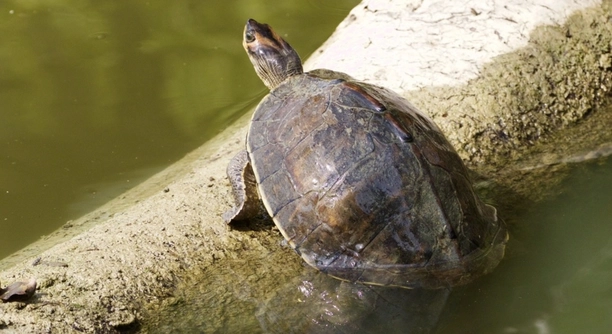
Indian Roofed Tortoises make wonderful pets for many reasons, offering both companionship and low-maintenance care. These reptiles are well-suited for various living environments, making them great additions to many households.
Indian Roofed Tortoises are great pets due to their calm nature, easy care, and adaptability. They thrive in both indoor and outdoor environments. Their diet is simple, and their lifespan makes them a long-term companion for many pet owners.
These tortoises bring a sense of peace and simplicity to any home. Understanding their care requirements can help you make the most of their unique qualities.
Easy Care and Maintenance
Indian Roofed Tortoises are known for their minimal maintenance needs. Their care is straightforward, requiring a clean living space, access to sunlight, and a balanced diet. They can adapt to indoor or outdoor habitats, though outdoor environments require secure fencing to prevent escapes. Regular cleaning of their habitat is important to ensure a healthy living space. The best part is that they don’t need daily interaction, making them ideal for people who prefer a more hands-off pet.
Their diet consists mainly of leafy greens, fruits, and vegetables. A varied diet keeps them healthy and happy, with occasional supplementation of calcium for strong shells. They are also water drinkers, so access to clean water is necessary.
Overall, the simplicity of their needs makes them great for people who may not have time for more demanding pets. Their long lifespan ensures you have a companion for many years. Providing them with the right environment will ensure a healthy and stress-free life for the tortoise.
Suitable for Small Spaces
Indian Roofed Tortoises are small enough to fit in various living spaces. Their compact size means they don’t require large enclosures, making them perfect for apartments or homes with limited space.
These tortoises require space to roam, but a well-sized enclosure or garden area can meet their needs. They are low-energy animals, and their space needs are manageable, as long as they have an outdoor area to bask or a spacious indoor setup.
Low Maintenance Diet
Indian Roofed Tortoises are not picky eaters. They thrive on a simple diet consisting of leafy greens, fruits, and vegetables. Their meals are easy to prepare and require little effort.
They do best with a variety of greens like dandelion, kale, and collard greens. Fruits such as strawberries, apples, and melon are occasional treats. These tortoises do not need expensive food or special feeding habits, which makes them a low-maintenance pet choice. Providing clean water is equally important to keep them hydrated.
Feeding them properly ensures a healthy shell and well-being. Avoid overfeeding them with high-fat or processed foods, as this can lead to obesity and other health problems. Sticking to a balanced diet will keep your tortoise active and healthy.
Long Lifespan
Indian Roofed Tortoises can live for decades. Their lifespan ranges from 50 to 80 years, offering a long-term companionship.
The longevity of these tortoises makes them a great pet for those looking for a reliable companion over the years. They are relatively easy to care for, but you will need to commit to maintaining their habitat and diet for a long time. Their long life requires dedication, but their calm nature makes it rewarding.
As they age, their needs remain relatively stable. Regular check-ups to monitor their health, along with a secure habitat, ensure a happy life for many years.
Calm and Gentle Temperament
Indian Roofed Tortoises are known for their calm nature. They are not aggressive, making them easy to handle and enjoy. Their slow, gentle movement adds to their tranquil demeanor.
This peaceful temperament makes them ideal for those seeking a low-stress pet. They are not easily startled and tend to remain calm even when handled. Over time, they can become accustomed to human presence, which creates a peaceful interaction.
Their quiet, steady presence in the home can be a calming factor for those who enjoy a serene environment.
Easy to Handle
Indian Roofed Tortoises are small and easy to handle. Their slow-moving pace means they are less likely to escape or cause stress.
Their size allows for easy interaction without fear of injury, either to the tortoise or the owner. Handling should be gentle and minimal to avoid stress, but their calm nature allows for a simple connection. Their hard, protective shell is resilient, adding to their durability when handled correctly.
Low Risk of Allergies
Indian Roofed Tortoises are a great choice for individuals with allergies. Unlike other pets, they do not shed fur or produce allergens that can trigger sensitivities.
Their minimal shedding reduces the need for constant cleaning and makes them suitable for homes with allergy concerns. The care requirements are low, so they do not contribute to dust or dander buildup.
FAQ
How much space does an Indian Roofed Tortoise need?
Indian Roofed Tortoises don’t require large enclosures. A space of about 4 feet by 6 feet is suitable for them to roam around. They can live indoors in a large enclosure or outdoors if you have a secure yard. The more space you can provide, the better, as it allows them to exercise and bask naturally. In any case, a well-maintained, spacious habitat ensures their well-being and happiness.
What temperature do Indian Roofed Tortoises need?
These tortoises thrive in temperatures ranging from 75°F to 85°F during the day. At night, temperatures can drop to 70°F. They need access to a basking area with a heat source, usually around 95°F, to help regulate their body temperature. In cooler climates, a heat lamp or under-tank heater can be used to maintain warmth. Ensure their environment stays within this range to avoid health problems.
What should I feed my Indian Roofed Tortoise?
The diet of an Indian Roofed Tortoise consists mainly of leafy greens such as kale, dandelion, and mustard greens, along with vegetables like squash and bell peppers. Fruits like apples and strawberries can be offered occasionally as a treat. Avoid feeding them high-protein foods, as this can lead to kidney problems. Providing calcium-rich foods and a calcium supplement will help keep their shells strong.
Do Indian Roofed Tortoises need UVB light?
Yes, UVB light is essential for Indian Roofed Tortoises. It helps them produce vitamin D3, which is necessary for proper calcium absorption and shell health. If kept indoors, they will need access to a UVB light source for about 10 to 12 hours per day. Without it, they may suffer from metabolic bone disease and other health issues.
Can Indian Roofed Tortoises live outside?
Yes, Indian Roofed Tortoises can live outside in a secure, safe, and fenced yard. The outdoor habitat should include access to shaded areas, a water source, and a warm, sunny spot for basking. It’s important to make sure the fencing is high enough to prevent them from escaping, as they can be surprisingly good climbers. Always monitor their outdoor time to ensure they are safe from predators.
How often should I clean my Indian Roofed Tortoise’s enclosure?
The enclosure should be cleaned regularly to prevent the buildup of waste and bacteria. Spot cleaning should be done daily, removing any uneaten food and waste. A full cleaning should be done every 1 to 2 weeks, including washing the substrate and disinfecting surfaces. Keeping their space clean ensures a healthy environment.
Are Indian Roofed Tortoises social?
Indian Roofed Tortoises are generally solitary animals. They don’t require constant interaction with other tortoises or humans but can enjoy being handled gently on occasion. Over time, they may become accustomed to their owner’s presence. However, they do not thrive in social groups, and multiple males in a single enclosure can lead to aggression. They prefer having their space and will do best with minimal stress.
How long do Indian Roofed Tortoises live?
Indian Roofed Tortoises have a long lifespan, typically living 50 to 80 years in captivity, depending on the care they receive. Providing them with the right diet, proper lighting, and a secure environment can help them live to their full potential. Their long lifespan makes them a commitment, but they are worth the effort for their calm and gentle nature.
Do Indian Roofed Tortoises need a lot of attention?
Indian Roofed Tortoises are low-maintenance pets and do not require constant attention. They are content to spend time in their habitat and will thrive with basic care, including feeding, hydration, and appropriate lighting. While they can enjoy occasional handling, they do not demand the same level of interaction as more social pets.
Can Indian Roofed Tortoises be kept with other pets?
It is best to keep Indian Roofed Tortoises separate from other pets, especially those that might be aggressive or overly curious. Some pets, like dogs or cats, may unintentionally harm a tortoise or disrupt its peaceful environment. If you want to introduce other animals, it’s crucial to do so gradually and supervise all interactions to ensure no harm comes to the tortoise.
Do Indian Roofed Tortoises hibernate?
Indian Roofed Tortoises do not hibernate in the traditional sense. However, they may enter a state of dormancy during colder months if their environment is not kept warm enough. This usually occurs in the wild, where temperatures drop, and food becomes scarce. In captivity, dormancy can be avoided by maintaining proper temperature levels year-round.
Final Thoughts
Indian Roofed Tortoises make great pets for people who are looking for a calm and low-maintenance companion. Their gentle nature, combined with their small size, makes them ideal for both first-time pet owners and experienced reptile keepers. They do not require constant attention, making them a good choice for individuals who have a busy lifestyle or limited space. With the right care, they can live for many years, providing long-term companionship.
These tortoises are relatively easy to care for, needing only a few basic things: a spacious enclosure, proper temperature, and UVB lighting. Their diet mainly consists of leafy greens, with occasional fruit and vegetables, making feeding simple. As long as their environment is kept clean and their health is regularly monitored, they can live happily in captivity. They do not have complex social needs and are content being left alone for the most part.
However, it is important to note that Indian Roofed Tortoises require a commitment. Their long lifespan means they will need attention and care for decades. For anyone considering bringing one into their home, it is essential to understand their needs and be prepared for the responsibility. With the proper environment, diet, and care, an Indian Roofed Tortoise can be a peaceful and rewarding pet that will thrive in your home for many years.

Hello,
If you enjoy the content that we create, please consider saying a "Thank You!" by leaving a tip.
Every little bit helps us continue crafting quality advice that supports the health, happiness, and well-being of pets around the world, for pets of all shapes, sizes, and species.
We really appreciate the kindness and support that you show us!