
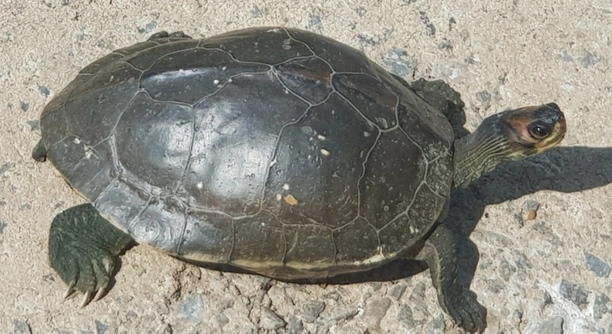
Introducing two Indian Roofed Tortoises, one male and one female, requires careful consideration to ensure a safe and smooth process. This process helps avoid potential stress and aggression, promoting a healthy environment for both tortoises.
The best way to introduce a male and female Indian Roofed Tortoise is by gradually introducing them in a neutral space, ensuring that both are calm and not territorial. Monitor their behavior closely to prevent any aggressive interactions or stress.
Properly introducing tortoises minimizes the risk of territorial conflicts. This careful process will ensure both tortoises adjust well and can coexist peacefully in their shared space.
Preparing the Enclosure for Your Tortoises
Before introducing the tortoises, it’s important to ensure their environment is suitable for both. Start by setting up a neutral, spacious area free from any dominant scents that might trigger territorial behavior. The enclosure should offer hiding spots and provide enough space for them to retreat if needed. A clean environment helps reduce the chances of stress, allowing each tortoise to feel comfortable in its surroundings.
Creating a safe environment involves making sure there are no sharp objects or hazards they could encounter. Ensure that the temperature and humidity levels are appropriate for the species, as they play a role in their overall health. Both tortoises should feel secure and not overwhelmed by excessive noise or activity.
Lastly, make sure there is plenty of room for both tortoises to roam freely. A proper introduction depends on having a comfortable and neutral space for them to explore without feeling trapped or threatened. This step sets the foundation for a successful meeting.
Gradually Introducing the Tortoises
It is essential to take things slow when introducing them. This reduces the chances of any aggressive behaviors or stress.
Start by allowing them to explore the neutral space separately. Afterward, introduce them briefly under supervision. Watch for any signs of tension or aggression. If things go well, gradually increase their time together. This will allow them to adjust without feeling overwhelmed or unsafe.
Monitoring Their Behavior
Always observe the tortoises during their initial interactions. Look for any signs of aggression, such as biting, hissing, or chasing. If these behaviors occur, separate them immediately to prevent injury or further stress. Give them time to calm down before reintroducing them.
It’s normal for tortoises to show some initial signs of dominance or curiosity. A certain level of hissing or head-bobbing may occur as they establish boundaries. Be patient and allow them to work through these interactions. If the behavior continues for too long or becomes aggressive, it may be best to separate them and try again later. A slow approach can help minimize stress.
Remember that stress can lead to health problems in tortoises. Prolonged stress from failed introductions can make them more prone to illnesses. It’s essential to monitor them closely for any signs of health issues, such as loss of appetite, lethargy, or unusual behavior.
Providing Enough Space
Adequate space is crucial for the well-being of both tortoises. Each tortoise needs room to roam and establish its territory without feeling crowded. A small enclosure can cause tension and stress, especially during the initial introduction. Give them enough space to retreat if they feel overwhelmed.
The space should also include hiding spots where they can go if they feel threatened. This allows them to maintain a sense of security while still being able to interact with each other. Additionally, providing different feeding areas will reduce competition for food and minimize territorial disputes. Space is a key factor in helping them adjust to each other.
Without enough space, the tortoises may become stressed or aggressive. A crowded enclosure can lead to fighting over territory, food, or basking spots, making it difficult for both to coexist peacefully. Ensure the enclosure is large enough to avoid these potential problems.
Feeding and Nutrition
When introducing two tortoises, it’s important to ensure each one has access to food without competition. Place food in separate areas to allow them to eat peacefully. Monitor their eating habits to ensure both are getting enough nutrition.
Tortoises can be territorial when it comes to food, and some may become aggressive if they feel their food is being threatened. Separate feeding areas help reduce this tension. Provide a variety of fresh vegetables and greens to maintain a balanced diet, and monitor both tortoises’ consumption regularly to prevent overeating or underfeeding.
Observing Health and Behavior
If one of the tortoises shows signs of stress, it’s important to address the issue early. Stress can lead to health problems, including a loss of appetite or lethargy. Keeping an eye on their behavior can help prevent further complications.
Keep the tortoises in a calm environment, free from loud noises or disturbances. Monitoring their overall health regularly can make it easier to spot any issues early on. If one tortoise begins showing signs of illness, separate them to avoid transmitting potential infections.
Ensuring a Stress-Free Environment
A stress-free environment is crucial for the tortoises’ well-being. Avoid frequent handling or disruptions during their introduction. Give them time and space to adjust to each other gradually.
It’s important to respect their need for solitude. Tortoises are often most comfortable when they have a quiet, secure space to relax. Creating a calm, undisturbed environment ensures a smoother transition for both animals.
FAQ
How do I know if my tortoises are getting along?
It’s important to watch for signs of aggression, like biting, chasing, or excessive hissing. Mild behaviors like head-bobbing or territorial movements are normal, but if either tortoise shows signs of stress, such as refusing to eat or acting lethargic, they may not be adjusting well. Keeping a close eye on their interactions for the first few days can help determine if they’re getting along.
Can I introduce my tortoises immediately or should I wait?
Introducing tortoises should be done gradually. Start with short, supervised interactions and slowly increase the time they spend together. This allows them to adjust to each other’s presence without causing stress. If any signs of aggression or discomfort appear, separate them and try again later. Patience is key.
What if my tortoises start fighting?
If fighting occurs, separate them immediately. Aggressive behavior can lead to injuries or long-term stress. After separating them, give each tortoise time to calm down. Try reintroducing them later, ensuring that both are calm and the introduction happens in a neutral area. If fighting continues, reconsider their living arrangement.
Should I be worried if my tortoises don’t seem interested in each other?
Not necessarily. Tortoises can be solitary creatures, and it’s normal for them to keep their distance. As long as they are not showing signs of aggression or stress, a lack of interest is not a problem. They may need time to adjust to each other’s presence.
How long does it take for tortoises to get used to each other?
The adjustment period can vary. Some tortoises may take a few days, while others may take several weeks. Gradual introductions and constant observation will help you gauge when they are comfortable with each other. Be patient and let them move at their own pace.
Can I leave them alone together once they seem comfortable?
Once they are comfortably sharing space without signs of aggression, you can leave them together. However, it’s still important to monitor them for the first few days to ensure the peaceful coexistence continues. You should always keep an eye out for subtle behavioral changes.
Do I need to separate the tortoises during feeding time?
Yes, it’s best to separate them during feeding, especially if you are concerned about competition or aggression. By providing separate feeding areas, you reduce the risk of territorial behavior and ensure each tortoise is getting the appropriate amount of food without stress.
What should I do if one of the tortoises is showing signs of stress?
If a tortoise is stressed, separate it from the other and give it some time alone to calm down. Stress can lead to health problems, including loss of appetite or lethargy. Monitor the stressed tortoise for any signs of illness and consult a vet if the symptoms persist.
What temperature should the enclosure be for both tortoises?
Tortoises need a temperature range between 75°F and 85°F (24°C to 29°C) during the day, with a basking area reaching 90°F (32°C). At night, the temperature can drop to around 70°F (21°C). Maintaining the proper temperature ensures both tortoises remain active and healthy.
Can tortoises share a basking spot?
Yes, tortoises can share a basking spot as long as there’s enough room for both to bask comfortably. If they feel crowded or threatened, one may push the other away. Having multiple basking spots can reduce competition and allow them to maintain a sense of security.
Should I add substrates to their enclosure during the introduction phase?
Adding substrates, like soil, sand, or coconut fiber, can make the enclosure more natural and comfortable. However, it’s important that these materials are not too deep during the introduction phase. Keeping the area clean and easy to monitor helps prevent any issues with aggression or stress.
What if my tortoises are not mating?
It’s possible that your tortoises simply aren’t ready to mate, or they may not be compatible. Mating behaviors often begin when both tortoises are mature and comfortable with each other. If there’s no aggression and the tortoises seem to be getting along, patience is key. If you continue to have concerns, consult a vet or reptile specialist.
Can I use a larger enclosure for both tortoises?
A larger enclosure can provide more room for both tortoises to establish their space. However, it’s important that the enclosure is designed in a way that allows for separation if needed. Both tortoises should have access to their own basking spots and hiding areas to avoid territorial issues.
How often should I clean the enclosure?
The enclosure should be cleaned regularly, at least once a week, to maintain a healthy environment for the tortoises. Remove any uneaten food, waste, or soiled bedding. A clean environment reduces the risk of bacteria build-up and ensures both tortoises stay healthy. If one tortoise shows signs of illness, clean the enclosure more frequently.
What if one tortoise becomes more dominant?
It’s not uncommon for one tortoise to assert dominance over the other. If the dominant behavior leads to aggression, consider separating the tortoises and trying the introduction again later. If one tortoise is consistently bullied or stressed, it may be necessary to house them separately.
Final Thoughts
Introducing a male and female Indian Roofed Tortoise can be a rewarding experience when done carefully. It’s important to create a safe and comfortable environment for both tortoises to reduce stress and encourage healthy interaction. Patience is key during the introduction phase, as each tortoise will adjust at their own pace. With proper care, you can ensure a smooth transition and provide a space where both tortoises can thrive together.
Keeping a close eye on their behavior is essential. While mild territorial behavior or mild aggression is typical, you should separate them if there are signs of serious conflict or stress. It’s also crucial to make sure both tortoises have their own access to food, water, and basking spots to reduce the chance of competition. Regularly monitor their health to ensure they’re eating well and showing no signs of illness. Healthy tortoises are more likely to adjust to one another without stress.
In conclusion, a successful introduction depends on providing a calm, secure space for both tortoises. By respecting their needs and adjusting your approach if necessary, you can help them coexist peacefully. If problems persist, don’t hesitate to consult a veterinarian or a reptile expert for further guidance. Every tortoise is unique, and some may take longer than others to form a bond. With time and care, they can become comfortable with each other and lead happy, healthy lives together.

Hello,
If you enjoy the content that we create, please consider saying a "Thank You!" by leaving a tip.
Every little bit helps us continue crafting quality advice that supports the health, happiness, and well-being of pets around the world, for pets of all shapes, sizes, and species.
We really appreciate the kindness and support that you show us!