
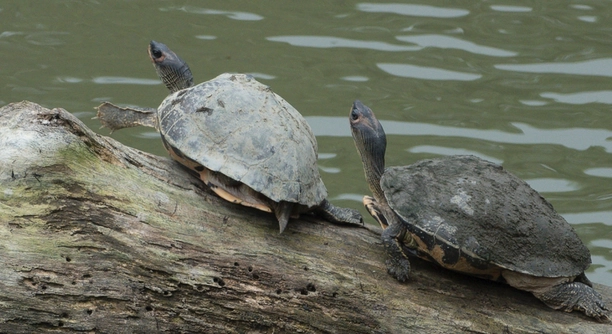
Is your Indian roofed tortoise showing signs of aggression, making handling difficult? Understanding the reasons behind this behavior is essential for maintaining a safe and stress-free environment for both you and your tortoise.
Aggression in Indian roofed tortoises is often triggered by territorial behavior, stress, or improper handling. Providing a suitable enclosure, minimizing stressors, and handling them gently can help reduce aggression. Identifying and correcting common mistakes will ensure a more peaceful interaction.
Creating a comfortable environment and using proper techniques can make handling easier. Recognizing key mistakes will help you avoid escalating aggression and promote a more positive relationship with your tortoise.
Understanding Aggressive Behavior in Indian Roofed Tortoises
Aggression in Indian roofed tortoises can stem from stress, territorial instincts, or improper handling. They may bite, lunge, or retreat aggressively when they feel threatened. Factors such as a small enclosure, lack of hiding spots, or excessive human interaction can contribute to this behavior. Ensuring a proper habitat and handling them with care can make a significant difference. Tortoises require a calm and controlled environment to feel secure. When they sense instability, they may respond defensively. Observing their behavior closely and recognizing signs of distress will help you manage their aggression effectively.
Some tortoises become defensive when they feel cornered or overstimulated. If they show signs of aggression, avoid sudden movements and give them space. Over time, with gentle interaction and a consistent routine, they can become more comfortable with handling.
Providing a well-structured habitat with appropriate lighting, temperature, and hiding spots can significantly reduce aggression. A stressed tortoise may lash out due to discomfort, so maintaining an optimal living environment is key. When introducing handling, start with short, gentle interactions. Let them get used to your presence before attempting to pick them up. Building trust takes time, but patience and proper care will help create a more relaxed and manageable tortoise.
7 Mistakes to Avoid When Handling Your Tortoise
Handling a tortoise incorrectly can increase stress and aggression. Avoiding common mistakes will ensure a safer and more comfortable experience for both you and your tortoise. Small adjustments in your approach can make a noticeable difference in their behavior.
1. Grabbing from Above
Tortoises have a natural fear of being lifted from above, as this mimics a predator’s attack. Instead of reaching down abruptly, gently scoop them up from the sides. This prevents unnecessary stress and helps them feel more secure in your hands.
2. Overhandling
Too much handling can overwhelm a tortoise, making them defensive. Limit interaction to short sessions, allowing them to adjust gradually. If they start retracting into their shell or displaying signs of distress, give them time to relax before trying again.
3. Ignoring Body Language
Recognizing warning signs such as hissing, biting attempts, or excessive retreating is important. If your tortoise shows discomfort, adjust your approach. Forcing interaction when they are stressed can increase their defensive behavior over time.
4. Handling When They Are Eating
Disturbing a tortoise during feeding can make them associate human interaction with stress. Allow them to eat peacefully, and only handle them when they are relaxed and responsive. This prevents unnecessary tension and negative associations.
5. Inconsistent Routine
Tortoises thrive on consistency. Sudden changes in handling methods or feeding schedules can make them uneasy. Keeping a stable routine helps them feel more secure, reducing stress-related aggression.
6. Poor Habitat Conditions
An unsuitable habitat can contribute to aggression. Ensure the enclosure has proper heat, humidity, and hiding spots to create a stress-free environment. A well-maintained habitat promotes calm behavior and overall well-being.
7. Loud Noises and Sudden Movements
Tortoises are sensitive to their surroundings. Loud sounds or abrupt gestures can startle them, triggering defensive reactions. Handle them in a quiet, calm setting to prevent unnecessary stress and fear-based aggression.
How to Create a Calm Environment
Tortoises are sensitive to their surroundings. A calm, well-structured habitat is essential for reducing aggression. By providing a space that feels secure, you can help your tortoise relax and avoid defensive behavior.
A spacious enclosure is vital for reducing territorial aggression. Include hiding spots, water sources, and proper heat sources. Temperature control is crucial, as too much heat or cold can stress the tortoise. Adding soft bedding or non-abrasive surfaces also provides a comfortable area for rest. Avoid overcrowding and provide ample space for movement.
Lighting is another key factor. Tortoises need UVB light for proper shell growth and overall health. Ensure they have access to a basking spot, as well as areas to cool down. A balanced environment will help your tortoise feel more secure and less likely to exhibit aggressive behavior.
The Importance of Proper Handling
Handling your tortoise correctly can prevent unnecessary stress. Approach your tortoise gently, avoiding sudden movements. Gradual handling will help build trust and reduce their fear.
Start by allowing your tortoise to get used to your presence before attempting to pick them up. When they are comfortable with you nearby, slowly progress to light handling. Always support their body properly to avoid causing them discomfort or stress. Never pick them up by their limbs or tail, as this can cause injury. Regular, gentle interaction will help your tortoise become more relaxed with handling over time.
Use positive reinforcement to reward calm behavior during handling sessions. Over time, this will encourage your tortoise to view you as a safe presence rather than a threat. Patience is key, as building trust and comfort takes time.
Why Territory Matters
Indian roofed tortoises are territorial by nature. They feel more secure when they have their own space to explore and hide.
Without enough room, they can become agitated, defensive, and aggressive. Providing a large enough enclosure with varied elements, like rocks and plants, will help reduce territorial stress. The more control they feel over their environment, the less likely they are to act out.
Feeding Habits and Aggression
Food time can be a trigger for aggression if not handled properly. Ensure your tortoise has enough time and space to eat without feeling threatened.
Avoid hand-feeding or placing food directly in front of them if they are not comfortable with close interactions. Let them approach their food at their own pace to prevent frustration or aggression. Consistency in feeding times and methods will also help them feel secure.
The Role of Socialization
Tortoises can be social but often prefer solitude or limited interaction. Introducing other tortoises into their space should be done gradually to avoid territorial disputes.
When socializing, ensure that the tortoises have enough space and hideaways to retreat if needed. Gradual exposure will help them get used to one another without causing undue stress. Socializing should always be monitored to prevent aggressive behavior from escalating.
FAQ
What causes aggression in Indian roofed tortoises?
Aggression can be caused by stress, territorial instincts, or improper handling. When they feel threatened or cornered, they may react defensively. Environmental factors like cramped enclosures, inadequate temperature, and lack of hiding spots can also trigger aggression. Providing a comfortable, secure environment and proper handling can minimize these behaviors.
How can I tell if my tortoise is stressed?
Signs of stress include aggressive behavior such as biting, hissing, or retreating into their shell. They may also refuse to eat or seem more active than usual. A stressed tortoise may constantly pace or act defensively when you approach. Monitoring their behavior regularly and ensuring their habitat is suitable can help you address stress quickly.
Can I handle my tortoise if it’s showing aggression?
It’s best to avoid handling an aggressive tortoise until it has calmed down. If you attempt to handle them while they are stressed, it may worsen their aggression and cause harm. Instead, observe them from a distance and give them time to relax. Gradual handling will help reduce their fear over time.
How often should I handle my tortoise?
Handling should be kept to a minimum, especially when your tortoise is still adjusting to you. Start with short, gentle interactions and gradually increase the length as they become more comfortable. It’s crucial to avoid overhandling, as this can cause stress. Aim for regular but brief handling sessions to build trust without overwhelming them.
Is it okay to keep multiple tortoises together?
Keeping multiple tortoises together can be tricky. They are territorial creatures and may become aggressive towards one another if they feel crowded. If you decide to keep more than one, ensure each tortoise has enough space and places to hide. Monitor their interactions closely to prevent any aggression from escalating.
How do I prevent aggression when feeding my tortoise?
Avoid disturbing your tortoise while it’s eating. Allow it to enjoy its meal without interruption, as food can be a stressor. If your tortoise shows aggression during feeding, give them space and consider providing food in separate areas if you have multiple tortoises.
Should I provide a mate for my tortoise to reduce aggression?
Providing a mate may not always reduce aggression. In fact, it could increase territorial behavior and aggression, especially if they feel threatened by the other tortoise. If you want to introduce a mate, do so carefully and ensure they have ample space to avoid disputes.
What are the best ways to calm an aggressive tortoise?
To calm an aggressive tortoise, create a stress-free environment with plenty of space, hiding spots, and proper heating. When handling, move slowly and gently, never grabbing from above. Allow the tortoise to approach you at its own pace. Avoid loud noises or sudden movements, as these can increase stress.
How do I set up an enclosure to reduce aggression?
A spacious, well-maintained enclosure with adequate lighting, temperature, and hiding spots is key. Ensure the enclosure has a warm basking area and cooler zones for your tortoise to regulate its body temperature. Avoid overcrowding and provide ample space for your tortoise to roam freely. This setup will reduce territorial stress and aggression.
What should I do if my tortoise becomes aggressive towards me?
If your tortoise becomes aggressive, stop handling immediately and give it space. Avoid forcing interaction, as this can heighten its defensive behavior. Let the tortoise retreat into its shell or hide if it chooses. Gradually reintroduce handling in short, calm sessions once it has relaxed.
Final Thoughts
Handling an aggressive Indian roofed tortoise requires patience and a thoughtful approach. These tortoises, like many reptiles, respond to their environment and interactions based on their natural instincts. Aggression is often a sign of stress, discomfort, or insecurity in their surroundings. Creating a calm, comfortable, and secure habitat is the first step in reducing this behavior. A spacious enclosure with proper lighting, temperature control, and hiding spots will go a long way in providing the tortoise with a sense of safety. When stressors are minimized, aggression tends to decrease, and the tortoise may become more relaxed and manageable.
Another key aspect to consider is how you interact with your tortoise. Sudden movements, loud noises, or improper handling can escalate aggression. Approach your tortoise calmly and always ensure you support its body correctly when picking it up. Building trust over time is crucial. This process may take a while, so be patient and avoid forcing interactions. Regular but brief handling sessions, coupled with positive reinforcement, can help your tortoise become more comfortable with you. Remember, each tortoise is unique, and their comfort level may differ. Pay attention to their individual behavior and adjust your handling style as needed.
Lastly, understanding that aggression in tortoises is often a sign of underlying stress or discomfort can help guide your actions. Whether it’s related to territorial instincts, feeding time, or social interactions, addressing the root cause is essential. Giving your tortoise enough space, ensuring they are fed properly, and allowing them to have quiet moments can make a significant difference in their behavior. Over time, with the right care and handling, your tortoise can become more peaceful and content, reducing the chances of aggression. By being attentive to their needs and creating a stable, secure environment, you can foster a better relationship with your tortoise.

Hello,
If you enjoy the content that we create, please consider saying a "Thank You!" by leaving a tip.
Every little bit helps us continue crafting quality advice that supports the health, happiness, and well-being of pets around the world, for pets of all shapes, sizes, and species.
We really appreciate the kindness and support that you show us!