
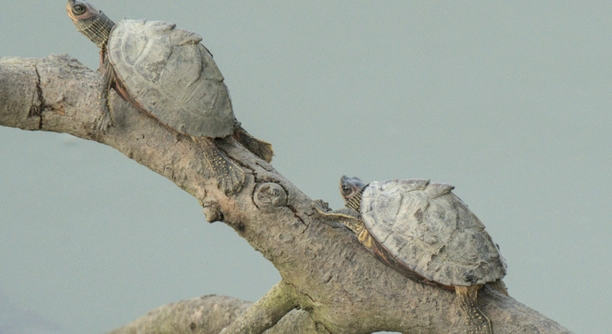
Keeping your Indian roofed tortoise’s tank smelling fresh can be a bit of a challenge, especially when it comes to maintaining a clean, healthy environment for your pet. A little extra care can go a long way in this process.
To keep your Indian roofed tortoise’s tank smelling fresh, focus on maintaining proper filtration, removing waste regularly, controlling humidity, and ensuring a balanced diet. Frequent spot cleaning and the use of odor-neutralizing products also help reduce unpleasant smells.
By following these tips, your tortoise’s home will remain fresh and inviting. Keep reading for more on how to maintain a pleasant environment for your pet.
Proper Filtration for a Fresh Tank
Maintaining proper filtration is one of the most effective ways to keep your tortoise’s tank smelling fresh. A good filter helps remove waste, excess food, and debris that can cause odors. It is important to choose a filter that suits the size of the tank and the needs of your tortoise. Regularly check and clean the filter to ensure it is functioning properly. If the filter is clogged, it may not work as efficiently, and the smell can quickly become overwhelming. Additionally, consider the type of filtration system that best suits your tortoise’s environment, whether it’s mechanical, biological, or chemical filtration. Each type works in different ways to keep the water clean and minimize odors.
A well-maintained filter is a key component of odor control. Regular cleaning and filter replacement will keep the tank smelling fresh.
Consider placing the tank in a well-ventilated area to help prevent stagnant air. Combined with good filtration, this will help reduce unwanted smells and ensure a cleaner environment.
Spot Cleaning
Spot cleaning your tortoise’s tank regularly is essential for reducing odors. This means removing waste and uneaten food as soon as you notice it. Tortoises can sometimes be messy, and waste buildup can cause bad smells if not addressed promptly. Spot cleaning involves checking the substrate, water, and other surfaces for any waste. The more often you do this, the easier it will be to maintain a fresh-smelling tank.
Regular spot cleaning helps avoid excess waste that leads to odors.
By cleaning small areas frequently, you prevent larger problems from developing. You will also notice any potential issues with water quality or health concerns early on. Spot cleaning is quick and ensures that your tortoise has a cleaner, healthier environment.
Humidity Control
Maintaining proper humidity levels is crucial for keeping your tortoise’s tank fresh. Too much moisture can create a breeding ground for bacteria and mold, leading to unpleasant odors. Use a hygrometer to monitor the humidity and adjust accordingly.
Ensure the tank has proper ventilation, as this helps maintain an ideal humidity level. A slightly damp environment is acceptable, but it shouldn’t be too wet. Adding a small dehumidifier or using ventilation fans can help regulate moisture. You can also use absorbent materials like coconut fiber or sphagnum moss to help control humidity.
Monitor humidity carefully to prevent stagnant, smelly conditions. It’s important to maintain the right balance between moisture and airflow to avoid excess moisture build-up. If humidity levels become too high, mold and bacteria can quickly develop.
Balanced Diet
Feeding your tortoise a balanced diet is essential for a fresh-smelling tank. The food you provide affects waste quality and odor. Offer fresh vegetables, some fruit, and high-quality commercial food to ensure proper digestion.
Overfeeding can lead to excess waste, which contributes to unpleasant odors. Avoid leaving uneaten food in the tank, as it will decay quickly and create a foul smell. Remove any leftovers after feeding.
A healthy diet will help your tortoise stay in good condition while keeping the tank cleaner and fresher. Proper waste management is key to controlling smell.
Substrate Selection
Choosing the right substrate is vital for a clean, odor-free tank. Some substrates are better at absorbing waste and moisture than others. Options like coconut coir or aspen shavings are good choices.
These substrates help control moisture and reduce odor buildup. They also provide a comfortable environment for your tortoise. Choose substrates that are easy to clean and replace regularly. The cleaner the substrate, the fresher the tank will smell.
Make sure to remove waste from the substrate daily to avoid bad smells.
FAQ
How often should I clean my tortoise’s tank to keep it smelling fresh?
You should clean your tortoise’s tank thoroughly at least once a week. However, spot cleaning should be done daily to remove waste and uneaten food. By maintaining this routine, you will prevent the buildup of smells and keep the environment clean. Keep an eye on the water, substrate, and any other areas where waste may accumulate.
Can I use air fresheners to mask odors in my tortoise’s tank?
It is not recommended to use traditional air fresheners or strong-scented products. These can introduce harmful chemicals into the tank, affecting your tortoise’s health. Instead, focus on proper cleaning and filtration. If needed, natural air purifiers like activated charcoal or bamboo charcoal bags can be used to absorb odors without harming your pet.
Is it necessary to use a filter in my tortoise’s tank?
While not absolutely necessary, a filter is highly recommended for keeping the water clean and odor-free. A good filter will help reduce waste buildup and maintain water quality, which will keep the overall tank environment fresher for longer. Make sure to choose the right size filter for your tank and clean it regularly.
What type of food can cause bad odors in my tortoise’s tank?
Certain foods, especially those that are high in moisture like fruits and vegetables, can cause faster decay and unpleasant smells if left uneaten. Overfeeding is another common issue. Avoid feeding excessive amounts of moist foods, and always remove any leftover food to prevent it from decomposing and causing odors.
How do I maintain proper humidity levels in my tortoise’s tank?
To maintain ideal humidity, use a hygrometer to monitor the levels regularly. Mist the tank as needed to maintain a slightly humid environment, but avoid making it too wet. Ensure the tank is well-ventilated, and consider using a small dehumidifier if necessary to control excess moisture and avoid mold growth.
What type of substrate is best for odor control in my tortoise’s tank?
Coconut coir, aspen shavings, and other absorbent substrates work well for controlling odors. They help absorb moisture and waste, reducing the chances of unpleasant smells. Choose a substrate that’s easy to clean, replace it regularly, and ensure your tortoise can comfortably move around in it.
Can I use a dehumidifier in my tortoise’s tank?
Yes, a dehumidifier can be helpful in controlling excess moisture, especially in tanks with high humidity. However, make sure the humidity levels stay within a healthy range for your tortoise. Too much dryness can be just as harmful as too much moisture, so monitor the humidity carefully.
What should I do if my tortoise’s tank starts to smell despite regular cleaning?
If you notice persistent odors, check for any sources of mold, leftover food, or waste that may be hidden. Make sure the tank is properly ventilated and that the filter is functioning correctly. Consider replacing the substrate if it has become too saturated or dirty. Regularly cleaning the tank and spot cleaning will prevent odor buildup.
Is it okay to use sand as substrate for my tortoise’s tank?
While sand can be used, it’s not ideal for odor control. Sand tends to compact and can make cleaning difficult. It doesn’t absorb moisture well, which can lead to odor problems. If you choose to use sand, ensure that it’s kept clean and replace it regularly.
How can I prevent my tortoise’s water from getting dirty quickly?
To keep the water clean, change it daily, and ensure the tank has a proper filtration system. Remove any waste or debris immediately. Avoid overfeeding your tortoise, as uneaten food can contaminate the water quickly. A clean water bowl or shallow dish will help maintain a fresher environment for your tortoise.
Are there any natural odor-neutralizing methods I can use for my tortoise’s tank?
Natural methods like placing activated charcoal bags or baking soda in the tank can help absorb odors. Avoid using strong-smelling products or chemicals. You can also add a layer of dry, absorbent substrate that helps prevent moisture buildup and reduces odors. Fresh, clean air circulation also plays a key role.
How can I tell if my tortoise is unhappy due to the tank’s smell?
If your tortoise is spending more time away from certain areas of the tank or seems lethargic, it could be due to poor air quality or unpleasant smells. Ensure that the tank is clean, properly ventilated, and that your tortoise has access to fresh water and food. If problems persist, consult with a veterinarian.
What type of tank setup is best for minimizing odor?
A tank setup with proper filtration, good ventilation, and the right substrate will help minimize odor. Make sure to provide enough space for your tortoise to move around comfortably. Regular cleaning, spot cleaning, and maintaining humidity and temperature levels within the ideal range are all crucial for a fresh-smelling environment.
Final Thoughts
Maintaining a fresh-smelling tank for your Indian Roofed Tortoise involves consistent care and attention to detail. By ensuring proper humidity levels, choosing the right substrate, and feeding a balanced diet, you can greatly reduce the chances of unpleasant odors. Regular cleaning and spot cleaning are essential for keeping waste under control and preventing the buildup of bacteria or mold. The more effort you put into creating a healthy environment for your tortoise, the easier it will be to manage smells.
Humidity and moisture control play a significant role in keeping your tortoise’s tank odor-free. Excess moisture can lead to mold growth, which can cause unpleasant smells and harm your tortoise’s health. Using a hygrometer to monitor humidity levels and adjusting as necessary can help maintain a comfortable and fresh environment. It’s also important to ensure the tank is well-ventilated, as this can prevent moisture from becoming trapped and causing issues. Proper humidity management is one of the most effective ways to reduce odors and maintain a healthy tank.
Choosing the right substrate is another key factor in preventing bad smells. Substrates like coconut coir, aspen shavings, or other absorbent materials help keep moisture and waste in check. These materials not only reduce odors but also provide a comfortable surface for your tortoise. It’s important to clean the tank regularly and replace the substrate when it becomes too soiled or damp. By following these simple guidelines, you can ensure your Indian Roofed Tortoise’s tank remains clean, fresh, and inviting for both your tortoise and yourself.

Hello,
If you enjoy the content that we create, please consider saying a "Thank You!" by leaving a tip.
Every little bit helps us continue crafting quality advice that supports the health, happiness, and well-being of pets around the world, for pets of all shapes, sizes, and species.
We really appreciate the kindness and support that you show us!