
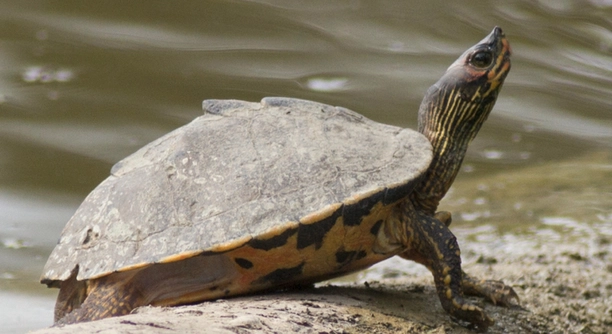
Introducing new reptiles to your tank can be an exciting but challenging experience. Specifically, when considering how to safely introduce an Indian Roofed Tortoise to other reptiles, it requires careful planning and patience to ensure their well-being.
The process of introducing an Indian Roofed Tortoise to other reptiles should be done gradually. Start by observing their interactions in a neutral space and ensure both species’ needs are met, providing separate spaces to reduce stress and potential aggression.
Taking the time to properly introduce your tortoise to new reptile companions will help you create a peaceful and healthy environment for all. By understanding the best practices, you can avoid potential conflicts.
Preparing the Environment
When introducing Indian Roofed Tortoises to other reptiles, the first step is preparing the environment. Each reptile needs enough space to roam without feeling threatened. Creating separate zones within the tank for each animal is vital. These zones should have everything the reptiles need, including hiding spots, basking areas, and places to hide from each other. The tank should also be equipped with proper lighting, heating, and humidity levels, all suited to the species. Ensure that the tank is large enough to prevent territorial disputes and overcrowding. An environment with clear boundaries can significantly reduce stress levels for all reptiles involved. This setup creates a calm and safe atmosphere, which is essential for a successful introduction.
Providing enough space is crucial to a successful introduction. If your tortoise feels cramped or threatened, it may exhibit defensive behavior. To avoid these issues, ensure there is enough space for the animals to coexist peacefully. Proper lighting and temperature also play a significant role in their comfort.
Once the space is set up, consider adding accessories like rocks or logs. These objects can act as physical barriers, helping to separate the animals and giving them space to explore. By creating an enriched environment with both open and secluded areas, you promote comfort and reduce the chances of aggression. The key is offering variety and choice while keeping the animals’ needs in mind.
Introducing the Reptiles
The next step in the process is to carefully introduce the tortoise to other reptiles. Begin by observing the new animals separately. Allow each reptile to acclimate to its environment before introducing them to each other. Slowly introduce the tortoise to its new companions by allowing them to see each other from a distance. Monitor their behavior closely for signs of aggression or stress. If any signs of hostility arise, it’s best to separate them and try again later. Always prioritize the animals’ safety and comfort when making these introductions.
The goal is to build familiarity between the species. Take your time with this step. It’s important to be patient and observe closely, as rushing the introduction can lead to negative experiences. If necessary, use a barrier to separate them temporarily while they adjust.
The process can take several days or weeks. Every reptile has different tolerances for socialization, so it’s important to stay flexible. Forcing the interaction too soon can lead to stress and injury. Over time, if the reptiles begin to show signs of comfort, you can allow them to share the same space for short periods. If everything goes well, gradually increase the time they spend together until they are fully accustomed to one another’s presence. This methodical approach reduces risks and fosters a more peaceful coexistence.
Monitoring Behavior Closely
After the introduction, it’s essential to monitor their behavior closely. Observe how the tortoise and the other reptiles interact over time. Look for signs of stress such as hiding, lack of movement, or defensive postures. If aggression arises, separate the animals immediately to avoid injury. Continuous monitoring will allow you to detect issues early and take necessary action to address them.
If both animals appear calm and relaxed, consider allowing them to interact under supervision for short periods. During these times, make sure there are enough hiding spots and resources to prevent competition. If the animals do not show signs of stress, you can gradually increase their time together. This gradual process will help them form a positive association with each other’s presence.
Being consistent with monitoring will help you identify any potential issues before they escalate. Pay attention to small details, like eating habits and activity levels. Reptiles can be good at hiding discomfort, so close observation is key to ensuring their well-being.
Adjusting the Environment if Needed
If you notice that one of the reptiles is stressed or acting aggressively, it may be time to adjust the environment. Make sure that each reptile has access to enough food and water. Sometimes, one reptile might dominate resources, leading to tension. In these cases, provide additional feeding stations and water dishes to reduce competition. Changing the environment may involve rearranging objects in the tank to provide new hiding spots or increase space. It’s essential that each animal feels secure in its territory.
Rearranging the environment can also help with territorial behavior. By offering fresh spaces and hiding places, the reptiles can feel more in control of their environment. These small changes allow for a smoother transition and can help both reptiles adjust to each other more easily. Additionally, providing visual barriers or obstacles like rocks can help the animals feel less threatened. If you see that one of the reptiles is still exhibiting signs of distress, consider giving it more time before trying another interaction.
With the right changes, you can create a balanced and safe environment that encourages positive social interactions.
Recognizing Signs of Stress
It’s important to recognize when a reptile is stressed. Common signs include lethargy, loss of appetite, or excessive hiding. If these behaviors persist, it may be a sign that the introduction is not going smoothly. Addressing these issues early can help prevent long-term stress.
If you observe these signs, separate the reptiles and give them some time apart. Stress can weaken the immune system, so it’s essential to address it promptly. After a break, you can try reintroducing them with more space or changes to the environment to ease the tension.
Ensuring Proper Diet for All Reptiles
Each reptile species has unique dietary requirements. While introducing your Indian Roofed Tortoise to other reptiles, ensure that each one receives the right food. Some reptiles may be herbivores, while others are carnivores, so their diets must be kept separate to avoid competition. Providing the proper food will also reduce aggression linked to food scarcity.
Make sure food is available in multiple areas to prevent one reptile from dominating the food source. Having designated feeding stations will allow each reptile to eat without stress. Consistent feeding habits can contribute to a more peaceful environment.
Adjusting Lighting and Temperature
Lighting and temperature are key to a reptile’s well-being. When housing multiple species, it’s essential to adjust the tank’s lighting and temperature to meet each reptile’s needs. Too much heat can cause stress, while too little can lead to health problems. Ensure that the conditions cater to each reptile’s natural habitat.
Creating separate basking zones with appropriate lighting for each species will allow them to regulate their body temperature. Be mindful that some reptiles require more UVB exposure, while others may thrive in lower light settings. Adjusting the environment as needed is crucial for their comfort and health.
FAQ
How long should I wait before introducing my tortoise to other reptiles?
It’s best to wait until your Indian Roofed Tortoise has settled into its new environment before introducing it to other reptiles. Typically, allowing a few weeks for the tortoise to acclimate will help ensure it’s comfortable and healthy. Rushing the process can lead to stress for both the tortoise and other reptiles. When you feel confident that the tortoise is settled, begin by slowly introducing it to one reptile at a time. Monitor their behavior closely during these first interactions.
Can I house an Indian Roofed Tortoise with any reptile species?
Not all reptiles are compatible with one another, especially in a shared enclosure. Indian Roofed Tortoises tend to do better with species that are calm and not overly aggressive. Avoid introducing them to species that are territorial or highly competitive. It’s also important to consider each species’ habitat needs, such as temperature, humidity, and diet, to ensure they’re a good match. Always research compatibility before deciding which reptiles can share a space.
What should I do if my tortoise is being bullied by another reptile?
If bullying occurs, separate the tortoise from the other reptile immediately to prevent injury or excessive stress. Bullying can lead to long-term trauma and health problems, so it’s essential to address the issue as soon as possible. Afterward, reassess the environment and make adjustments to the tank, such as increasing hiding spots or food stations. If the bullying persists, consider rehoming one of the reptiles or providing a separate space for each species.
How can I tell if the reptiles are getting along?
Signs that reptiles are getting along include relaxed body language, shared space without signs of aggression, and mutual exploration. Keep an eye on their behaviors. If you see one reptile constantly chasing, biting, or blocking the other from access to food or water, it may be a sign of conflict. Healthy reptile interactions usually involve a balance of space, food access, and time in shared areas. If the behavior seems aggressive, separate them and try again later.
What is the best way to introduce new reptiles to my tortoise?
Introducing new reptiles should be done gradually. Start by placing them in separate, adjacent enclosures where they can see and smell each other but have no direct contact. Over time, let them interact through a barrier, allowing them to adjust to each other’s presence. After this period, consider brief, supervised interactions, increasing the duration as long as both reptiles show no signs of aggression. Be patient and take things slow to ensure a positive outcome.
Can I place multiple tortoises together with other reptiles?
Multiple tortoises can sometimes be housed with other reptiles if the environment is large enough and designed with each species’ needs in mind. However, having more than one tortoise increases the chances of territorial disputes. It’s essential to provide sufficient space, separate food and water stations, and hiding spots. If you’re introducing multiple tortoises, make sure they are of similar size and temperament. Monitor them closely for any signs of aggression.
Do Indian Roofed Tortoises need their own space from other reptiles?
Indian Roofed Tortoises benefit from having their own space, especially when first introduced to other reptiles. Providing a separate area within the enclosure for the tortoise to retreat to can help reduce stress and prevent territorial behavior. However, some species may coexist peacefully when enough space, resources, and hiding spots are available. It’s crucial to maintain a balance between shared and private spaces for the reptiles to feel safe and secure.
How often should I check on the reptiles after introducing them?
After the introduction, check on your reptiles daily, especially during the first few weeks. Monitor their eating habits, movement, and interactions to ensure they are adjusting well. Look for signs of stress, such as hiding for long periods, lack of appetite, or unusual behaviors like biting or chasing. If you notice anything concerning, take action immediately by separating them or adjusting the environment. Regular observation during this time will help you catch any issues early.
Can I leave them together unsupervised after a while?
It’s never recommended to leave reptiles unsupervised for extended periods, especially when they are newly introduced. Even after successful initial interactions, tensions can arise unexpectedly. Until you are confident that they are fully accustomed to each other’s presence and have a healthy relationship, always supervise their interactions. Regular checks will help ensure that everything is going smoothly and prevent any potential conflicts.
How can I reduce stress during the introduction process?
To reduce stress, provide ample space for each reptile. Make sure the tank has multiple basking areas, hiding spots, and food stations so that no reptile feels forced to compete for resources. Ensure that the environment is stable in terms of temperature, lighting, and humidity, as these factors can also cause stress. Taking things slow and allowing reptiles to acclimate at their own pace can help them feel less anxious about the introduction process.
Final Thoughts
Introducing an Indian Roofed Tortoise to other reptiles requires careful planning and consideration. Understanding the unique needs of each species is crucial to a successful introduction. It’s important to assess the temperament of both the tortoise and the other reptiles to ensure compatibility. This can take time, as some reptiles may be more territorial or aggressive than others. Gradually introducing the reptiles, allowing them to adjust to each other’s presence, will reduce the likelihood of stress and conflict. A slow and controlled approach is the best way to ensure a smooth transition and avoid any potential issues.
The environment also plays a significant role in how well reptiles can coexist. A spacious tank with enough hiding spots, basking areas, and food stations is essential. Each reptile should have its own space to retreat when needed, which helps reduce territorial disputes and stress. Temperature, lighting, and humidity must be carefully adjusted to meet the specific needs of all species involved. When these factors are in place, the reptiles will have a better chance of adapting to their shared environment. Make sure to monitor their behavior regularly and be prepared to separate them if any signs of aggression or stress appear.
Patience is key throughout the process. Every reptile is unique, and their reactions to one another can vary. While some reptiles may become fast companions, others may need more time or may not ever get along. If the introduction proves unsuccessful, it’s important to reassess and provide each reptile with its own space. The goal should always be to create a safe, comfortable environment where all reptiles can thrive. By understanding the needs of each species and taking the time to properly introduce them, you increase the chances of a peaceful and successful cohabitation.

Hello,
If you enjoy the content that we create, please consider saying a "Thank You!" by leaving a tip.
Every little bit helps us continue crafting quality advice that supports the health, happiness, and well-being of pets around the world, for pets of all shapes, sizes, and species.
We really appreciate the kindness and support that you show us!