
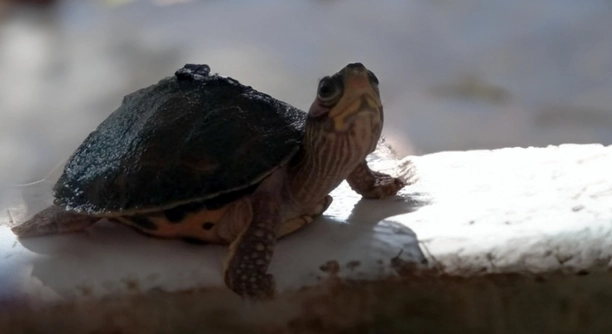
An Indian Roofed Tortoise’s shell is an important aspect of its overall health and well-being. It provides protection and plays a key role in their appearance. Sometimes, the shell can lose its natural shine.
The dullness of your tortoise’s shell can be caused by various factors such as dehydration, improper diet, or insufficient UVB exposure. Poor environmental conditions can also lead to a lack of shine on their shell.
By addressing these issues, you can restore the natural glow of your tortoise’s shell and improve its overall health.
Dehydration: A Major Factor in a Dull Shell
Dehydration is one of the primary reasons why your Indian Roofed Tortoise’s shell may appear dull. If a tortoise doesn’t get enough water, its shell can lose its natural shine, becoming dry and brittle. Dehydration often happens when a tortoise doesn’t have access to clean water, or its diet lacks moisture. It is important to ensure your tortoise has fresh water available at all times. Additionally, feeding them hydrating foods like leafy greens can help boost their moisture levels.
It’s also important to ensure your tortoise stays hydrated during the warmer months. Increased temperatures can make dehydration more likely, especially if your tortoise spends time basking or in a dry environment.
Make sure to observe how much your tortoise is drinking and whether it seems less active or has dry skin. These signs are key indicators that hydration could be a concern. Keeping your tortoise hydrated will improve the appearance of its shell and overall health.
UVB Exposure and Shell Health
A lack of proper UVB exposure can negatively affect the shine of your tortoise’s shell. Without UVB light, your tortoise’s body cannot produce the necessary vitamin D3 for calcium absorption, which is vital for a healthy shell.
When your tortoise doesn’t get enough UVB, its shell can become dull and less resilient. It is essential to provide a proper lighting setup, especially if the tortoise lives indoors. Ideally, UVB bulbs should be replaced every six months as their effectiveness decreases over time.
A basking area under UVB light allows your tortoise to soak in the necessary rays, maintaining its shell health. If your tortoise doesn’t have access to natural sunlight, it’s essential to provide a proper UVB lamp that replicates the sun’s rays. This will help keep its shell glossy and healthy.
Improper Diet and Shell Dullness
An improper diet can directly impact the appearance of your tortoise’s shell. Without the right nutrients, the shell may lose its healthy shine and even become weaker over time. Tortoises require a balanced diet that includes fiber, calcium, and essential vitamins.
The lack of calcium, in particular, is a significant issue. Calcium is critical for a tortoise’s shell development, and without it, the shell may appear dull or soft. Offering calcium-rich foods like dark leafy greens or calcium supplements can help restore some shine.
It’s also crucial to ensure the tortoise gets the right balance of nutrients. Too many fruits, for example, can cause an imbalance, while leafy greens and flowers provide the nutrients needed for a healthy, vibrant shell.
Environmental Factors That Affect the Shell
The environment where your tortoise lives plays a significant role in the condition of its shell. Factors like humidity, temperature, and habitat cleanliness can all contribute to a dull shell.
Humidity is essential for tortoises, as dry conditions can lead to shell dryness and a lack of luster. A proper humidity level should be maintained to avoid these issues. Using a humidity gauge can help monitor these levels and ensure they stay within the ideal range.
Temperature also affects your tortoise’s overall health. Extreme heat or cold can cause stress, making the shell appear dull. It’s vital to have a controlled environment that allows the tortoise to bask in warmth while having access to cooler areas.
Lack of Regular Shell Maintenance
Neglecting regular shell cleaning can also contribute to a dull appearance. If dirt and debris build up on your tortoise’s shell, it can mask its natural shine. Regular cleaning helps keep the shell looking healthy.
Simply wiping down the shell with a soft cloth soaked in warm water can help remove dust or grime. Avoid harsh chemicals or scrubbing, as they could harm the shell or irritate the tortoise’s skin. Regular shell maintenance not only keeps the shell looking better but also helps you spot potential health issues early.
Excessive Shell Scratching
Excessive scratching of the shell can lead to wear and dullness. Tortoises may scratch their shells when stressed, or it could be a sign of an underlying issue.
When a tortoise scratches too much, it can damage the outer layer of the shell, causing it to lose its smooth, shiny surface. Ensure the environment is comfortable, free of sharp objects that could cause unnecessary scratching. A well-maintained habitat can minimize stress, which can, in turn, reduce scratching behavior.
FAQ
Why does my Indian Roofed Tortoise’s shell look dull?
A dull shell can result from several factors. Common causes include dehydration, poor diet, lack of UVB exposure, or improper habitat conditions like low humidity or extreme temperatures. Inadequate calcium intake and lack of regular shell maintenance can also contribute. Ensuring proper hydration, balanced nutrition, and ideal environmental conditions will help restore your tortoise’s shell shine.
How can I hydrate my tortoise if its shell is dull?
To keep your tortoise hydrated, ensure it has access to fresh water at all times. You can also offer hydrating foods like leafy greens and fruits with high water content, such as cucumbers or watermelon. If your tortoise is hesitant to drink, gently soak it in shallow water for 20 to 30 minutes. This will help it absorb moisture through its skin.
What should I feed my tortoise to improve its shell?
A well-balanced diet is essential for a healthy, shiny shell. Include calcium-rich foods like dark leafy greens (collard greens, dandelion leaves) and provide a variety of flowers and grasses. You can also supplement the diet with calcium powder to ensure it meets the tortoise’s nutritional needs. Avoid offering too much fruit, as it lacks the necessary nutrients for shell health and can lead to an imbalance.
Can lack of UVB light cause my tortoise’s shell to look dull?
Yes, insufficient UVB light is a common reason for a dull shell. UVB light is essential for your tortoise to produce vitamin D3, which aids in calcium absorption. Without proper UVB exposure, the shell can become weak, soft, and dull. Ensure that your tortoise has access to UVB light, either from natural sunlight or a UVB bulb specifically designed for reptiles.
How do I clean my tortoise’s shell without damaging it?
To clean your tortoise’s shell, use a soft cloth or sponge with warm water. Avoid harsh chemicals, as they can harm the shell and irritate your tortoise. Gently wipe away any dirt or debris, and ensure you dry the shell thoroughly afterward. Regular cleaning not only helps maintain the shine but also allows you to check for any signs of damage or illness.
Why is my tortoise scratching its shell more than usual?
Excessive scratching could be a sign of stress, irritation, or an underlying health issue. It could also be due to the tortoise’s environment, such as rough surfaces or sharp objects in its enclosure. Ensure that your tortoise’s habitat is clean, comfortable, and free of any potential hazards. If the scratching persists, it might be worth consulting a vet to rule out any skin or shell infections.
What is the best temperature for my tortoise’s habitat to keep its shell healthy?
Maintaining the right temperature in your tortoise’s habitat is essential for its overall health, including its shell. The basking area should be around 90-95°F (32-35°C), while the cooler side of the enclosure should be between 70-75°F (21-24°C). Make sure your tortoise has access to both warm and cooler areas to regulate its body temperature effectively.
Does my tortoise need calcium supplements for its shell?
Yes, calcium is crucial for the health of your tortoise’s shell. If your tortoise isn’t getting enough calcium from its diet, supplementation may be necessary. You can offer calcium powder that is dusted on its food. However, ensure you’re providing the right balance of calcium and phosphorus, as too much calcium can lead to other health issues.
Can I use a humidifier for my tortoise’s habitat?
Using a humidifier can help maintain the ideal humidity levels in your tortoise’s habitat, especially if you live in a dry climate. Humidity levels should be around 50-70% for most tortoises. A humidifier can help prevent dehydration and maintain the shell’s appearance. Always monitor the humidity levels to avoid making the environment too damp, which can lead to health issues like fungal infections.
Is there a way to restore shine to a tortoise’s dull shell naturally?
Restoring shine to a tortoise’s dull shell takes time and consistent care. Providing a proper diet, keeping the environment stable with the right humidity and temperature, and ensuring UVB exposure are the key steps. Avoid using any waxes or oils on the shell, as these can trap dirt and cause more harm than good. Regular hydration, calcium intake, and cleaning are the natural ways to improve shell condition.
What should I do if my tortoise’s shell is soft or damaged?
A soft or damaged shell is a serious concern and often indicates a lack of calcium or vitamin D3. If your tortoise’s shell feels soft, or if you notice cracks or other visible damage, it’s essential to consult a vet immediately. The vet can determine whether the issue is related to diet, UVB exposure, or an underlying health condition.
Final Thoughts
Caring for your Indian Roofed Tortoise’s shell is an essential part of its overall well-being. A healthy, shiny shell is a sign that your tortoise is living in the right environment and is getting the proper nutrition and care. The dullness of your tortoise’s shell is often a sign that something needs attention, whether it’s hydration, diet, or UVB light exposure. By addressing these factors, you can restore the shine and health of your tortoise’s shell.
Remember, consistency is key. Regular maintenance of your tortoise’s habitat, proper hydration, and ensuring it gets enough calcium and vitamin D3 will go a long way in improving its shell condition. Avoiding harsh chemicals and focusing on natural cleaning methods will also help maintain the shell’s integrity. Over time, these efforts will not only restore the shine but will also help your tortoise stay healthy and happy.
Taking a proactive approach to your tortoise’s care can prevent dullness and other potential health problems. A clean, well-maintained environment with the right temperature, humidity, and lighting is essential. If you notice persistent issues with your tortoise’s shell, don’t hesitate to consult a veterinarian. Keeping a watchful eye on its shell and overall health will ensure that your tortoise enjoys a long and healthy life.

Hello,
If you enjoy the content that we create, please consider saying a "Thank You!" by leaving a tip.
Every little bit helps us continue crafting quality advice that supports the health, happiness, and well-being of pets around the world, for pets of all shapes, sizes, and species.
We really appreciate the kindness and support that you show us!