
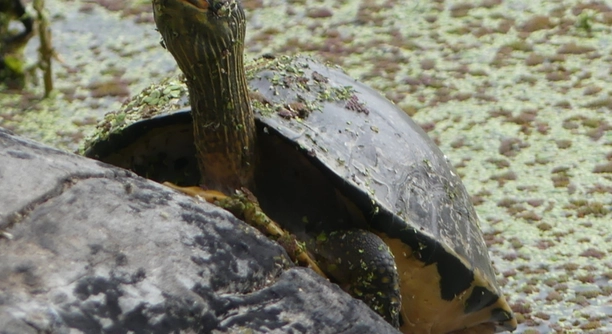
Indian roofed tortoises are fascinating creatures, and as pet owners, we often want to see them more active. These turtles are known for their unique behavior, but sometimes they need a little encouragement to move around more.
Increasing the activity level of your Indian roofed tortoise can be achieved by providing a suitable environment, stimulating activities, and maintaining proper diet and health. Ensuring the right habitat with space for exploration and offering safe opportunities to exercise will encourage movement.
By making simple adjustments to their care routine, you can help your tortoise become more active and enjoy a healthier lifestyle.
Create the Right Habitat
The right habitat is essential for an active tortoise. Make sure the enclosure is large enough for them to roam and explore. A spacious area encourages movement and provides the mental stimulation they need. Additionally, adding hiding spots, logs, and climbing structures can motivate them to move around. Ensure the environment is warm enough to allow for natural behavior like basking and foraging.
Tortoises are naturally curious, so providing a variety of surfaces and textures can help keep them interested and encourage activity. You can also include plants they can interact with safely.
A proper habitat not only helps your tortoise stay active but also supports their overall health. Regular cleaning and temperature control are important for their comfort. Keeping these factors in mind will create an environment that promotes physical activity and mental engagement.
Provide a Balanced Diet
The right diet can help boost your tortoise’s energy levels. Offering a variety of leafy greens and fresh vegetables encourages foraging and movement. Avoid feeding processed foods, as these can lead to lethargy.
A diet rich in fiber and nutrients keeps your tortoise’s digestive system healthy, giving them the energy needed to stay active. Overfeeding should also be avoided, as it can result in weight gain and decreased movement.
By focusing on a healthy diet, you provide the right foundation for an active tortoise. Be sure to monitor their food intake and adjust accordingly to ensure they are maintaining a healthy weight and staying energized.
Offer Opportunities for Exercise
Tortoises need space to roam. If they’re kept in a small area, they’re less likely to move around much. Setting up a designated play area outside their regular enclosure can give them more room to exercise.
Create an obstacle course with ramps, tunnels, and safe plants to encourage your tortoise to explore. You can also try gently guiding them to different areas by placing food items in new spots. This encourages them to move and search. Offering outdoor time, weather permitting, allows your tortoise to experience the natural ground.
Make sure the exercise area is safe, free from predators, and accessible. Avoid overcrowding, as too many items can restrict movement. Keep a balance that provides your tortoise with enough space and stimulation to stay active.
Maintain Proper Lighting and Temperature
Lighting and temperature play a huge role in keeping your tortoise active. They need a proper heat gradient in their enclosure to stay comfortable and motivated to move.
Place a heat lamp at one side of the tank to give your tortoise a warm basking spot, while the other side should be cooler for a temperature gradient. These conditions encourage natural movement as they seek out areas with the right temperatures. Having a UVB light is also crucial for vitamin D production, which is important for their health and energy levels.
Without proper lighting, your tortoise may become lethargic. By adjusting the temperature and light, you’ll help them feel more comfortable and active in their environment. Keeping a consistent routine with light and warmth can significantly boost their energy levels.
Keep Their Environment Clean
A clean environment promotes better health and encourages activity. Regularly remove waste, uneaten food, and debris from the enclosure. This keeps the space fresh and free from bacteria.
Tortoises can become stressed in dirty environments, which may cause them to retreat into their shells and reduce activity. A tidy habitat creates a more inviting and stimulating space, which can encourage your tortoise to explore.
Frequent cleaning also prevents unpleasant smells and ensures that your tortoise’s living space remains safe and healthy. Make sure to disinfect the enclosure periodically to maintain cleanliness.
Offer Variety in Their Diet
Variety in food can motivate your tortoise to be more active. Offering different vegetables, fruits, and safe plants keeps them interested in their meals. This encourages them to search and forage.
By rotating food types regularly, you can stimulate your tortoise’s natural instincts. Changing their meals provides the mental stimulation they need, which can lead to increased movement and energy. Fresh, nutrient-rich food will help maintain their health and encourage them to stay active.
Make sure all food options are safe for your tortoise. Avoid any harmful plants or toxic foods.
Monitor Their Health
Keep a close eye on your tortoise’s health to ensure they remain active. Any signs of illness or discomfort can lead to reduced movement. Regular check-ups with a veterinarian are essential.
Maintaining a healthy weight and watching for any signs of lethargy can help catch issues early. It’s important to address problems promptly, as illness can quickly cause a decrease in energy. Providing a proper diet and habitat supports good health, but it’s equally important to monitor them regularly for potential health problems.
FAQ
How can I tell if my Indian roofed tortoise is too inactive?
If your tortoise is spending long periods inside its shell, not moving around much, or seems uninterested in food, these could be signs of inactivity. Tortoises generally enjoy exploring their environment and foraging for food. If you notice they’re not doing these things, it may be time to reassess their habitat or diet. Lethargy could also be linked to health issues, so it’s important to observe any changes in behavior.
What temperature should I maintain for my Indian roofed tortoise?
Indian roofed tortoises need a temperature gradient in their enclosure. The warm side should be between 85-90°F (29-32°C), while the cooler side should range from 70-75°F (21-24°C). This allows your tortoise to regulate its body temperature by moving between warmer and cooler areas. A heat lamp on one side of the enclosure provides the necessary warmth for basking, and a UVB light is essential for their health. A thermometer can help ensure the temperature remains within the right range.
Can I let my tortoise roam outside?
Yes, your tortoise can roam outside if the weather is suitable. Make sure the area is enclosed and free from predators. If you choose to let them outside, always supervise them closely. Outdoor time provides mental and physical stimulation, helping your tortoise stay active. Just be mindful of temperature and avoid letting them outside during extreme weather conditions, like heatwaves or heavy rain.
What types of food should I feed my Indian roofed tortoise to keep them active?
Indian roofed tortoises thrive on a diet of leafy greens, grasses, and edible plants. Kale, dandelion greens, and clover are great options. You can also offer fruits like strawberries or melon in moderation. Avoid feeding processed or high-fat foods, as these can lead to lethargy. Variety is key, so rotating the types of greens and offering a mix of different plant-based foods will help keep them interested and encourage activity.
Is it okay for my tortoise to stay in a small enclosure?
While a small enclosure may be suitable for temporary use, it’s important to provide enough space for your tortoise to move around freely. A cramped space can lead to inactivity and stress. The minimum size should allow your tortoise to fully extend its legs and explore. A larger enclosure encourages physical activity and mental stimulation, both of which are essential for your tortoise’s overall well-being.
How often should I clean my tortoise’s enclosure?
You should clean your tortoise’s enclosure at least once a week, removing uneaten food, waste, and debris. Spot cleaning daily helps maintain hygiene. A thorough cleaning should include disinfecting the entire enclosure, including the substrate, walls, and any accessories. Keeping the habitat clean helps prevent health issues, reduces stress, and encourages your tortoise to remain active in a fresh environment.
Why is my tortoise not eating?
A lack of appetite in your tortoise can be caused by various factors. Stress, improper temperature, or health problems can all contribute to a loss of appetite. Ensure the temperature in the enclosure is correct, and that your tortoise has access to fresh, appropriate foods. If the issue persists, it may be time to consult a veterinarian to rule out any underlying health problems.
How can I make sure my tortoise gets enough UVB light?
UVB light is essential for your tortoise’s health, helping them metabolize calcium and preventing metabolic bone disease. Ensure your tortoise’s enclosure has a UVB light bulb that’s positioned close enough for them to bask under. The light should be on for 10-12 hours a day to mimic natural daylight. It’s also important to replace the UVB bulb regularly, as its effectiveness decreases over time.
Can stress make my tortoise inactive?
Yes, stress can cause a tortoise to become inactive. Factors such as a noisy environment, overcrowding, improper temperature, or being handled too much can all contribute to stress. It’s important to create a calm, stable environment for your tortoise to help reduce stress and encourage activity. Regularly observing their behavior and making necessary changes to their surroundings can prevent stress from becoming a long-term issue.
How much space does an Indian roofed tortoise need?
Indian roofed tortoises need a spacious area to explore. For a single tortoise, the minimum recommended enclosure size is 4 feet long by 2 feet wide. If you can provide a larger space, that’s even better. Having ample room allows your tortoise to be active and prevents them from becoming bored or lethargic.
What are the signs that my tortoise is ill?
Common signs of illness in tortoises include lethargy, loss of appetite, difficulty moving, respiratory issues (such as wheezing or discharge from the nose), and shell deformities. If your tortoise displays any of these symptoms, it’s important to consult a veterinarian who specializes in reptiles. Illness can often lead to decreased activity, so early detection and treatment are essential for recovery.
How can I encourage my tortoise to exercise more?
You can encourage your tortoise to exercise by offering an environment with plenty of space and things to climb over. Adding obstacles like rocks, logs, and tunnels gives your tortoise something to interact with. You can also place food in different areas of the enclosure to encourage movement as they search for it. Increasing outdoor time, when weather permits, provides additional opportunities for your tortoise to stay active.
What are some safe plants for my tortoise to eat?
Many plants are safe for tortoises to eat, including dandelions, clover, hibiscus flowers, and collard greens. You can also offer grasses like Timothy hay. Be sure to avoid any plants that are toxic to tortoises, such as ivy, oleander, and certain types of ferns. Always check if a plant is safe before offering it to your tortoise.
Final Thoughts
Making sure your Indian roofed tortoise stays active requires a combination of the right environment, proper diet, and consistent care. Tortoises are naturally curious and need space to explore. If they don’t have an area to roam or climb, they may become inactive. Providing a larger enclosure with varied terrain, such as rocks and logs, encourages movement and exploration. A balanced temperature gradient in the habitat also ensures they can bask in warmth when needed and cool down when necessary, which supports their natural activity levels.
Diet is another important factor in keeping your tortoise active. A varied diet of leafy greens, flowers, and grasses provides the essential nutrients that promote energy. Avoid feeding them processed foods or high-fat options, as these can cause lethargy. It’s important to offer a mix of foods to stimulate their appetite and encourage them to move around. Regularly changing their food location within the enclosure can also provide an incentive for your tortoise to be more active as they search for their next meal.
Remember that every tortoise is different. Some may be more naturally active than others. However, creating an environment that offers space, stimulation, and a balanced diet will help encourage activity. Regular monitoring of your tortoise’s health is essential, as inactivity can sometimes signal underlying health issues. By providing the right conditions and care, you can help ensure your Indian roofed tortoise remains active, happy, and healthy.

Hello,
If you enjoy the content that we create, please consider saying a "Thank You!" by leaving a tip.
Every little bit helps us continue crafting quality advice that supports the health, happiness, and well-being of pets around the world, for pets of all shapes, sizes, and species.
We really appreciate the kindness and support that you show us!