
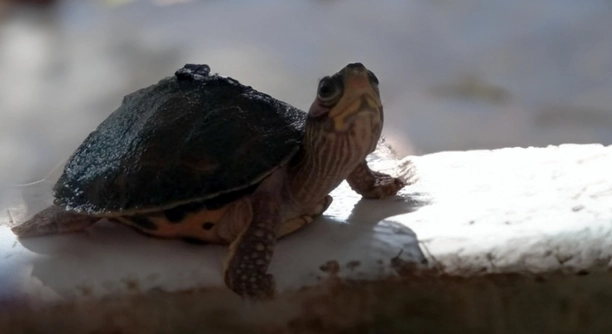
Overhandling an Indian Roofed Tortoise can cause stress and harm. These creatures are sensitive to excessive human interaction, and their well-being depends on proper care and handling. Understanding the risks involved is important for any tortoise owner.
Overhandling can lead to physical stress, behavioral issues, and even health problems in Indian Roofed Tortoises. These tortoises require minimal handling to thrive, as too much interaction can disrupt their natural behaviors and immune system.
Taking the right steps to limit handling will ensure your tortoise’s health and happiness. Keep reading to learn more about the potential risks and how to handle your tortoise responsibly.
Stress and Health Issues from Overhandling
Indian Roofed Tortoises are highly sensitive to stress, and excessive handling can have serious consequences on their health. When stressed, they may experience a weakened immune system, leading to illness or even premature death. Handling them too frequently can also cause physical injuries, like broken shells or dislocated limbs, due to the pressure applied on their fragile bodies. Additionally, overhandling disrupts their natural behaviors, such as foraging and basking, which are crucial for their well-being. It’s important to create a safe, stress-free environment for them to thrive in.
A tortoise that is frequently handled may become more defensive and agitated. These responses are signs of the stress they are under. Over time, this stress can lead to long-term behavioral issues, including an unwillingness to eat or move freely.
Understanding the need for balance in their care is essential. Limiting human interaction and offering more opportunities for natural behaviors helps maintain your tortoise’s happiness. Stress-free living is key to a longer, healthier life for your pet.
Behavioral Changes
When overhandled, Indian Roofed Tortoises can exhibit noticeable changes in behavior. They may become more aggressive or withdrawn, avoiding human contact altogether. These behavioral shifts are directly related to the stress they experience. Tortoises are naturally solitary and not accustomed to regular human interaction. If forced into this type of environment, they may begin to feel threatened, showing signs of fear or aggression.
Their natural instincts dictate that they are more comfortable when left to explore at their own pace. Overhandling disrupts this instinct, often causing the tortoise to hide or retreat into its shell as a defense mechanism. These responses can further complicate their adjustment to captivity, making it harder for them to form a bond with their owner. The key to fostering a healthy relationship is understanding their limits and respecting their need for personal space.
Physical Damage from Excessive Handling
Constant handling not only causes stress but can lead to physical damage. Indian Roofed Tortoises have delicate shells and limbs that are vulnerable to injury. Handling them too often, especially without proper technique, can result in accidental injuries such as cracked shells or dislocated limbs. Even slight pressure can be harmful to their fragile bodies.
In addition to physical damage, excessive handling can disrupt their feeding and digestive habits. These tortoises need peace and quiet to feed properly and process food. If they are disturbed too much, their feeding habits may be affected, which could lead to nutritional deficiencies or digestive problems.
Tortoises are naturally slow-moving creatures and thrive in environments where they can move freely. Overhandling can restrict their movement and limit their ability to engage in natural behaviors like foraging and exploring. It’s important to respect their need for space and to only handle them when absolutely necessary.
Impact on Natural Behavior
Overhandling your tortoise can interfere with its natural instincts. Indian Roofed Tortoises are naturally solitary and prefer to explore at their own pace. When they’re handled too much, their natural behaviors like basking, foraging, and moving freely can be disrupted. These activities are essential for their health and well-being.
Constant interference also prevents them from adjusting to their surroundings. Tortoises need time to feel secure in their habitat, and overhandling robs them of that time. They may become more anxious and less active, reducing their overall quality of life. Letting your tortoise live without constant disturbance is the best way to allow it to express its natural instincts.
Trust Issues
Tortoises rely on a calm, safe environment to thrive. Overhandling them can lead to trust issues, as they begin to associate human interaction with stress. This can make it difficult for your tortoise to feel secure in its own space, which can cause long-term behavioral issues.
A tortoise that is repeatedly handled may become fearful, avoiding the presence of its owner. Over time, this lack of trust can prevent your tortoise from thriving in captivity. It’s important to allow your tortoise to approach you on its own terms, fostering a more natural, trusting relationship. Over time, you’ll notice your tortoise becoming more comfortable with you when the time for interaction is right.
Risk of Injury
Handling your tortoise too much can lead to accidents. Their shells and limbs are delicate and can easily be harmed with improper handling. Dropping them, or applying too much pressure, can cause cracks or fractures, leading to pain and possible long-term damage. It’s best to handle them as little as possible.
Even gentle handling can cause stress, making the tortoise more likely to pull into its shell or become disoriented. This increases the risk of injury, as they may move suddenly or awkwardly. It’s essential to handle them with care and only when necessary, giving them room to move freely and safely.
Handling Techniques
If you must handle your Indian Roofed Tortoise, use proper techniques to minimize risk. Support both its shell and body with your hands, ensuring that no pressure is applied to its fragile limbs or shell. Never lift a tortoise by its legs or tail, as this can cause significant stress or injury.
While it’s crucial to minimize handling, if it’s required for cleaning or check-ups, use slow, controlled movements. Always make sure the tortoise feels stable and secure, and return it to its habitat as quickly as possible. Treating them with care ensures their safety during handling.
Environmental Disruptions
Tortoises are territorial creatures, and overhandling can disrupt their environment. Excessive human interaction can disturb their habitats and their sense of safety. They need a quiet, stable environment to feel secure and thrive. Too much disturbance can cause them to retreat into their shells or stop moving entirely, which is a sign of stress.
If you’re frequently disturbing their habitat by moving them around, or by handling them too much, it can prevent them from adjusting to their space properly. A stable, quiet environment is necessary for your tortoise to feel comfortable and live healthily.
FAQ
How often should I handle my Indian Roofed Tortoise?
It’s best to limit handling your Indian Roofed Tortoise to a minimum. Frequent handling can stress them out and interfere with their natural behaviors. Only handle them when necessary, such as during cleaning or health checks. When you do handle them, ensure it’s done gently and with care to avoid causing stress or injury.
What are the signs that my tortoise is stressed from too much handling?
Tortoises under stress from overhandling often exhibit signs like hiding in their shells, becoming more aggressive, or moving less than usual. They may also stop eating or avoid interacting with their surroundings. If you notice these signs, it’s a good idea to cut back on handling and give your tortoise space to calm down.
Can overhandling cause long-term health problems?
Yes, overhandling can lead to long-term health problems in Indian Roofed Tortoises. Stress from frequent interaction can weaken their immune system, making them more susceptible to illnesses. It can also cause physical injuries such as cracked shells or joint issues. The best approach is to avoid overhandling and provide them with a peaceful, stable environment.
Is it okay to handle my tortoise if I need to move them to another spot?
If you need to move your tortoise to a different spot, make sure to handle them carefully and only when absolutely necessary. Use both hands to support their body and shell evenly. Avoid lifting them by their limbs or tail, as this can cause stress and injury. Try to minimize these types of moves to prevent unnecessary disturbance.
What is the best way to interact with my tortoise without overhandling them?
You can interact with your tortoise by simply spending time near them. Let them approach you when they feel comfortable. You can also offer food, watch them explore their habitat, or provide them with new enrichment. These types of interactions allow your tortoise to feel safe while still engaging with you.
Can my tortoise get used to handling over time?
While some tortoises may tolerate gentle handling over time, it’s important not to assume that all tortoises will become comfortable with it. Many tortoises, including the Indian Roofed Tortoise, prefer minimal human interaction. It’s essential to respect their boundaries and limit handling, even if they seem okay with it at first.
How can I tell if my tortoise is injured from handling?
If your tortoise has been handled roughly or too frequently, signs of injury may include visible cracks on the shell, swelling, or limping. They may also appear more withdrawn or lethargic than usual. If you notice these signs, it’s important to take your tortoise to a vet for an examination and treatment.
What are some alternative ways to care for my tortoise without overhandling it?
Provide your tortoise with a safe, quiet environment, and focus on their natural behaviors. You can offer varied food options, maintain an appropriate temperature and humidity level, and add enrichment to their habitat. Let them move freely, forage, and bask as they please, without excessive human interference.
Do tortoises need regular check-ups from a vet?
Yes, it’s important to take your tortoise to the vet for regular health check-ups. These visits allow the vet to monitor their health, look for signs of illness, and provide vaccinations if needed. However, avoid frequent handling outside of necessary check-ups to prevent stress.
How can I tell if my tortoise is getting enough exercise?
Tortoises need plenty of space to roam and explore, which is key to their physical and mental health. If your tortoise is moving around its habitat regularly, foraging for food, and engaging in natural behaviors, it is likely getting enough exercise. Lack of movement or signs of lethargy could indicate stress, discomfort, or illness.
Is it okay to let my tortoise roam free outside?
Allowing your tortoise to roam outside can be beneficial, but only if it’s safe. Make sure the area is secure, free of predators, and provides a safe, clean environment. Always supervise your tortoise while outdoors to prevent them from escaping or getting injured.
What kind of habitat do Indian Roofed Tortoises need?
Indian Roofed Tortoises need a large, secure habitat that mimics their natural environment. This includes a warm, dry area with access to a basking spot, a cool, shady area for them to retreat, and a safe, clean space for them to forage. The environment should also have the correct humidity levels to ensure their health.
Can overhandling affect my tortoise’s ability to eat or drink?
Yes, overhandling can affect your tortoise’s ability to eat or drink. If a tortoise is stressed, it may lose its appetite or become less interested in food and water. This can lead to dehydration or nutritional deficiencies. Allowing your tortoise to eat and drink in peace is essential for its well-being.
How can I help my tortoise adjust to being handled less?
To help your tortoise adjust to less handling, gradually reduce the amount of interaction you have with them. Allow them to get used to your presence and give them time to approach you when they feel comfortable. Avoid forcing interaction and be patient as they adjust to the new routine.
Final Thoughts
Handling an Indian Roofed Tortoise can be a rewarding experience, but it is important to remember that they are naturally independent creatures. Overhandling them can cause stress and discomfort, which can lead to long-term health issues. By understanding the importance of minimal interaction, you can create a better environment for your tortoise, allowing it to thrive and stay healthy. It’s essential to provide them with space to explore, forage, and bask in a calm environment without constant disruption.
When caring for your Indian Roofed Tortoise, prioritize their well-being above your desire to handle them frequently. While occasional handling is necessary for cleaning and health checks, excessive interaction can disrupt their natural behaviors. It’s best to observe them from a distance and allow them to come to you on their terms. This will help foster trust and ensure your tortoise feels safe in its habitat. Also, be mindful of any signs of stress, such as hiding or decreased activity, as these could be a result of too much handling.
In the end, the key to a happy and healthy tortoise is a peaceful and stress-free environment. Focus on providing the right habitat, diet, and enrichment to ensure your tortoise’s well-being. Handling should be limited to what’s necessary and done gently to avoid causing any harm. By respecting your tortoise’s boundaries, you can help it live a long, healthy life while maintaining a positive relationship based on trust and mutual respect.

Hello,
If you enjoy the content that we create, please consider saying a "Thank You!" by leaving a tip.
Every little bit helps us continue crafting quality advice that supports the health, happiness, and well-being of pets around the world, for pets of all shapes, sizes, and species.
We really appreciate the kindness and support that you show us!