
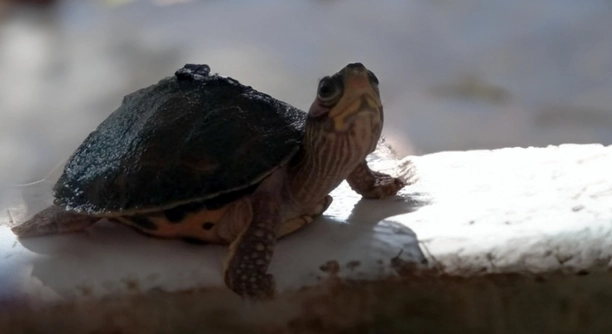
Many pet owners notice their Indian Roofed Tortoise trying to climb walls or other vertical surfaces. This behavior can be puzzling, but understanding it is important for their well-being. There are several reasons why they might do this.
Indian Roofed Tortoises may attempt to climb walls due to factors such as environmental stress, boredom, or a lack of stimulation. In some cases, they may also be trying to escape their enclosure or search for food.
By recognizing these underlying causes, you can better address the behavior and make sure your tortoise is comfortable and healthy. Adjusting their environment may help prevent further climbing attempts.
Environmental Stress
Indian Roofed Tortoises are sensitive creatures. They can feel stressed when their environment doesn’t meet their needs. If your tortoise is trying to climb walls, it could be trying to escape an uncomfortable situation. This might happen if their habitat is too small or lacks hiding spots, which can make them feel unsafe. Additionally, temperature or humidity levels that are too high or low may contribute to the stress. Providing a spacious enclosure with proper lighting and temperature regulation can help reduce these stressors and prevent climbing behavior.
Making sure the enclosure is large enough for your tortoise to move around freely is key. An overcrowded or cramped space can lead to frustration and increased attempts to escape.
When the right conditions are in place, your tortoise will likely feel more secure, reducing climbing behavior. Maintaining a comfortable environment for your pet is essential for their happiness and health. Keeping them away from sources of stress will help you see a calmer, more content tortoise.
Boredom and Lack of Stimulation
Another reason your Indian Roofed Tortoise might be trying to climb is simple boredom. These reptiles need mental and physical stimulation to stay active. Without enough enrichment, they may resort to climbing walls out of frustration. A lack of variety in their environment, such as limited hiding spots, toys, or access to different textures, can make them restless.
Providing various activities for your tortoise is important. Simple things like rocks to climb on, plants to explore, and a shallow pool of water can encourage natural behaviors, making them feel more engaged and less likely to attempt climbing.
Additionally, tortoises enjoy having a few changes in their environment. Introducing new objects or rearranging their space once in a while keeps them interested and active. This variety helps to break the monotony and can prevent unwanted climbing behavior.
Escaping the Enclosure
Your Indian Roofed Tortoise might be trying to climb walls because it wants to escape its enclosure. Tortoises are naturally curious and will often look for ways to explore their surroundings. If they feel their space is too small or uninteresting, they may try to climb or dig out.
To prevent this behavior, ensure your enclosure is secure. Use high walls or a lid that can’t easily be climbed over. Make sure there’s no way for your tortoise to escape, as this could lead to stress or injury.
Additionally, be mindful of the tortoise’s need for personal space. If they’re constantly trying to escape, it might mean they need more room to roam or more items within their space. Providing adequate space and safety will prevent them from trying to escape.
Hunger or Food-Seeking Behavior
Another reason your tortoise might try to climb is in search of food. If they are hungry, they may think climbing will help them find a meal, especially if they see food outside their enclosure or smell it. This behavior can also be a sign that they aren’t being fed enough or frequently enough.
To address this, make sure your tortoise is fed regularly and has access to a balanced diet. Offer fresh vegetables and high-quality tortoise food, ensuring they are getting the proper nutrition. You may want to introduce a feeding schedule, as it helps prevent hunger-driven climbing behavior.
If you notice your tortoise trying to climb, check if food is visible outside the enclosure. A simple adjustment in feeding habits or enclosure placement may solve the issue, helping your tortoise feel more satisfied and less likely to escape.
Inadequate Lighting and Temperature
Your tortoise might be climbing due to improper lighting or temperature in its enclosure. Tortoises need a proper balance of heat and light to stay healthy. Without it, they may feel stressed or uncomfortable, prompting them to search for a better environment.
Ensure that the enclosure has a basking spot with the correct temperature, usually around 85-90°F, and a cooler area. Proper UVB lighting is also essential for their overall well-being. Without it, they may exhibit unwanted behaviors, including climbing. Check their setup regularly to maintain a stable environment.
Health Issues
Sometimes, climbing behavior could be a sign of health problems. If your tortoise is in discomfort, it may attempt to climb walls as a way of expressing distress or discomfort. This can happen due to issues like shell rot, parasites, or internal pain.
If you suspect a health problem, it’s important to consult a veterinarian. Early detection and treatment of any illness can help prevent unwanted behaviors, including climbing. Regular check-ups will ensure your tortoise remains healthy and comfortable.
Overcrowded Enclosure
An overcrowded enclosure can make your tortoise feel trapped. When there’s not enough space to move around comfortably, your pet may try to climb the walls in search of more room. This can lead to frustration and stress.
Make sure your tortoise has enough space to roam freely. If you have multiple pets, consider creating separate enclosures or larger areas to prevent overcrowding. More space and fewer distractions will help your tortoise feel more at ease, reducing the need to climb.
FAQ
Why is my Indian Roofed Tortoise climbing the walls of its enclosure?
Your tortoise is likely climbing because it feels stressed, bored, or uncomfortable in its environment. It may also be attempting to escape, searching for food, or trying to find a better place to regulate its temperature. Ensure its enclosure is large enough, secure, and has proper lighting, temperature, and stimulation to reduce climbing behavior.
Can climbing hurt my tortoise?
Yes, climbing can be dangerous for your tortoise. If it falls from a height, it could injure itself, especially if there are sharp objects or hard surfaces below. Additionally, if your tortoise escapes its enclosure, it could be exposed to risks like predators or unsafe environments. Keep its space secure to avoid accidents.
How can I stop my tortoise from climbing?
To stop your tortoise from climbing, first ensure its environment is comfortable and meets all its needs. Provide a spacious enclosure, appropriate lighting and temperature, and plenty of hiding spots. Adding enrichment like rocks, branches, or plants can also help reduce climbing behavior by keeping your tortoise engaged and less likely to escape.
Do tortoises climb when they are hungry?
Yes, hunger can trigger climbing behavior. If your tortoise sees food outside its enclosure or smells it, it might try to climb in search of a meal. Make sure you are feeding your tortoise enough and at regular intervals. Additionally, ensure its food is placed within the enclosure, making it easier to access.
Is it normal for my tortoise to climb at night?
It’s normal for tortoises to be active during the day, but some may exhibit climbing behavior at night as well. This could be due to discomfort, poor lighting, or a lack of stimulation. Ensure your tortoise has a day-night cycle with appropriate lighting and a stable temperature to encourage natural sleeping patterns.
How do I know if my tortoise is stressed?
Signs of stress in tortoises include excessive climbing, lack of appetite, lethargy, or aggressive behavior. If your tortoise seems unusually restless, hides more than usual, or stops eating, it could be a sign that it’s stressed. Check its environment for any issues, such as temperature fluctuations or overcrowding, and adjust as needed.
Can my tortoise climb out of its enclosure?
Yes, tortoises can climb or attempt to escape if the walls are too low or if they feel their space is inadequate. Ensure that the walls of your tortoise’s enclosure are high enough to prevent climbing, and that the lid or roof is secure. Tortoises are surprisingly good at finding ways to escape if they are motivated.
Should I let my tortoise roam outside its enclosure?
Allowing your tortoise to roam outside its enclosure can be beneficial for its exercise and mental stimulation, but only in a safe, controlled environment. Make sure the area is free of potential dangers like predators, traffic, or toxic plants. Supervise your tortoise during outdoor time to prevent it from escaping.
How often should I feed my Indian Roofed Tortoise?
Adult Indian Roofed Tortoises are typically fed every other day, but young tortoises may require daily feedings. A balanced diet of fresh vegetables, leafy greens, and some fruits should be offered. Providing food at regular intervals ensures your tortoise is not seeking food outside its enclosure due to hunger.
Can temperature affect my tortoise’s climbing behavior?
Yes, improper temperature can lead to climbing behavior. If the enclosure is too hot or too cold, your tortoise may climb in search of a better place to regulate its body temperature. Make sure there’s a temperature gradient in the enclosure, with a basking spot around 85-90°F and a cooler area for your tortoise to retreat to.
Should I be concerned if my tortoise is always climbing?
Constant climbing could indicate that your tortoise is not happy with its environment. This behavior is usually a sign of stress, boredom, or discomfort. By improving the enclosure with more space, proper lighting, temperature control, and enrichment, you can reduce the climbing and make your tortoise more comfortable.
How can I make my tortoise’s enclosure more interesting?
To make your tortoise’s enclosure more engaging, add a variety of climbing structures, plants, and hiding spots. Introduce textures like logs, rocks, or sand to encourage natural behaviors like burrowing and exploring. Changing the layout occasionally can also help to keep your tortoise mentally stimulated and reduce boredom-driven climbing.
Can my tortoise climb out if the walls are made of glass?
Glass walls can be just as climbable as any other material, especially if they are low. Tortoises often use their claws to climb, and if the glass isn’t tall enough, they may still try to escape. It’s important to ensure the glass enclosure is high enough to prevent climbing and to check for any possible escape routes.
What are the signs that my tortoise is not getting enough food?
If your tortoise is always climbing or appears agitated, it could be a sign that it’s not getting enough food. Other signs include weight loss, lethargy, or constantly searching for food outside the enclosure. Make sure to offer enough food regularly and check if your tortoise is eating well to ensure proper nutrition.
Do Indian Roofed Tortoises need a water dish in their enclosure?
Yes, Indian Roofed Tortoises need access to clean water at all times. A shallow dish of water allows them to drink and soak, which helps with hydration and digestion. Not providing water could cause dehydration, which might also contribute to unusual behaviors like climbing.
Can I stop my tortoise from climbing by adding a roof to its enclosure?
Adding a secure roof can help prevent your tortoise from climbing out, especially if the walls of the enclosure are not tall enough. A lid or cover can also provide additional security from external threats like predators or other pets. Make sure the roof is securely fastened to avoid accidental escapes.
Final Thoughts
Understanding why your Indian Roofed Tortoise keeps trying to climb the walls of its enclosure is key to addressing the behavior. It could be a sign of stress, boredom, or discomfort in its environment. Making sure your tortoise’s habitat is spacious and secure is essential. A cramped or unstable environment can make them feel trapped or unsafe, leading to climbing attempts. Ensuring proper temperature, lighting, and humidity levels in the enclosure will also help your tortoise feel more at ease. By creating a comfortable and stimulating environment, you can reduce the chances of your tortoise trying to climb.
Boredom is another common reason for climbing behavior. Tortoises need mental stimulation and physical space to thrive. Without proper enrichment, they may resort to climbing as a way to release pent-up energy. Adding different textures, such as rocks, plants, and hiding spots, can keep your tortoise engaged. You can also rotate toys or rearrange the enclosure occasionally to keep it interesting. A well-enriched environment will allow your tortoise to explore naturally and reduce any frustration that might cause climbing.
Lastly, always monitor your tortoise’s health. If it shows signs of illness or discomfort, it might attempt to climb out of its enclosure in search of relief. Regular veterinary check-ups and a healthy diet are essential to your tortoise’s well-being. If your tortoise’s climbing behavior seems linked to a health issue, seek professional advice. Ultimately, understanding your tortoise’s needs and making adjustments to its environment will help ensure it remains happy, healthy, and comfortable in its home.

Hello,
If you enjoy the content that we create, please consider saying a "Thank You!" by leaving a tip.
Every little bit helps us continue crafting quality advice that supports the health, happiness, and well-being of pets around the world, for pets of all shapes, sizes, and species.
We really appreciate the kindness and support that you show us!