
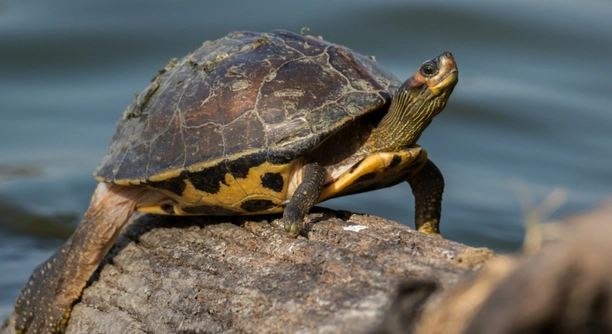
Introducing an Indian Roofed Tortoise to a new environment can be a delicate process. Properly setting up its surroundings is key for a smooth transition and its well-being. Ensuring comfort and safety will help the tortoise adjust more easily.
To safely introduce an Indian Roofed Tortoise to a new environment, provide a calm, spacious area with appropriate temperature, humidity, and hiding spots. Gradually acclimate the tortoise to its new space while monitoring its behavior for signs of stress or discomfort.
This guide will provide the essential steps for a smooth transition, ensuring your tortoise thrives in its new home while minimizing stress.
Preparing the New Habitat
When setting up the new home for your Indian Roofed Tortoise, the first step is to create an environment that mimics its natural habitat. These tortoises are native to India and Southeast Asia, where they live in warm, dry areas with access to water. Make sure the enclosure has a comfortable temperature range, ideally between 75°F and 85°F (24°C to 29°C). Use a thermometer to monitor the heat, as tortoises are sensitive to temperature changes. In addition, humidity is essential. A humidity level of 50-70% will help keep your tortoise healthy. Incorporate a shallow water dish for drinking and soaking, as hydration is important. The enclosure should also include hiding spots, such as rocks or logs, for your tortoise to retreat to when it needs privacy. Keep the flooring of the enclosure dry, with materials like coconut coir or mulch to prevent mold.
Providing the correct lighting is just as important. UVB light helps your tortoise produce vitamin D3, necessary for calcium absorption. Without UVB light, your tortoise can develop shell deformities or metabolic bone disease. Make sure the light is on for 12-14 hours each day and positioned so your tortoise can bask.
Before placing your tortoise in its new home, ensure all elements are properly set up. It’s best to test everything and make any necessary adjustments ahead of time. This careful preparation will give your tortoise a safe and comfortable environment, which helps with a smoother adjustment period.
Acclimating to the New Space
Acclimating your tortoise should be done gradually. Keep an eye on its behavior and make sure it doesn’t seem overly stressed. It’s normal for the tortoise to initially hide, but if it remains in one spot for too long, you may need to make changes to the habitat. The key is patience.
Handling Stress and Signs of Discomfort
When introducing a tortoise to a new environment, stress can be an issue. Signs of stress may include staying in one spot for too long, not eating, or hiding more than usual. If these behaviors occur, you should evaluate the habitat for any issues like temperature fluctuations or lack of hiding spaces.
Sometimes, the tortoise may refuse food initially, but don’t worry. It’s natural for them to be cautious in new surroundings. Try offering their favorite food items to encourage eating. If your tortoise still isn’t eating after a few days, check the setup to ensure it’s comfortable. Try adjusting the temperature, humidity, or hiding spots. Make sure it feels safe and relaxed. If problems persist, a vet visit might be necessary.
Tortoises can be sensitive to changes, so they need time to settle. If you notice any signs of discomfort, adjust the environment as needed. With time, your tortoise should feel comfortable and confident in its new home. Patience is key in helping it adapt.
Gradual Introduction to New Surroundings
Introducing your tortoise to its new space should be gradual. Start by placing the tortoise in the enclosure and let it explore at its own pace. Avoid forcing it into the new space, as this can cause more stress. Allow it to move around and investigate its new surroundings. This slow introduction helps the tortoise build trust and confidence.
You can spend time near the enclosure, speaking softly to create a calming atmosphere. Avoid handling the tortoise too much during the first few days. Frequent handling may stress it out and make it harder for the tortoise to settle in. Keep noise levels down and reduce distractions to help it feel secure. By creating a peaceful environment, you are helping your tortoise adapt more comfortably to the changes. It’s a process, but with patience, the transition will be much easier for both you and your tortoise.
Monitoring the Tortoise’s Health
Pay attention to how your tortoise behaves in its new home. Watch for signs of illness, such as a lack of appetite, lethargy, or changes in its shell or skin. These can indicate stress or an environmental issue that needs attention.
If your tortoise isn’t moving or eating as expected, check the temperature and humidity levels. Improper conditions can cause discomfort or illness. It’s important to adjust the environment as soon as you notice any changes. Also, check that the water dish is clean and the tortoise has access to fresh food.
Providing Proper Nutrition
Nutrition is an essential part of a healthy tortoise. Make sure the diet includes a variety of greens, vegetables, and occasional fruit. Avoid feeding it foods that are high in protein or sugar, as these can upset its digestion and overall health.
Offer leafy greens like kale, dandelion, and collard greens. These are excellent choices and closely resemble what the tortoise would eat in the wild. You can also include some edible flowers, such as hibiscus. Make sure all food is pesticide-free. If you’re unsure about specific foods, it’s best to consult with a vet.
Settling Into a Routine
Once your tortoise is adjusting, begin creating a routine. Set feeding times and try to stick to the same schedule each day. Consistency helps your tortoise feel secure. A regular routine allows it to better adapt to its surroundings. Keep an eye on its behavior to make sure it’s comfortable.
FAQ
What temperature should the habitat be for an Indian Roofed Tortoise?
The ideal temperature for an Indian Roofed Tortoise is between 75°F and 85°F (24°C to 29°C). It is essential to have a heat source in the enclosure, such as a heat lamp or a ceramic heater, to maintain a consistent temperature. Make sure the tortoise has a warm basking area with a slightly higher temperature and a cooler area where it can retreat to regulate its body temperature. Using a thermometer inside the habitat will help ensure the temperature stays within the right range.
What humidity level is best for an Indian Roofed Tortoise?
Indian Roofed Tortoises require a humidity level of 50% to 70%. Humidity is crucial for their skin health and to prevent dehydration. The humidity level can be maintained by misting the enclosure occasionally and providing a shallow water dish for soaking. A hygrometer can help you monitor the humidity in the enclosure, ensuring that it doesn’t get too dry or too damp. Too much humidity can cause respiratory issues, while too little can lead to dehydration.
Can I house more than one Indian Roofed Tortoise together?
It’s generally better to house individual Indian Roofed Tortoises separately, especially in the early stages of acclimation. Tortoises can become territorial, and keeping multiple tortoises together may lead to fighting. If you decide to house more than one, make sure there is plenty of space, multiple basking spots, and food/water access for each tortoise. Always monitor their behavior and be ready to separate them if necessary. A larger enclosure can help reduce aggression and allow each tortoise to have its own space.
What should I feed my Indian Roofed Tortoise?
The Indian Roofed Tortoise is a herbivore, so it should be fed a variety of leafy greens, vegetables, and some fruits. Good food options include dandelion greens, collard greens, kale, and hibiscus flowers. Avoid giving your tortoise foods high in protein or sugar, such as lettuce, as it can cause digestive issues. Additionally, some tortoises enjoy the occasional fruit treat, but it should only be given sparingly. Providing a well-balanced, varied diet will ensure your tortoise stays healthy and energetic.
How often should I feed my Indian Roofed Tortoise?
You should feed your Indian Roofed Tortoise every day, providing fresh food in the morning. The amount of food varies based on the tortoise’s age and size. For young tortoises, feeding twice a day may be necessary, while adult tortoises usually do well with a single meal daily. Always ensure that fresh food is available and that any leftovers are removed after a few hours to avoid spoilage.
How can I tell if my tortoise is healthy?
A healthy tortoise will be active, curious, and eat regularly. Check for a smooth, hard shell without any soft spots, cracks, or signs of injury. The skin should be clean, and the eyes should be bright and clear. If your tortoise becomes lethargic, refuses to eat, or shows signs of wheezing or mucus discharge, it may be sick and should be seen by a vet. Pay attention to changes in behavior, as these can be early indicators of stress or health issues.
How long does it take for an Indian Roofed Tortoise to adjust to its new home?
Adjustment time can vary from tortoise to tortoise, but typically it takes anywhere from a few days to a week for an Indian Roofed Tortoise to settle into its new environment. During this time, you may notice your tortoise hiding more than usual or staying in one spot. This behavior is normal as it’s getting used to its new surroundings. Be patient and provide a quiet, stress-free space to help the tortoise acclimate. Once it starts exploring and eating regularly, you’ll know it’s feeling comfortable.
Should I provide UVB lighting for my Indian Roofed Tortoise?
Yes, UVB lighting is very important for your Indian Roofed Tortoise’s health. UVB light helps them synthesize vitamin D3, which is necessary for proper calcium absorption and shell health. Without UVB exposure, your tortoise may develop metabolic bone disease or shell deformities. You should provide a UVB light source for 12-14 hours per day, ensuring it’s placed within the correct distance from your tortoise to be effective. It’s also a good idea to change the UVB bulb every 6-12 months, as its effectiveness decreases over time.
Can I let my Indian Roofed Tortoise roam outside?
Yes, you can let your tortoise roam outside, but only if the weather is warm enough and the area is safe. Always supervise outdoor time to ensure your tortoise doesn’t escape or get exposed to predators. Make sure the area is free of chemicals or plants that could harm your tortoise. If it’s too cold or rainy, it’s best to keep your tortoise indoors to avoid any health risks. Outdoor time can be beneficial for natural sunlight exposure, but it must be carefully managed.
What kind of substrate should I use in the tortoise’s enclosure?
The substrate in the enclosure should mimic the tortoise’s natural habitat. Use materials like coconut coir, grass hay, or organic soil to create a safe, dry, and comfortable environment. Avoid using sand or wood shavings, as these can cause impaction if ingested. The substrate should be dry, allowing your tortoise to dig and explore, while also being easy to clean. It’s important to remove waste regularly and replace the substrate every few weeks to keep the environment hygienic.
How often should I clean the tortoise’s enclosure?
Cleaning your tortoise’s enclosure should be done regularly to maintain a healthy environment. Spot clean daily by removing uneaten food, waste, and any soiled substrate. Deep cleaning the entire enclosure should be done once every 1-2 weeks, depending on the size of the habitat. This includes replacing the substrate, wiping down surfaces, and cleaning the water dish thoroughly. Regular cleaning helps prevent the buildup of bacteria and keeps your tortoise’s habitat safe and pleasant.
Final Thoughts
Introducing an Indian Roofed Tortoise to a new environment requires careful planning and patience. Ensuring the proper setup of its habitat, with the right temperature, humidity, and lighting, is essential for the tortoise’s well-being. A calm, spacious enclosure will help your tortoise feel secure and less stressed as it adjusts. It’s important to monitor the habitat regularly, making sure that the temperature and humidity levels remain stable and that the space is clean and safe. By maintaining these conditions, you will be setting up a healthy, welcoming environment for your tortoise to thrive in.
During the acclimation period, the tortoise may need time to adjust to its new surroundings. It’s normal for them to hide or not eat right away, as this is part of their process of settling in. Gradually introducing your tortoise to its new environment, while being mindful of its behavior, will help reduce stress. If you notice any signs of discomfort or ill health, it’s essential to address them quickly, adjusting the habitat or seeking veterinary advice if needed. Over time, your tortoise should become more comfortable in its new home and begin to explore and feed more regularly.
With the right care and attention, your Indian Roofed Tortoise can live a long, healthy life in its new environment. Providing proper nutrition, hydration, and a consistent routine will help support its health and happiness. Remember that each tortoise is different, so take the time to understand its individual needs and behaviors. As long as you maintain a stable, safe environment and remain patient during the adjustment period, your tortoise will have a smooth transition and settle into its new home.

Hello,
If you enjoy the content that we create, please consider saying a "Thank You!" by leaving a tip.
Every little bit helps us continue crafting quality advice that supports the health, happiness, and well-being of pets around the world, for pets of all shapes, sizes, and species.
We really appreciate the kindness and support that you show us!