
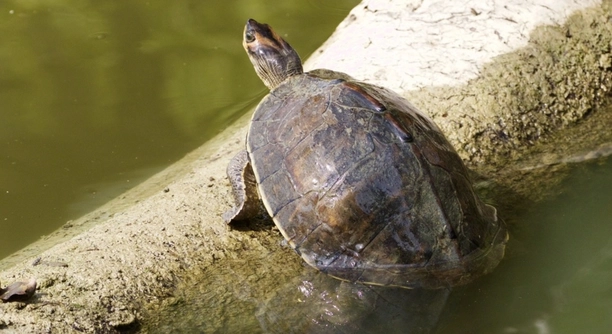
Breeding Indian Roofed Tortoises can be an exciting and rewarding experience for those interested in reptiles. With the right knowledge, planning, and care, you can successfully raise healthy and thriving tortoises.
To successfully breed Indian Roofed Tortoises, it is important to provide a proper environment, ensure good health, and follow a careful breeding process. Understanding their diet, mating habits, and habitat needs are crucial for success.
With proper steps, you can ensure a successful breeding process. It is important to create the ideal environment for your tortoises, as well as meet their specific needs for health and well-being.
Preparing the Right Habitat for Indian Roofed Tortoises
Creating the ideal environment for your Indian Roofed Tortoises is the first step to successful breeding. They need enough space to roam, bask, and hide, along with a secure and clean habitat. A spacious outdoor enclosure or a large indoor tank will give them the room they need. Make sure the habitat has plenty of hiding spots, such as rocks or logs, to help them feel safe. The temperature should range between 75°F and 85°F during the day, with a basking spot that reaches 90°F to 95°F. Keep the humidity levels between 50% and 70% to mimic their natural environment. It’s essential to provide UVB lighting, especially if your tortoises are housed indoors, as it helps them absorb calcium and maintain strong shells.
A clean, comfortable space plays a significant role in the well-being of your tortoises. Proper environmental conditions help reduce stress and allow them to thrive.
Once you’ve created an optimal habitat, you will want to maintain it by regularly cleaning the enclosure and monitoring the temperature and humidity levels. Make sure to replace the bedding or substrate often, and provide fresh water daily. The habitat should also be safe from predators and outside disturbances, ensuring your tortoises feel secure.
Understanding the Diet of Indian Roofed Tortoises
Indian Roofed Tortoises thrive on a varied diet of leafy greens, grasses, and occasional fruits. A well-balanced diet is crucial for their growth and health.
Feeding them a mix of dandelion greens, collard greens, and grass hays like timothy can provide the nutrients they need. Occasionally, offer fruits such as papaya or melon for variety. Avoid feeding them too much fruit, as it can upset their digestive system. Always provide fresh water, and make sure it’s easily accessible.
Mating Behavior and Conditions for Breeding
Indian Roofed Tortoises have specific mating behaviors that you should be aware of. The female typically prefers a male that is more active and displays dominance.
To encourage successful mating, ensure your tortoises are healthy and well-fed. During the breeding season, males often engage in behavior like head bobbing or chasing the females. It’s essential to observe their interactions, as sometimes males can be overly aggressive. Provide them with plenty of space and make sure the female is ready to mate. If they’re not responding well, give them some time and try again later. Once successful, the female will lay eggs about two to three months after mating.
After mating, it’s important to create a safe and quiet area for the female to lay her eggs. She will dig a burrow in the substrate to lay them, so make sure the enclosure is deep enough for this. It’s crucial to keep the environment stress-free to prevent any issues with egg-laying.
Egg Incubation Process
Incubating the eggs correctly is a critical step in breeding Indian Roofed Tortoises. Temperature and humidity must be precisely controlled for successful hatching.
After the female has laid her eggs, place them in an incubator set at 88°F to 90°F with a humidity level of around 70%. The incubation process usually takes between 80 and 120 days, depending on the temperature. During this period, do not disturb the eggs. It is essential to monitor the humidity and temperature regularly to ensure they stay within the ideal range. Too much heat or too little humidity can cause the eggs to fail.
After the incubation period, check for signs of hatching. The baby tortoises will begin to crack the eggs, and once fully emerged, they should be placed in a safe environment. Make sure they have enough warmth, water, and food to start their life.
Common Breeding Challenges
Breeding Indian Roofed Tortoises can come with its challenges, from health issues to breeding difficulties. Recognizing these problems early is key.
One common issue is aggression from the male, which can stress the female. It is important to monitor their behavior and separate them if aggression persists. Another challenge can be improper egg incubation, where eggs either become too dry or too moist. If the temperature or humidity fluctuates, it can lead to unsuccessful hatching.
Ensuring Healthy Hatchlings
Once the baby tortoises hatch, it’s important to provide a secure, warm environment. Hatchlings need a suitable space that allows them to move freely and access food easily. Their diet should include finely chopped greens and small portions of fruits. Keep their environment at a consistent temperature and ensure proper lighting for UVB absorption. This promotes healthy growth and development.
Post-Hatching Care
Proper post-hatching care is essential for the survival and growth of baby tortoises. Keep them in a separate enclosure until they’re strong enough to be with adults.
FAQ
How can I tell if my Indian Roofed Tortoises are ready to breed?
Indian Roofed Tortoises usually become sexually mature between 5 and 7 years old. Female tortoises often show signs of readiness when they start to seek out males or become more active. Males, on the other hand, will display courtship behaviors like head bobbing and chasing. If these behaviors are observed, it’s a good sign they’re ready to mate. Ensuring both tortoises are healthy and in peak condition is essential before attempting breeding.
What is the best environment for breeding Indian Roofed Tortoises?
A suitable environment for breeding involves a spacious outdoor or indoor enclosure with access to both shaded and sunny areas. The temperature should range between 75°F to 85°F during the day, with a basking spot of 90°F to 95°F. Humidity should be between 50% and 70%, and it’s crucial to have adequate UVB lighting. A mix of hiding spots, like rocks or logs, will also help the tortoises feel secure.
Do Indian Roofed Tortoises need a mate to reproduce?
Yes, Indian Roofed Tortoises require both a male and a female for reproduction. The male will mate with the female, and after a few months, the female will lay fertilized eggs. Without a male, the female cannot produce fertilized eggs. However, it’s not uncommon for female tortoises to lay unfertilized eggs in the absence of a mate.
How often can Indian Roofed Tortoises breed?
Indian Roofed Tortoises breed once a year, typically during the breeding season, which can vary depending on the climate and conditions of the habitat. During this period, it is common for males to court females for several weeks before successful mating occurs. After mating, females can lay eggs, which usually take about 80 to 120 days to incubate.
How many eggs does a female Indian Roofed Tortoise lay?
A female Indian Roofed Tortoise will generally lay around 3 to 5 eggs per clutch, although it can sometimes be more or fewer depending on her health and the conditions. After mating, the female will dig a hole in the substrate to lay her eggs. It’s important to ensure that she has enough space and privacy to lay her eggs in a safe, undisturbed area.
What should I do if the eggs are not hatching?
If the eggs are not hatching, you should first check the incubator’s temperature and humidity levels. If they’re off, it could cause the eggs to fail. Make sure the eggs are not too dry or too moist and adjust the humidity if needed. Sometimes, eggs may take longer to hatch, and it’s important to be patient. If the eggs are still not hatching after several months, it might be a sign that they are infertile, and you should dispose of them safely.
How do I care for baby Indian Roofed Tortoises after hatching?
Once your baby tortoises hatch, they need a warm and secure environment. You should place them in a separate enclosure with a temperature between 80°F and 85°F. Make sure the enclosure has a mix of basking spots and shaded areas, and provide them with UVB lighting. Their diet should consist of finely chopped greens and small portions of fruit. Water should be available at all times, but not too deep. Monitor their health and growth closely during the first few months.
Can Indian Roofed Tortoises live together after breeding?
Yes, Indian Roofed Tortoises can live together after breeding, but care should be taken to ensure they are not showing signs of aggression. Males may become more dominant, especially during mating seasons. If the male is being overly aggressive, it may be necessary to separate them. Providing enough space and hiding spots for each tortoise is crucial to reduce stress.
What should I do if my Indian Roofed Tortoises are not mating?
If your tortoises are not mating, it could be due to various factors such as health, stress, or environmental conditions. Ensure that both tortoises are of the correct age and health status for breeding. Sometimes, males might need more time to court or engage in mating behaviors. It may also be helpful to adjust the habitat to ensure they are comfortable, offering them a larger space or different temperature conditions.
How can I prevent diseases during the breeding process?
Keeping the breeding environment clean is essential to prevent diseases. Regularly clean the enclosure, including substrate, water, and any other items in the habitat. Monitor the health of both tortoises before breeding, and make sure they are free of parasites or infections. It’s also helpful to provide a balanced diet and ensure they are not stressed, as this can weaken their immune system. Proper quarantine and regular health checks are key to preventing the spread of diseases.
Final Thoughts
Breeding Indian Roofed Tortoises can be a rewarding experience if done properly. The process requires careful attention to detail and an understanding of the tortoises’ needs, from habitat preparation to egg incubation. Creating a comfortable and safe environment is essential for ensuring both the adults and hatchlings thrive. Monitoring their health, diet, and behaviors is equally important, as it can impact the success of the breeding process. Patience is key, as some steps, such as egg incubation and hatching, take time.
It’s also important to remember that breeding tortoises is a long-term commitment. After hatching, baby tortoises need ongoing care and monitoring until they are strong enough to be integrated with adults. The process doesn’t end once the eggs hatch. Their health and well-being continue to rely on the right conditions, diet, and attention. By staying informed and providing them with the proper care, you can ensure that the baby tortoises grow up healthy and strong. Additionally, being prepared for the challenges along the way will make the entire breeding experience more successful.
In conclusion, while breeding Indian Roofed Tortoises requires dedication, it can be a fulfilling journey for anyone passionate about these reptiles. Ensuring that both the adults and babies are cared for correctly is essential for a successful breeding process. With the right knowledge and careful attention, you can contribute to the well-being of these unique creatures. Always be ready to adapt to the specific needs of your tortoises and adjust their environment or care routine as necessary. Following the right steps and learning from any challenges will help you become more confident in breeding Indian Roofed Tortoises.

Hello,
If you enjoy the content that we create, please consider saying a "Thank You!" by leaving a tip.
Every little bit helps us continue crafting quality advice that supports the health, happiness, and well-being of pets around the world, for pets of all shapes, sizes, and species.
We really appreciate the kindness and support that you show us!