
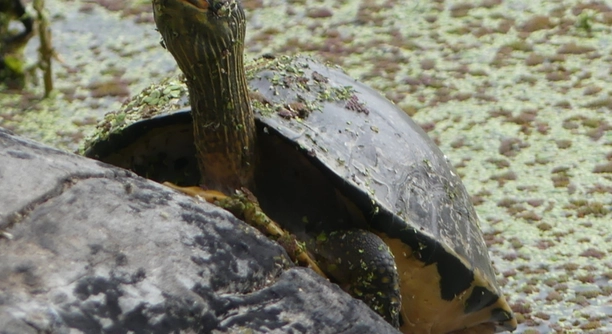
Getting your Indian Roofed Tortoise to eat can be tricky at times, especially if it’s not interested in its food. It’s common for tortoises to have periods of finicky eating habits. Understanding how to encourage your pet to eat properly is important for its health.
To encourage an Indian Roofed Tortoise to eat, provide a variety of fresh, leafy greens, fruits, and occasional protein sources. Offering food in a consistent, comfortable environment can also help stimulate its appetite. Make sure to avoid overfeeding or giving foods that may upset its stomach.
With the right environment and feeding techniques, your tortoise can enjoy its meals more consistently. Keep reading for seven simple tricks that will help your tortoise develop healthier eating habits.
Offer a Variety of Foods
If your Indian Roofed Tortoise is being picky about its food, it may simply need more variety. Offering different types of fresh greens like dandelion leaves, collard greens, and kale can appeal to your tortoise’s taste. Adding in fruits such as strawberries or melon can also be a good option, but be careful not to overdo it with sugary fruits. Occasionally, you can introduce small amounts of protein, like boiled eggs or earthworms. This variety will keep your tortoise interested in its meals and provide essential nutrients.
The key to keeping a tortoise interested in its food is switching things up. Offer different textures and flavors to encourage exploration of new food options. A combination of greens, fruits, and protein sources can stimulate their appetite.
If you notice that your tortoise consistently refuses a certain type of food, try offering it again at a different time or in a new way. Tortoises can be quite particular, so patience is necessary when introducing new food items.
Create a Comfortable Eating Environment
The environment in which your tortoise eats can impact its appetite. Make sure your tortoise’s eating area is quiet and free from distractions. Placing the food in a designated, clean spot can signal to your tortoise that it’s mealtime. It’s essential to also keep the food fresh and free from contaminants. Clean the food bowl regularly to maintain hygiene and ensure that your tortoise is eating in a safe, comfortable space.
A well-kept and calm environment can reduce any stress factors that might make your tortoise reluctant to eat. Avoid disturbing your pet while it’s eating, and give it enough space to feel comfortable.
Sometimes tortoises can become stressed due to environmental factors, such as excessive noise or poor lighting. Ensuring that the habitat is not too hot or too cold can also help maintain your tortoise’s appetite. A steady, comfortable environment encourages regular eating and improves overall health.
Maintain Consistent Feeding Schedules
Keeping a consistent feeding schedule helps your tortoise anticipate when food will be provided. It’s important to offer food at the same time each day, ideally when your tortoise is most active. A regular routine makes it easier for your pet to settle into healthy eating habits and prevents unnecessary stress from irregular feeding times.
If your tortoise doesn’t eat during the first attempt, try offering food again later in the day. You can also give your tortoise a few minutes of quiet time before placing food in its enclosure. Some tortoises might need a little extra time to feel comfortable and relaxed before eating.
It’s important not to rush the process. Be patient with your tortoise as it adjusts to the routine, and monitor its eating habits to ensure it’s eating enough. Over time, you’ll notice patterns that can help you adapt feeding times to suit your tortoise’s preferences.
Add Calcium and Vitamin Supplements
Adding calcium and vitamin supplements to your tortoise’s diet can encourage better health and eating habits. Many tortoises can benefit from a calcium supplement, especially if they are not consuming enough natural sources like dark leafy greens. Vitamin supplements can help with overall growth and energy levels.
To introduce these supplements, you can lightly dust your tortoise’s food with a powdered supplement or mix it into its greens. Be sure not to over-supplement, as too much of certain vitamins or minerals can be harmful. Consult a vet if you are unsure about the right amount of supplementation.
Supplements help fill any nutritional gaps in your tortoise’s diet, ensuring it’s getting everything it needs to thrive. With proper supplementation, your tortoise will have the energy and strength it needs to enjoy its meals, leading to more consistent eating habits and improved health overall.
Offer Foods in Different Forms
Sometimes, changing the form of food can help spark your tortoise’s interest. You can try offering leafy greens in different shapes, like tearing them into smaller pieces or serving them whole. This slight variation can make the food more appealing and encourage your tortoise to eat.
Another option is to try offering vegetables or fruits in different textures. For example, try offering both fresh and dried versions of fruits to see which one your tortoise prefers. A simple change in the food’s presentation can make a big difference in your pet’s eating habits.
Experimenting with food forms and textures can lead to discovering what your tortoise likes best. Over time, you’ll notice which types of food and presentation methods it responds to most, helping you tailor the meals for better success.
Keep the Food Clean
Ensure that the food provided to your tortoise is clean and free from pesticides or contaminants. Washing vegetables thoroughly before serving them helps prevent harmful substances from affecting your tortoise’s health. Always rinse fruits and greens to eliminate any chemicals or dirt that may have been left behind.
Cleaning your tortoise’s food also prevents any buildup of bacteria or mold, which can discourage your pet from eating. Keeping food fresh and sanitized is an easy way to improve your tortoise’s eating habits and overall health.
Provide a Stress-Free Environment
Your tortoise may refuse food if it feels stressed or uncomfortable in its environment. Keeping its enclosure quiet, clean, and calm is essential to create a space where your tortoise can feel safe. A stress-free environment helps your tortoise feel secure enough to eat without distractions.
FAQ
Why is my Indian Roofed Tortoise not eating?
There are a few reasons why your tortoise might not be eating. Stress is one common factor; environmental changes or loud noises can cause your tortoise to feel uneasy and lose its appetite. Temperature can also play a role—if it’s too cold or too hot, it may reduce your tortoise’s desire to eat. Additionally, a lack of variety in the diet can make your tortoise lose interest in food. It’s essential to create a comfortable, calm environment and provide a mix of fresh food to encourage eating.
How can I tell if my tortoise is sick and not just picky?
If your tortoise refuses food for a prolonged period, it could be a sign of illness. Look for other symptoms, such as lethargy, abnormal behavior, or changes in its shell and skin. A healthy tortoise should be active, alert, and eating regularly. If your tortoise is showing signs of illness, it’s best to consult a vet to rule out health issues.
Can I feed my tortoise fruit every day?
While fruit is a great treat, it should not be given daily. Fruit is high in sugar, which, if fed too often, can cause digestive issues and an imbalance in your tortoise’s diet. Offering fruit once or twice a week as a supplement to its regular greens and vegetables is a healthy approach. Always ensure you provide a variety of foods to maintain a balanced diet.
Should I feed my tortoise in the morning or evening?
Tortoises are diurnal, meaning they are active during the day. It’s best to feed them in the morning when they are most active and likely to eat. If your tortoise doesn’t eat during the day, try again in the late afternoon, but avoid feeding it late at night, as it may affect its sleeping schedule.
How often should I feed my Indian Roofed Tortoise?
Young tortoises need to be fed daily, while adult tortoises can be fed every other day or 3-4 times a week. Overfeeding can lead to obesity, so it’s important to offer the right amount of food based on age and size. You should monitor your tortoise’s eating habits to ensure it is getting the proper nutrition without being overfed.
What should I feed my Indian Roofed Tortoise?
An Indian Roofed Tortoise thrives on a diet of leafy greens, such as dandelion leaves, collard greens, and kale. You can also offer them vegetables like squash, bell peppers, and carrots. Fruits like strawberries, melons, and papayas are good occasional treats. Be sure to provide fresh water every day and avoid feeding them foods that are high in oxalates, like spinach, as it can interfere with calcium absorption.
Can I feed my tortoise cooked food?
While tortoises generally eat raw foods, occasional cooked foods like boiled eggs or steamed vegetables can be offered. However, these should not be the main part of their diet. Raw greens and vegetables provide more essential nutrients and fiber. It’s crucial to avoid giving your tortoise processed or seasoned foods, as they can upset its digestive system.
How do I know if my tortoise is dehydrated?
Signs of dehydration in a tortoise include dry, sunken eyes, lethargy, and a lack of appetite. The skin may appear loose or wrinkled, and your tortoise may not be as active as usual. If you suspect dehydration, offer fresh water immediately and consider giving your tortoise a bath to help hydrate it. Dehydration can lead to serious health problems, so it’s important to address it quickly.
Is it okay to let my tortoise roam around the house?
Allowing your tortoise to roam outside its enclosure can be a good way for it to get exercise, but there are some risks. Make sure the area is safe, free from hazards like sharp objects or electrical cords. Always supervise your tortoise to ensure it doesn’t wander into areas where it might get injured or lost. It’s also important to ensure the space is at the right temperature and humidity level for your tortoise’s needs.
Can I feed my tortoise lettuce?
Lettuce, especially iceberg lettuce, should be avoided as it offers little nutritional value and can cause digestive issues. Instead, offer dark leafy greens like kale, mustard greens, and dandelion leaves. These provide more vitamins and minerals that your tortoise needs for a healthy diet.
How do I make my tortoise eat more?
If your tortoise is being picky, try offering a variety of foods to see what it likes best. Mix up the textures by tearing the greens into smaller pieces, offering some food fresh and some dried. Make sure your tortoise’s habitat is comfortable and quiet, and keep the food clean. You may also try feeding it at different times of the day, especially during its active periods. Avoid overfeeding, as it can cause lethargy and discourage eating.
Final Thoughts
Encouraging an Indian Roofed Tortoise to eat can require some patience and understanding, but with the right approach, it becomes easier over time. Ensuring a variety of fresh foods and offering them in different forms can help spark your tortoise’s interest. Introducing different textures and flavors in their meals can also prevent boredom and encourage them to eat. Tortoises are naturally curious, so giving them a little variety can go a long way in making mealtime more enjoyable. Providing a steady routine also helps by setting expectations, allowing your tortoise to know when food will be available.
Along with providing fresh food, it’s equally important to maintain a stress-free and comfortable environment for your tortoise. The right temperature, quiet surroundings, and a clean feeding area will encourage your tortoise to feel safe enough to eat. Keeping its enclosure clean and free of distractions makes a big difference in its willingness to eat. A tortoise’s health can be significantly impacted by its environment, so taking steps to reduce stress can make all the difference. A little extra care in managing its habitat will create the ideal space for your tortoise to thrive.
Lastly, don’t forget to monitor your tortoise’s health and eating habits. If you notice any signs of illness, such as lethargy or a lack of appetite, it’s best to consult with a vet. While picky eating is common, sudden or prolonged food refusal could indicate a more serious issue. Regular checkups with a reptile vet ensure your tortoise’s diet and overall well-being are on track. By staying consistent with feeding schedules, offering the right food, and maintaining a comfortable living environment, your tortoise will have the best chance to thrive.

Hello,
If you enjoy the content that we create, please consider saying a "Thank You!" by leaving a tip.
Every little bit helps us continue crafting quality advice that supports the health, happiness, and well-being of pets around the world, for pets of all shapes, sizes, and species.
We really appreciate the kindness and support that you show us!