
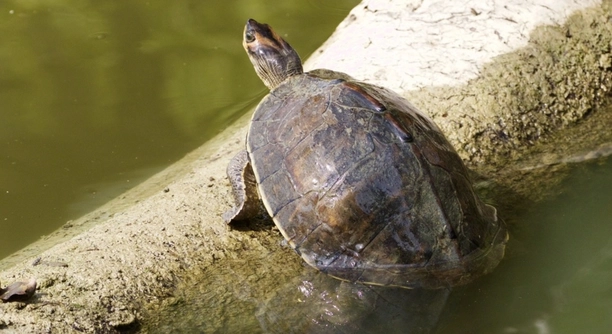
An Indian Roofed Tortoise can sometimes show signs of bloating, and it’s important to understand why this happens. A bloated tortoise may seem concerning, but identifying the cause can lead to better care and support for your pet.
The primary causes of bloating in Indian Roofed Tortoises often include overfeeding, improper diet, or digestive issues. Sometimes, stress or even a bacterial infection may also contribute to the problem. Identifying the cause early can help you treat it effectively.
Understanding what could lead to bloating in your tortoise will help you prevent future health issues and keep your pet comfortable.
Overfeeding Can Lead to Bloating
Overfeeding is one of the most common reasons for bloating in Indian Roofed Tortoises. These tortoises have slow metabolisms and require a balanced diet in moderate amounts. Giving them too much food, especially high-protein or fatty foods, can cause their digestive systems to struggle, leading to bloating. This can create discomfort and may even result in health problems if left unchecked.
The key is to feed them the right portion sizes. Offer vegetables, leafy greens, and some fruits in amounts that align with their size and age. Avoid feeding them too frequently, as it can overwhelm their digestive system.
When feeding your tortoise, portion control is important. Too many high-calcium or fatty foods can also affect digestion, causing swelling or bloating. Consistency in feeding helps prevent this problem. Keep in mind that overfeeding can lead to obesity as well, which complicates the situation even more. Watch your tortoise’s behavior and overall health to determine if you’re feeding them the right amounts.
Stress Can Impact Their Digestion
Stress is another factor that can lead to bloating in your tortoise. Stress from handling, loud noises, or sudden environmental changes can disrupt their digestive system.
When your tortoise feels stressed, it can have a negative effect on their digestion, causing them to become bloated. Make sure their living space is quiet, calm, and comfortable. Ensure they have proper hiding spots and a stable environment.
Improper Diet Choices
An improper diet can directly lead to bloating in your Indian Roofed Tortoise. Foods like high-protein or fatty items can cause digestive issues, which may result in bloating. It’s important to focus on their natural diet, consisting mainly of vegetables and leafy greens. Offering variety is fine, but the proportions matter.
In addition to improper food choices, overfeeding certain vegetables, like spinach or lettuce, may lead to digestive discomfort. Too much fiber or moisture from these foods can overwhelm their stomachs. It’s important to maintain balance and make sure the diet doesn’t consist mostly of high-water content veggies that could irritate the digestive tract.
Monitor the food your tortoise eats regularly. Introduce new foods slowly and make sure any dietary changes are done gradually to avoid upsetting their system. If bloating persists, review their food intake carefully and consider reducing the amount of high-moisture vegetables and high-fat items.
Lack of Proper Hydration
Hydration is crucial for your tortoise’s digestive health. If they aren’t drinking enough water, it can lead to constipation or bloating. Make sure clean water is always available for your tortoise, preferably in a shallow dish. If you notice that your tortoise is not drinking enough, try adding water-rich vegetables to their diet.
A dehydrated tortoise may not be able to process their food correctly, leading to a slower digestive process and potential bloating. Keep in mind that humidity plays a role as well, especially if your tortoise is kept in a dry environment. You may need to increase humidity levels to help your tortoise stay hydrated, as dry conditions can worsen bloating.
Ensure your tortoise’s habitat is well-maintained, providing not just fresh water but also proper humidity. Regularly check their water bowl to ensure they are drinking enough and monitor their overall health to catch any signs of dehydration early. This will help prevent bloating caused by lack of hydration.
Inadequate Space
When your tortoise doesn’t have enough space, it can lead to stress and digestive issues, which may contribute to bloating. A cramped living area restricts movement and encourages unhealthy behaviors. Make sure your tortoise has enough room to roam freely and maintain a healthy lifestyle.
A proper-sized enclosure provides room for your tortoise to explore, eat, and exercise. If the enclosure is too small, they might become stressed or inactive, leading to digestive discomfort and bloating. An ideal space will support their physical needs and keep them calm, which helps prevent stress-induced bloating.
Infections and Health Conditions
Bacterial infections or other health conditions may also cause bloating. If your tortoise develops an infection in the digestive tract, it can lead to swelling and discomfort. Early signs may include lethargy, poor appetite, or unusual behavior. Seek veterinary care if you suspect an infection.
Infections can sometimes be overlooked because symptoms develop slowly. Watch your tortoise for any sudden changes in behavior or eating habits. If you notice any unusual signs, it’s crucial to consult a veterinarian for diagnosis and treatment. Treating underlying infections quickly can prevent complications like bloating.
FAQ
What are the signs that my Indian Roofed Tortoise is bloated?
A bloated tortoise may show visible signs like a swollen or distended belly. You may notice them becoming more lethargic or eating less than usual. In some cases, bloating can be accompanied by changes in their behavior, such as being less active or hiding more often. It’s important to monitor your tortoise closely for any abnormal behavior and take note of changes in their appearance or habits. If bloating lasts more than a day or worsens, it’s best to consult with a veterinarian for advice.
How can I prevent bloating in my Indian Roofed Tortoise?
Preventing bloating is mainly about providing a balanced diet, proper hydration, and adequate space. Feed your tortoise the right portions, focusing on a variety of leafy greens and vegetables. Avoid overfeeding them, and make sure they have fresh water available at all times. Also, ensure they have enough room to move around, as inactivity can contribute to digestive issues. Keep their habitat clean and well-maintained to avoid any health risks, and monitor their behavior closely to address any changes quickly.
What should I feed my Indian Roofed Tortoise to avoid bloating?
To avoid bloating, feed your tortoise a diet mainly consisting of leafy greens like dandelion leaves, collard greens, and mustard greens. You can also add small amounts of other vegetables like squash or bell peppers. Avoid foods that are high in protein or fat, such as meat or commercial pellets with a lot of additives. Keep in mind that too much fruit or high-water content veggies can also cause issues. Portion control is important – overfeeding any food can lead to digestive discomfort.
How do I know if my tortoise’s bloating is caused by an infection?
If your tortoise is bloated and shows signs like lethargy, loss of appetite, or changes in its usual behavior, an infection could be the cause. Infections can cause internal swelling and discomfort, which may lead to bloating. Bloating caused by infection is often accompanied by more serious signs like watery stools, nasal discharge, or difficulty moving. If you suspect an infection, it’s best to take your tortoise to the vet for proper diagnosis and treatment. Early intervention can prevent further complications.
Can stress cause my tortoise to become bloated?
Yes, stress can contribute to digestive problems, including bloating. Indian Roofed Tortoises are sensitive to changes in their environment. If they experience too much handling, loud noises, or changes in temperature, it can cause stress that affects their digestion. When stressed, they may stop eating properly or experience slower digestion, leading to bloating. To prevent this, create a calm and stable environment for your tortoise. Ensure that their enclosure is in a quiet area, free from sudden disturbances, and provide a consistent temperature and humidity level.
What is the best way to hydrate my Indian Roofed Tortoise?
Make sure your tortoise has access to clean, fresh water at all times. You can place a shallow dish in their enclosure, ensuring it’s easy for them to reach. If your tortoise isn’t drinking enough, you can try offering water-rich foods like cucumber, watermelon, or leafy greens with high moisture content. Occasionally soaking your tortoise in shallow water for 10-15 minutes can also help with hydration. Just make sure the water is not too deep and that your tortoise can easily exit the water to avoid stress or drowning.
Can overfeeding cause long-term health problems in my tortoise?
Yes, overfeeding can lead to long-term health problems in your tortoise, including obesity, bloating, and digestive issues. When a tortoise eats more than it needs, it can cause weight gain, which puts extra strain on its body and can lead to other health complications like joint stress. Additionally, overfeeding can disrupt the digestive process and cause discomfort or bloating. It’s important to feed your tortoise the right amount of food, depending on its age and size. Portion control and balanced nutrition are key to their long-term health and well-being.
What should I do if my tortoise’s bloating doesn’t go away?
If your tortoise’s bloating persists for more than a day or worsens, it’s essential to seek veterinary care. Continued bloating can be a sign of an underlying health issue such as infection, dehydration, or digestive problems. A vet will be able to examine your tortoise, perform necessary tests, and provide appropriate treatment. Early diagnosis and treatment are crucial to prevent further complications and ensure your tortoise recovers quickly.
Can I treat my tortoise’s bloating at home?
While mild bloating might improve on its own with diet and hydration adjustments, more severe cases require veterinary attention. If your tortoise is mildly bloated, you can start by reviewing their diet, ensuring they have adequate water, and providing a stress-free environment. Make sure they have room to move and that their habitat is clean. However, if the bloating persists or is accompanied by other concerning symptoms, it’s best to take your tortoise to the vet for a proper diagnosis and treatment. Never attempt to diagnose or treat serious health conditions without professional guidance.
Final Thoughts
Bloating in an Indian Roofed Tortoise can be a sign of various issues, from overfeeding to stress or even infections. Understanding the root cause of bloating is important for addressing it properly. When your tortoise shows signs of bloating, it’s essential to take action quickly to help them feel better and avoid further complications. This might include adjusting their diet, ensuring they have access to clean water, and keeping their environment calm and spacious. Regularly monitoring your tortoise’s behavior and health is key to spotting potential problems early on.
If you notice your tortoise becoming lethargic, eating less, or showing other signs of discomfort, it’s important to investigate possible causes, such as stress, poor diet, or hydration issues. In some cases, bloating can be a sign of an underlying infection or digestive problem that requires professional care. A vet can help diagnose and treat the condition effectively, so if your tortoise’s bloating doesn’t improve after a day or worsens, don’t hesitate to seek medical attention. The sooner you address the issue, the better the chances are for a quick recovery and your tortoise’s long-term health.
Preventing bloating involves creating a stable, stress-free environment and feeding your tortoise the right foods in proper portions. Offering a balanced diet with plenty of leafy greens and ensuring your tortoise has enough space to move around are key factors in keeping them healthy. Keeping their habitat clean and monitoring hydration levels will also help prevent digestive issues. By following these guidelines and paying attention to their health, you can help your tortoise avoid bloating and lead a comfortable life.

Hello,
If you enjoy the content that we create, please consider saying a "Thank You!" by leaving a tip.
Every little bit helps us continue crafting quality advice that supports the health, happiness, and well-being of pets around the world, for pets of all shapes, sizes, and species.
We really appreciate the kindness and support that you show us!