
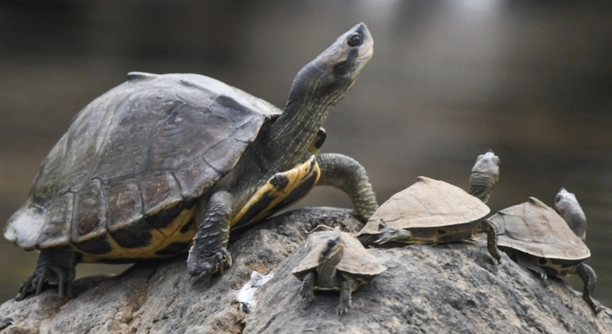
Indian roofed tortoises are known for their beautiful, hard shells. However, sometimes their shells can grow unevenly, which may cause concern for their owners. Understanding why this happens can help ensure your tortoise stays healthy.
Uneven shell growth in Indian roofed tortoises is often caused by improper diet, insufficient UVB light, or poor habitat conditions. These factors disrupt the natural growth patterns of their shells, leading to deformities or uneven development.
Understanding these factors can help you take the necessary steps to prevent shell issues. By adjusting their care routine, you can help maintain your tortoise’s health and shell growth.
Improper Diet and Nutrition
A balanced diet is essential for your Indian roofed tortoise’s health, including the proper growth of its shell. If their diet lacks key nutrients, such as calcium and vitamin D3, the shell can develop unevenly. In the wild, these tortoises naturally get the nutrients they need from a variety of plants and sunlight. However, in captivity, it’s up to you to provide the right foods. Without these, the tortoise’s shell may become brittle, soft, or grow in a way that isn’t symmetrical. Over time, this can affect their mobility and overall well-being.
Calcium is especially crucial for shell growth. Without it, the shell may not harden properly, leading to deformities. Offering a mix of leafy greens, grasses, and other vegetation can help. Calcium supplements or crushed cuttlebone can also be added to their diet to ensure they receive the necessary nutrients.
If you notice uneven shell growth, check your tortoise’s diet. Look for any missing vitamins or minerals that may be causing the problem. Adjusting their meals can make a significant difference in shell health.
UVB Lighting and Shell Development
Proper UVB lighting plays a major role in shell health. Without adequate UVB exposure, tortoises can’t synthesize vitamin D3, which is necessary for calcium absorption. This can lead to shell deformities.
UVB lights should be used for 10-12 hours daily, placed within 12 inches of your tortoise’s basking spot. Too little exposure can cause malnutrition, even if they are eating a balanced diet. Be sure to replace UVB bulbs regularly, as they lose effectiveness over time.
Not only does UVB light support shell growth, but it also boosts your tortoise’s immune system and helps with digestion. It’s vital to provide this light source for the overall health of your tortoise.
Inadequate Habitat Conditions
If your tortoise’s living space isn’t suitable, their shell may not grow properly. Inadequate humidity, poor temperature regulation, or overcrowding can lead to stress, which affects their overall development. You need to ensure they have the right environment to thrive.
Your tortoise should have access to a basking spot with a temperature around 85-95°F and a cooler area to retreat to. Humidity levels should be balanced, typically between 50-60%. Without the right environment, their body and shell may struggle to grow as they should. Make sure the habitat is spacious and comfortable.
Stress from a cramped or improperly maintained environment can disrupt the growth of their shell. Additionally, improper humidity can affect how the tortoise sheds its scutes, leading to uneven shell growth. Creating an environment that meets your tortoise’s natural needs will help prevent these issues from occurring.
Health Problems and Shell Growth
Health issues such as infections or parasites can disrupt normal shell growth. If your tortoise is not feeling well, it may not eat properly, which affects its ability to get the nutrients needed for shell development.
A common issue is respiratory infections, which can impact their appetite and overall energy. This can lead to an imbalance in their nutrition and cause the shell to grow unevenly. Regular vet checkups will help catch any underlying health issues early, before they become serious.
Parasites are another concern, as they can steal nutrients from your tortoise. An unhealthy tortoise that is dealing with these issues may also show signs of an unevenly growing shell. Keep an eye on your tortoise’s behavior and health so you can address any problems before they worsen.
Shell Rot and Injuries
Shell rot can cause uneven shell growth. It happens when bacteria or fungi invade the shell, leading to soft, discolored areas. If left untreated, it can worsen and impact the shell’s growth pattern. Make sure your tortoise’s shell remains clean and dry to prevent infections.
Injuries can also affect shell growth. A cracked or damaged shell will heal, but it may not grow as evenly as before. Regularly check your tortoise for any signs of injury, like cracks or scutes that appear damaged. Early treatment is important to prevent long-term issues with shell development.
Lack of Exercise
Your tortoise needs space to move around and exercise. Without enough room to roam, their muscles may not develop properly, leading to uneven shell growth. It’s important to allow your tortoise to explore a safe area regularly.
Exercise also helps your tortoise maintain a healthy weight and supports their overall development. If they don’t have the ability to move freely, it could slow down their shell growth and lead to imbalances. Providing enough space for exercise is essential for their physical health.
Age and Growth Cycle
As your tortoise grows, it’s normal for their shell to go through different phases of development. Young tortoises, especially, may experience uneven growth as their bodies adjust to their changing size. Over time, the shell should grow in a more even way.
Shell growth is influenced by factors like diet and environment. As your tortoise matures, changes in their shell may naturally occur. It’s important to keep an eye on their overall health and make adjustments if needed. Sometimes, irregular growth can be part of their normal development cycle.
FAQ
Why is my tortoise’s shell growing in an uneven way?
Uneven shell growth is usually caused by poor diet, inadequate UVB light, or unsuitable habitat conditions. Without enough calcium, vitamin D3, or proper light, the shell may not grow symmetrically. Stress from overcrowded or improperly maintained environments can also affect shell development. Ensuring your tortoise has access to balanced nutrition, appropriate lighting, and enough space will help promote healthy shell growth.
Can a tortoise’s shell fix itself if it grows unevenly?
In some cases, your tortoise’s shell can adapt over time if given the proper care, but it depends on the severity of the unevenness. Small irregularities may correct themselves with the right diet, UVB exposure, and environment. However, if the shell has severe deformities or was caused by injury or infection, a veterinarian’s help might be necessary for proper healing.
How can I prevent my tortoise’s shell from growing unevenly?
Ensure your tortoise gets a proper diet rich in calcium and vitamin D3. Provide a habitat with the right temperatures, humidity, and UVB lighting. Give your tortoise enough space to move around, exercise, and stay active. Regularly check their shell for signs of damage, infection, or other issues, and address them promptly.
Should I be concerned if my tortoise’s shell grows slowly?
If your tortoise’s shell is growing slowly but steadily, it may not be a cause for concern. Shell growth can vary depending on the tortoise’s age, diet, and environmental factors. However, if there’s a noticeable delay or the shell growth seems stunted, it could indicate an issue with their diet, health, or habitat. A visit to the vet can help identify any underlying problems.
How can I make sure my tortoise gets enough calcium for healthy shell growth?
To ensure your tortoise gets enough calcium, provide calcium-rich foods like dark leafy greens (e.g., kale, collard greens), dandelion greens, and certain flowers. You can also add a calcium supplement or crushed cuttlebone to their diet. Offering these in combination with proper UVB lighting helps the tortoise absorb calcium effectively, which is crucial for shell development.
What are the signs that my tortoise has shell rot?
Signs of shell rot include soft, discolored areas on the shell, often accompanied by a foul smell. The affected areas may appear blackened, wet, or even have visible holes. If you suspect shell rot, it’s important to clean and dry the affected area carefully and take your tortoise to the vet as soon as possible for treatment.
Can a tortoise’s shell grow back after an injury?
If your tortoise sustains a minor injury to its shell, it can heal over time, but it may not grow back perfectly. The shell will gradually repair itself, but depending on the severity of the injury, there may be some unevenness in growth. More serious injuries might require medical attention to prevent infection or further damage.
What type of UVB lighting is best for my tortoise?
The best UVB lighting for your tortoise is a bulb that emits a spectrum similar to natural sunlight. A 5.0 to 10.0 UVB bulb is ideal, placed about 12 inches from your tortoise’s basking spot. These bulbs should be replaced every 6 to 12 months, even if they still appear to work, as their UVB output decreases over time.
How often should I take my tortoise to the vet?
You should take your tortoise to the vet for an annual checkup to ensure overall health. If you notice any signs of illness, shell issues, or behavior changes, it’s a good idea to schedule a visit sooner. Regular vet visits help catch any health problems early, preventing them from becoming serious.
Why does my tortoise’s shell feel soft?
A soft shell is often a sign of calcium deficiency or a lack of UVB light, both of which are essential for proper shell development. Inadequate nutrition or environmental conditions can weaken the shell and make it more susceptible to deformities or infections. Ensure that your tortoise has a proper diet, UVB exposure, and a suitable habitat to avoid this issue.
How do I know if my tortoise is getting enough exercise?
Tortoises are naturally active creatures and need plenty of space to roam. If your tortoise has a large enough enclosure where they can move around freely, that’s a good sign they’re getting enough exercise. If they seem lethargic or are staying in one spot too often, it could indicate that they need more room or stimulation. A tortoise that exercises regularly will be healthier, and their shell will grow evenly.
Final Thoughts
Taking care of an Indian roofed tortoise and ensuring its shell grows properly requires attention to several factors. A proper diet, adequate UVB lighting, and a suitable habitat are the building blocks for healthy shell growth. Calcium and vitamin D3 are particularly important for shell development, and if these are lacking, you might notice uneven growth or deformities. Without the right light, your tortoise won’t be able to absorb the calcium properly, which can cause long-term issues. By making sure your tortoise gets a balanced diet and the correct environmental conditions, you help set the foundation for healthy shell development.
It’s also important to keep an eye on any potential health issues. If your tortoise shows signs of shell rot, injury, or infection, it’s crucial to address them early. A small issue can quickly turn into something more serious if ignored. Regular checkups with a vet will help catch any problems that could affect your tortoise’s shell growth or overall well-being. Even without obvious signs of illness, a vet visit every year can help maintain your tortoise’s health. Remember that tortoises are long-lived animals, and maintaining good health now can ensure they live a long and happy life.
In the end, creating a safe, comfortable, and healthy environment for your tortoise is key. Shell issues like uneven growth don’t always have an immediate fix, but with proper care, many problems can be prevented or managed over time. By paying attention to diet, light, space, and overall health, you’re giving your tortoise the best chance for healthy growth. As you continue to care for your tortoise, it will thank you with its growth, activity, and well-being. Healthy habits will lead to a happy tortoise and a well-developed shell.

Hello,
If you enjoy the content that we create, please consider saying a "Thank You!" by leaving a tip.
Every little bit helps us continue crafting quality advice that supports the health, happiness, and well-being of pets around the world, for pets of all shapes, sizes, and species.
We really appreciate the kindness and support that you show us!