
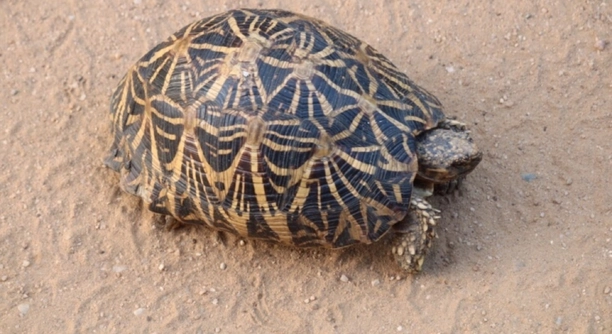
Turtles are fascinating creatures, but caring for them can sometimes raise unexpected questions. One common concern among turtle owners is noticing their turtle’s shell remains wet even when basking. Understanding this issue is important for proper turtle care.
The main reason your turtle’s shell remains wet while basking is due to the natural behavior of shedding water from its skin and shell. This moisture helps maintain proper hydration and temperature regulation, essential for their health and comfort.
There are several factors that contribute to this phenomenon, and knowing the details can help ensure your turtle’s well-being while also addressing any potential concerns you may have.
Why Do Turtles Shed Water?
Turtles are known to bask in the sun to regulate their body temperature, but during this time, their shell may still appear wet. This is completely normal and often caused by the water they shed from their skin. While basking, your turtle might excrete small amounts of water from its pores to help keep its body cool and maintain the moisture level needed to prevent dehydration. This process helps ensure their skin remains hydrated and their temperature is regulated properly. It’s an instinctive behavior that comes naturally to turtles, especially in the warm sun.
Their moist shells can sometimes be mistaken for a sign of illness or improper care, but this is rarely the case. In fact, it’s a healthy part of their routine. As long as your turtle has access to a clean, humid environment, shedding water while basking is a perfectly normal action.
Understanding how and why this happens can provide peace of mind. It’s important to know that a turtle’s behavior can vary based on temperature, humidity, and even the time of day.
Temperature and Humidity’s Impact on Your Turtle
Turtles rely heavily on their environment to maintain the right balance of hydration and temperature. When the temperature is too hot or too cold, they may excrete more moisture to regulate their body heat. The humidity level in the tank also plays a key role in moisture retention. Too much humidity can cause excessive moisture buildup, while too little can lead to dehydration.
Proper setup is crucial for your turtle’s health. Having a warm basking area alongside a cooler part of the tank allows your turtle to regulate its body temperature naturally. A well-maintained tank with proper humidity will keep your turtle comfortable. If the tank is too dry, your turtle may shed more water than usual, trying to maintain balance.
By making small adjustments to temperature and humidity, you can ensure your turtle’s shell stays healthy and its moisture level remains in check. This is a simple yet vital step in preventing any health concerns related to hydration.
Why This Is Not a Health Issue
It’s easy to worry when something doesn’t seem quite right with your turtle, especially if their shell remains wet while basking. However, this behavior is typically not a sign of a health problem. Turtles are naturally equipped to shed moisture from their skin, a process that helps keep their body temperature in check. Even though it might look unusual, it’s just part of how they maintain balance in their environment.
If you notice your turtle shedding an unusual amount of water or appearing excessively wet, you should check the humidity and temperature in their tank. As mentioned earlier, turtles rely on their surroundings to stay hydrated. In some cases, if the environment isn’t quite right, they might overcompensate and excrete more moisture than necessary. However, this is still not usually a cause for concern.
What matters most is creating a stable environment for your turtle. Ensuring they have the proper warmth, light, and humidity will keep their shedding behavior in balance, allowing them to thrive in your care.
Basking Behavior and Shell Moisture
When your turtle basks, it’s not just about getting warmth from the sun. This behavior helps regulate their overall body functions, including moisture levels. The heat encourages them to shed excess water, which keeps their skin and shell from becoming too dry. It’s a way for your turtle to stay balanced, ensuring they maintain the right level of hydration.
Over time, this shedding becomes a natural part of their routine. As they bask in a warm spot, the moisture evaporates from their skin and shell, helping to avoid any discomfort caused by excess humidity. This process is normal, and as long as your turtle isn’t showing signs of stress, it means their system is functioning properly.
Maintaining a proper basking spot is key. If the spot is too cold or too hot, the moisture shed might not help with their hydration levels as intended. Ensure that the basking area is well-regulated and suitable for your turtle’s needs.
Signs That It’s More Than Just Moisture
While wet shells can be completely normal during basking, there are cases when excessive moisture may indicate a more significant issue. If your turtle’s shell remains wet even when it’s not basking, or if there are other signs of discomfort, it could be a sign of an underlying problem. Look out for unusual behavior such as lack of movement, loss of appetite, or skin lesions.
It’s important to monitor your turtle’s condition closely, especially if the wetness is persistent and seems abnormal. Moisture buildup combined with lethargy or signs of illness should prompt a trip to the vet. In some cases, it could be linked to respiratory issues or skin infections, which need prompt attention.
Always be vigilant about changes in your turtle’s behavior and health. Regular check-ups and a balanced environment can help prevent or identify any potential issues early. Being proactive will keep your turtle happy and healthy in the long run.
How to Adjust Tank Conditions
A significant factor in maintaining your turtle’s shell moisture is the overall environment. Turtles thrive in tanks with balanced humidity and temperature. Too much moisture can lead to fungal or bacterial growth, while too little can cause dehydration. Adjusting these conditions will help your turtle maintain a healthy level of moisture on its shell.
To get the right balance, ensure that the tank has both a warm basking spot and a cooler area where your turtle can retreat when needed. Use a hygrometer to check the humidity levels regularly, aiming for around 70-80% humidity in the tank. This will help your turtle shed moisture naturally while keeping their skin and shell healthy.
If the humidity is too high, consider using a dehumidifier or adjusting water levels in the tank. Conversely, if the air is too dry, adding a water source or using a misting system can help regulate moisture levels. Always monitor your turtle’s reaction to changes, adjusting as necessary to keep them comfortable.
The Role of Diet in Shell Moisture
What your turtle eats can influence its overall health, including how much moisture its body retains. A balanced diet ensures proper hydration, making it easier for your turtle to regulate its body’s moisture. For example, leafy greens and fresh vegetables contribute to their fluid intake.
When turtles receive a diet rich in nutrients, it can help maintain their skin and shell health. While diet alone won’t completely affect the moisture levels on the shell, it certainly plays a part in keeping your turtle hydrated. Fresh fruits and vegetables, along with access to clean water, are vital.
Turtle Shell Maintenance and Care
Keeping your turtle’s shell in good condition requires more than just a healthy diet and environment. Regular cleaning of the shell helps prevent the buildup of bacteria, algae, and mold, which can lead to health issues. Be gentle while cleaning, using a soft brush to scrub away dirt.
It’s also important to regularly inspect the shell for any signs of damage, like cracks or soft spots. If you notice any abnormalities, it could indicate a problem that requires veterinary attention. Consistent care of your turtle’s shell will ensure it remains healthy and strong.
When to Seek Veterinary Help
If your turtle’s shell moisture is accompanied by abnormal behavior or signs of infection, such as swelling or an off-putting odor, it’s time to consult a vet. Keeping track of their health and shell condition is the key to early detection of any issues.
FAQ
Why is my turtle’s shell always wet, even when it’s not in the water?
If your turtle’s shell is wet even when it’s not swimming, it’s likely because of its natural shedding process. Turtles often excrete moisture from their skin and shell to stay hydrated, especially when basking in warm conditions. It’s their way of regulating body temperature and ensuring they don’t become too dry.
Is it normal for a turtle’s shell to remain wet after basking?
Yes, it’s normal. When turtles bask, the warmth helps them regulate their body temperature and moisture levels. The wetness comes from their natural shedding process. However, if the shell remains wet for too long or if there’s an unpleasant smell, it could indicate a health issue.
How can I tell if my turtle’s shell moisture is a sign of a health issue?
If the wetness on your turtle’s shell is excessive or accompanied by signs like swelling, redness, or unusual softness, it may be a sign of a problem. Additionally, if your turtle is lethargic, not eating, or has visible skin lesions, it’s time to consult a vet.
Should I be concerned if my turtle is always wet?
Generally, no. The wetness is often part of your turtle’s regular behavior. However, if the turtle seems uncomfortable, has changes in appetite or behavior, or has a shell that doesn’t dry out naturally, there could be a more serious issue at hand, like an infection or improper environment.
What is the proper humidity level for a turtle tank?
For most turtles, the humidity level should be between 70% and 80%. Too much humidity can cause fungal infections or mold growth, while too little can lead to dehydration. A humidity gauge (hygrometer) can help you maintain the right balance.
Can the water in my turtle’s tank cause the shell to stay wet?
Yes, the water in the tank can contribute to moisture levels. If the water is too dirty or stagnant, it can encourage bacteria or fungi, which might affect your turtle’s shell. Regular water changes and tank cleaning help prevent these issues and keep your turtle’s shell healthy.
How do I know if my turtle’s shell is properly hydrated?
You can check your turtle’s shell for dryness or cracking. A healthy, hydrated shell is smooth and firm. If the shell feels soft, scaly, or has noticeable cracks, it could mean that the turtle is not getting enough moisture. A well-maintained environment and proper diet help ensure hydration.
Can I use a misting system to help keep my turtle’s shell moist?
Yes, a misting system can help maintain the right humidity levels in the tank, which supports your turtle’s hydration. Just be sure not to overdo it. Too much moisture can lead to unwanted fungal growth or excessive shedding. A balanced system works best for your turtle’s health.
Is there a difference between a healthy wet shell and an unhealthy one?
Yes, there’s a difference. A healthy wet shell should naturally dry off after basking. An unhealthy shell may remain wet for too long, have unusual discoloration, or emit an unpleasant smell. If these symptoms are present, it could indicate infection or a need for a vet’s evaluation.
What should I do if my turtle’s shell looks slimy or has an unusual texture?
If your turtle’s shell looks slimy or feels soft, it could be a sign of an infection, fungal growth, or other health issues. Immediately check your turtle’s environment for issues with humidity or cleanliness. If the problem persists, seek veterinary assistance.
How can I help my turtle maintain a healthy, dry shell?
To maintain a healthy shell, ensure your turtle has a clean environment, with access to both a basking area and a cooler space. The basking spot should be warm but not overly hot, and humidity should be regulated. Regular cleaning and diet are also important to avoid excess moisture buildup.
Is it safe to let my turtle stay wet all the time?
While turtles can handle some moisture, staying wet all the time can cause problems. Over-hydration can lead to infections or shell rot, especially if the tank conditions aren’t ideal. Balance is key, and your turtle needs the opportunity to dry off when necessary.
How often should I clean my turtle’s shell?
Cleaning your turtle’s shell should be done regularly, but not too frequently. Once or twice a week is typically enough. Use a soft brush to gently scrub the shell, removing any dirt, algae, or debris. Avoid harsh chemicals or scrubbers, as they can damage the shell.
Can I use a heat lamp to help my turtle dry off?
Yes, a heat lamp can be used to help your turtle dry off after they’ve been in the water. However, make sure the lamp is placed at the right distance to avoid overheating your turtle. The basking area should be warm but not excessively hot to prevent dehydration.
What other factors can affect my turtle’s shell moisture?
Several factors can influence your turtle’s shell moisture, including diet, temperature, humidity, and overall tank conditions. If your turtle isn’t getting enough water or proper nutrition, it may become dehydrated. Additionally, improper lighting or inadequate basking spots can affect moisture retention.
Final Thoughts
Understanding why your turtle’s shell is often wet, even when it’s not in the water, is important for ensuring its health and well-being. The moisture is usually a natural part of their behavior, especially when they bask. Turtles are creatures that rely on their environment to regulate their body temperature and hydration. When they bask, the warmth helps them shed moisture, which can sometimes appear as wetness on their shell. This is normal and should not cause concern as long as your turtle is otherwise healthy.
However, it’s essential to monitor your turtle closely. If the shell remains unusually wet for long periods, or if you notice signs like changes in behavior, appetite, or the texture of the shell, it may indicate a deeper issue. Health concerns such as infections, dehydration, or environmental imbalances can sometimes present themselves through changes in shell moisture. Regularly inspecting your turtle and maintaining a clean, balanced environment is key to preventing potential problems. Having the right humidity, temperature, and access to fresh water plays a significant role in keeping your turtle’s shell healthy and preventing issues that could lead to excessive moisture buildup.
Ultimately, keeping your turtle comfortable and hydrated is the goal. By making sure their habitat is set up properly and observing their behaviors, you’ll be able to easily distinguish between normal shedding and signs of possible health problems. If you’re ever unsure, don’t hesitate to consult with a vet to ensure that your turtle is in good shape. A little attention to their needs and environment goes a long way in helping your turtle thrive and stay healthy.

Hello,
If you enjoy the content that we create, please consider saying a "Thank You!" by leaving a tip.
Every little bit helps us continue crafting quality advice that supports the health, happiness, and well-being of pets around the world, for pets of all shapes, sizes, and species.
We really appreciate the kindness and support that you show us!