
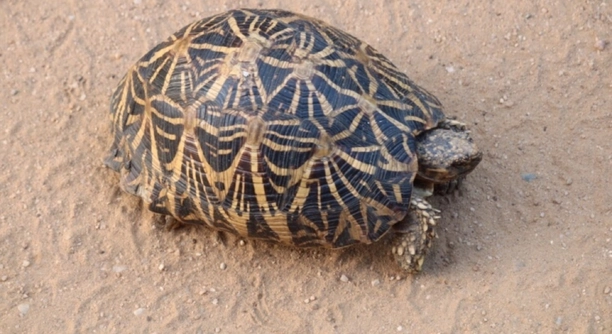
Turtles are fascinating creatures, but sometimes they may feel stressed. Understanding the signs of stress in your turtle can help you provide a more comfortable environment for them. It’s important to address this issue early.
Turtles can become stressed due to a variety of factors, including poor water conditions, lack of space, improper diet, and environmental disturbances. Identifying these stressors early can prevent long-term health issues and improve your turtle’s well-being.
Recognizing stress in your turtle is the first step. In the following sections, we’ll cover some common causes and solutions to help your turtle live a happier, healthier life.
Poor Water Quality
Water quality is one of the most common causes of stress in turtles. They thrive in clean, well-maintained environments. If their tank has high levels of ammonia, nitrates, or chlorine, it can lead to irritation and poor health. Regular water changes, cleaning the tank, and using water conditioners can help maintain a healthy environment for your turtle.
When the water isn’t clean, turtles may show signs of stress, such as reduced activity or erratic swimming. Keeping their living space fresh and clean will encourage them to move around comfortably and be more active.
To ensure water quality, it’s essential to monitor the temperature and pH levels regularly. A proper filtration system is also a key investment. A stable environment with clean water reduces the risk of stress-related behaviors and keeps your turtle healthy. Checking water parameters frequently will ensure that your turtle’s tank is a comfortable, safe space for them to thrive.
Lack of Space
Turtles need plenty of space to roam and explore. Keeping them in a cramped tank can quickly lead to stress. If your turtle doesn’t have enough room to move around or bask, it can cause frustration and even physical health issues.
A larger tank or enclosure is vital for their well-being. If your turtle is constantly confined, it may start to show signs like excessive hiding or a lack of interest in eating. Providing adequate space gives them the freedom to exercise, which is essential for their physical and mental health.
As your turtle grows, it’s important to increase the size of their tank. A general rule is to provide at least 10 gallons of water per inch of shell length. By offering enough space, you’ll help your turtle feel more secure and less stressed, ensuring they live a happier, healthier life.
Improper Diet
A poor diet can contribute significantly to stress in turtles. If they’re not getting the right balance of nutrients, it can lead to health problems, which may make them anxious or lethargic. Ensuring a diet with appropriate proteins, vegetables, and calcium is crucial.
Turtles need a varied diet to stay healthy. Offering a mix of leafy greens, fruits, and high-quality pellets ensures they’re getting the right vitamins and minerals. Avoid feeding them processed or low-nutrient foods, as this can lead to long-term health issues.
An improper diet can affect a turtle’s immune system, making them more susceptible to diseases and infections. Stress from nutritional deficiencies can also affect their growth and behavior. Providing a well-balanced diet will not only reduce stress but also promote better overall health and longevity for your turtle.
Environmental Disturbances
Environmental disturbances such as loud noises, bright lights, or changes in temperature can cause stress in turtles. These creatures prefer calm, stable environments, so it’s essential to limit exposure to sudden changes or disturbances.
Turtles may become anxious or agitated when their surroundings are too noisy or constantly changing. Keeping their tank in a quiet, stable area is essential for their comfort. Additionally, avoid moving their enclosure around frequently, as this can create unnecessary stress.
Turtles are sensitive to sudden temperature changes. Make sure their basking and swimming areas maintain a steady, appropriate temperature. If their environment is consistently disrupted, it can lead to chronic stress, affecting their appetite, behavior, and overall well-being. A peaceful, stable environment is key to keeping your turtle stress-free.
Illness or Injury
Illness or injury can cause a lot of stress for your turtle. When they’re not feeling well, their behavior can change drastically. It’s important to monitor them for signs of illness, such as lethargy or a lack of appetite.
If your turtle is sick or injured, they may hide more or avoid eating. Make sure to examine them for any physical injuries or signs of infection. If they seem off, it’s crucial to get them checked by a vet to address the issue.
A sick or injured turtle may also refuse to bask or swim, which is an indicator that something is wrong. Prompt treatment and a calm environment are necessary to help them recover quickly and reduce stress.
Inadequate Lighting
Proper lighting is essential for turtles, as it supports their overall health and helps them regulate their biological processes. Without the right type of light, turtles can become stressed, affecting their mood and behavior.
Turtles need both UVA and UVB light for proper metabolism, calcium absorption, and to maintain a natural day-night cycle. Without adequate UVB light, they can suffer from shell deformities and weakened bones. Make sure to provide the right type of light for at least 10-12 hours a day.
Turtles often rely on their basking area for warmth and light. A lack of this can cause them to feel cold and stressed. Using a combination of UVB lamps and basking lights will help create a balanced environment, ensuring your turtle stays healthy and stress-free.
FAQ
How can I tell if my turtle is stressed?
Signs of stress in turtles can vary, but common behaviors include hiding, lack of appetite, erratic swimming, and excessive basking. They may also become more aggressive or lethargic. If you notice these changes, it’s important to check their environment for possible stressors.
What are some common causes of stress for turtles?
Turtles can become stressed due to poor water quality, inadequate space, an improper diet, environmental disturbances, illness or injury, and lack of proper lighting. Each of these factors can negatively impact your turtle’s health and cause noticeable behavioral changes.
How can I reduce stress in my turtle’s environment?
To reduce stress, ensure your turtle has a clean tank with proper filtration, a consistent temperature, and the right amount of light. Provide enough space to move around and hide if necessary. Avoid loud noises or sudden changes in their environment.
Can stress affect my turtle’s health?
Yes, prolonged stress can weaken your turtle’s immune system, making them more susceptible to illness and infection. It can also affect their appetite and cause them to stop eating, leading to malnutrition. If not addressed, stress can result in long-term health problems.
Should I change my turtle’s water regularly?
Yes, changing your turtle’s water regularly is essential to prevent the buildup of harmful chemicals and bacteria. It’s best to change at least 25-50% of the water weekly, depending on the size of the tank and the number of turtles.
What kind of food should I feed my turtle?
Turtles need a balanced diet that includes a variety of proteins, vegetables, and calcium-rich foods. Offer leafy greens, such as collard greens or kale, along with occasional fruits. You can also provide high-quality pellets, but avoid processed or unhealthy foods.
How often should I feed my turtle?
The frequency of feeding depends on your turtle’s age and size. Young turtles generally need to be fed daily, while adults can be fed every other day. Always adjust portion sizes to prevent overfeeding or underfeeding, both of which can cause stress.
Can temperature affect my turtle’s stress levels?
Yes, temperature plays a big role in a turtle’s health and stress levels. Turtles need a warm basking area, with temperatures between 85-95°F, and cooler water temperatures between 75-80°F. Fluctuating temperatures or extreme conditions can cause stress and discomfort.
Why is my turtle hiding all the time?
Hiding can be a sign of stress, illness, or injury. If your turtle is hiding more than usual, check for potential environmental issues, such as water quality or temperature, that could be affecting them. If hiding continues, consider visiting a vet for an examination.
Can my turtle get too cold?
Yes, turtles can get too cold if they don’t have access to a proper basking area with sufficient heat. Cold temperatures can cause them to become lethargic or inactive, and prolonged exposure to cold can lead to serious health issues, such as respiratory infections.
What should I do if my turtle isn’t eating?
If your turtle stops eating, first check for any changes in their environment, such as water quality, temperature, or lighting. Stress, illness, or injury can also affect their appetite. If the issue persists for several days, it’s important to consult with a vet to rule out any medical problems.
Is it necessary to have UVB lighting for my turtle?
Yes, UVB lighting is crucial for your turtle’s health. It helps them produce vitamin D3, which is essential for calcium absorption and bone health. Without UVB light, turtles can develop metabolic bone disease, leading to deformities and other serious health issues.
How can I keep my turtle’s tank clean?
Regular cleaning is essential to maintain a healthy tank environment. Use a good filtration system to keep the water clean and change 25-50% of the water weekly. Also, remove uneaten food, debris, and any waste regularly to prevent water contamination.
Can I keep more than one turtle in the same tank?
It depends on the species and tank size. Some turtles are territorial and may become aggressive towards one another, especially if there isn’t enough space. If you plan on keeping multiple turtles, ensure your tank is large enough, and monitor their behavior closely.
How often should I change the water in my turtle’s tank?
Water should be changed regularly, typically every week or two. The frequency depends on the size of the tank and how many turtles are in it. A general guideline is to change about 25-50% of the water weekly to maintain a clean, safe environment for your turtle.
How do I know if my turtle is too stressed to recover?
If your turtle’s stress has been ongoing for a long time without improvement, it may become difficult to recover. Signs of severe stress, such as lack of eating, lethargy, or a drastic change in behavior, should be addressed immediately with veterinary care to prevent long-term damage.
Final Thoughts
Turtles are resilient creatures, but they can become stressed if their environment isn’t ideal. Stress can affect their health and behavior, so it’s important to create a comfortable space for them to thrive. By providing the right water conditions, enough space, proper lighting, and a balanced diet, you can significantly reduce stress in your turtle. Ensuring that your turtle has a peaceful and stable environment is essential to maintaining its well-being and longevity.
It’s also important to remember that stress can sometimes be a result of illness or injury. If you notice unusual behavior in your turtle, such as loss of appetite, excessive hiding, or changes in swimming patterns, it might be a sign that something isn’t right. Addressing these issues promptly can prevent further complications. Always make sure to check the tank for any potential stressors, such as dirty water, inappropriate temperatures, or unsuitable lighting. Regular vet check-ups are also helpful in keeping your turtle healthy and preventing stress from becoming a serious issue.
Lastly, every turtle is unique, and what works for one may not work for another. Observing your turtle’s habits and adjusting their environment to meet their needs will go a long way in ensuring they feel safe and comfortable. Be patient and make small changes gradually, as turtles may need time to adjust to a new setup. With the right care and attention, you can help your turtle live a stress-free, healthy life.

Hello,
If you enjoy the content that we create, please consider saying a "Thank You!" by leaving a tip.
Every little bit helps us continue crafting quality advice that supports the health, happiness, and well-being of pets around the world, for pets of all shapes, sizes, and species.
We really appreciate the kindness and support that you show us!