
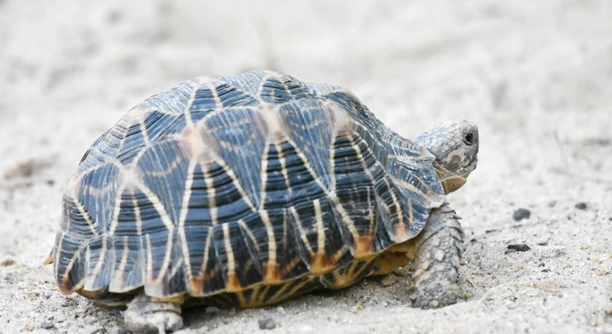
Turtles are wonderful pets, but just like any animal, they can experience health issues. One common problem is eye infections, which can be tricky to detect at first. Learning the signs early can make a big difference in their recovery.
Signs of an eye infection in turtles include swollen eyes, discharge, and redness around the eyes. If left untreated, these symptoms can worsen and lead to more serious problems, such as permanent damage to the eye or vision loss.
Paying attention to small changes in your turtle’s behavior and appearance can help you identify potential health concerns early on. In the following sections, we’ll guide you through the common signs of eye infections and how to care for your turtle.
Swelling and Puffiness Around the Eyes
One of the most noticeable signs of an eye infection in turtles is swelling or puffiness around their eyes. This can happen if the infection is in its early stages or if it has progressed. Swollen eyes might appear larger than usual, and the skin around them may look puffy. If you notice your turtle’s eyes becoming unusually swollen, it’s a clear indicator something might be wrong. This condition can affect one or both eyes and could be linked to a bacterial infection, poor water quality, or a physical injury.
A turtle with swollen eyes may have difficulty opening them. The swelling can cause discomfort, making it hard for your turtle to see or swim properly.
It’s important to monitor your turtle closely. If you spot swelling, take a look at the water quality in their tank and make sure it’s clean. Sometimes poor water conditions lead to irritation or infections. Additionally, check if there’s any injury near the eye area that could have caused the swelling. If the swelling persists, a visit to the vet is recommended.
Discharge From the Eyes
Another sign that your turtle might have an eye infection is discharge coming from the eyes. This could be a thick, cloudy substance or more of a watery secretion. The discharge can vary in color from clear to yellowish or greenish, depending on the severity and type of infection. It is often a result of bacteria or other pathogens in the turtle’s environment.
If you spot discharge, it’s a good idea to clean the turtle’s environment immediately. Dirty water or an overcrowded tank can worsen the infection. Keeping the tank clean and changing the water regularly can help prevent future infections.
Be aware that discharge may indicate an ongoing infection that needs professional attention. If your turtle’s eyes are constantly producing discharge, it’s crucial to have a vet evaluate them. Left untreated, this could lead to long-term damage or even blindness.
Redness and Irritation Around the Eyes
Redness around your turtle’s eyes is another sign of potential eye infection. It can indicate irritation caused by bacteria, environmental stress, or injury. The redness might not always be obvious but can become more noticeable over time. If your turtle seems to be rubbing its eyes against surfaces in its tank, this could be a sign that the irritation is causing discomfort.
Red eyes can also be caused by poor water conditions, such as high levels of ammonia or nitrates in the water. This can be especially common if the turtle is housed in a small or unclean tank. Irritation from these elements can weaken your turtle’s immune system and make it more susceptible to infections.
Keep an eye out for any changes in the color of the skin around your turtle’s eyes. A slight red or pink hue can be normal after your turtle has been basking, but if the redness persists or becomes more intense, it may indicate an infection that needs attention. In such cases, cleaning the tank and reducing stress factors might help, but visiting a vet is the best way to ensure proper treatment.
Difficulty Opening Eyes
If your turtle is having trouble opening its eyes fully or seems to be keeping them closed more than usual, it could be a sign of an eye infection. This is often due to swelling or discomfort caused by the infection. The infection may cause pain or irritation, preventing the turtle from fully opening its eyes. If this happens, your turtle may also seem lethargic, staying in one spot or moving slower than usual.
This could also happen if the turtle’s eyes are too swollen or if there is excessive discharge, making it difficult to open them. When eyes are swollen shut or covered by discharge, your turtle may be trying to avoid further irritation.
If you notice that your turtle is struggling to open its eyes, it’s important to keep a close eye on its behavior. A persistent issue with opening its eyes likely requires a trip to the vet. Don’t ignore the problem—address it early to prevent it from worsening.
Watery Eyes or Excessive Tearing
Watery eyes or excessive tearing can be another sign that something is wrong with your turtle’s eyes. In some cases, watery eyes can be an early warning sign of an eye infection, as bacteria or viruses can cause the eyes to produce excess fluid. This excess moisture may cause the eyes to appear constantly wet or moist.
Turtles have tear ducts that help keep their eyes moist, but when these ducts are overactive due to infection, tears may flow more than usual. This can result in the eyes looking watery, and the turtle might also appear to be squinting or blinking more frequently.
If your turtle’s eyes appear watery and the condition doesn’t improve after a short time, it’s important to assess the water conditions. Poor tank water quality can lead to eye irritation and infection. If cleaning the tank doesn’t improve the situation, consulting a veterinarian is crucial for proper diagnosis and treatment. Regular monitoring of your turtle’s eye health is key to preventing serious eye issues.
Loss of Appetite
A turtle with an eye infection may also stop eating or show a lack of interest in food. Eye discomfort can make them less inclined to feed. When they have difficulty seeing or feel unwell, they may not recognize food as easily or may simply avoid it due to pain.
If your turtle isn’t eating, it’s important to assess both their eye condition and overall health. Sometimes, a loss of appetite is a result of other underlying issues, such as stress, poor water quality, or bacterial infections affecting more than just the eyes. This is why close monitoring is necessary.
Make sure that your turtle’s habitat is comfortable, clean, and quiet. Offering food in a stress-free environment can help. If the lack of appetite persists for more than a couple of days, it’s best to take your turtle to the vet. A thorough check-up can rule out serious issues and ensure your pet gets the care it needs.
Increased Lethargy
Turtles with eye infections can become more lethargic than usual. They may spend most of their time hiding or resting. If your turtle seems unusually sluggish, it’s possible that the infection is causing discomfort or pain.
An infection can make it harder for your turtle to move around normally. The swelling and irritation in their eyes can be very painful and may leave them feeling weak. They might avoid swimming, basking, or even moving to the food dish.
Increased lethargy is often a sign that something is wrong with your turtle’s health. A lack of energy could be linked to the stress of dealing with an eye infection. If this behavior continues for an extended period of time, it’s important to seek veterinary care for a proper diagnosis. Keeping your turtle in a calm, well-maintained environment can help reduce stress as well.
Cloudy or Clouded Eyes
Cloudy or clouded eyes are another warning sign that your turtle might have an eye infection. Healthy turtle eyes should be clear, so any changes in their appearance can indicate a problem. A cloudy look could be caused by swelling or an infection in the eye.
If you notice a cloudy film over your turtle’s eyes, it could be due to fluid buildup or an infection spreading in the area. Infections can cause the cornea or lens to become cloudy, affecting their vision. Sometimes, it might even make their eyes appear foggy or milky.
If the cloudiness persists, it’s important to seek veterinary help. Delaying treatment could lead to more severe eye problems, including loss of vision. Make sure to monitor your turtle’s eye health regularly and provide clean water, which can prevent infections from occurring in the first place.
Difficulty Swimming or Diving
Turtles with eye infections often have trouble swimming or diving. The discomfort caused by their eyes can affect their ability to move freely in the water. It’s common for a turtle to become more sluggish and less active when their eyes are hurting.
When vision is impaired, it’s harder for turtles to navigate their environment or respond to stimuli, like food or movement in the water. This can make them appear disoriented or less energetic, which may be frustrating for your pet.
If your turtle seems to be struggling more than usual with swimming or diving, pay attention to their eye health. Swollen, watery, or cloudy eyes could be the cause. Keep the tank clean and observe their behavior. If symptoms persist, visit a vet for further care.
FAQ
What causes eye infections in turtles?
Eye infections in turtles can be caused by several factors, including poor water quality, bacterial or fungal infections, trauma, or environmental stress. Dirty water, high levels of ammonia, or a lack of proper filtration are common culprits in tank-based infections. Turtles can also develop infections if they have physical injuries near their eyes, or if they are stressed due to changes in their environment.
How can I prevent eye infections in my turtle?
To prevent eye infections, keep your turtle’s living environment clean and well-maintained. Regularly change the water and ensure that the filtration system is functioning properly. Make sure the tank is the right size for your turtle and that it’s not overcrowded. Avoid sudden changes in temperature or habitat that could stress your turtle. Additionally, providing your turtle with a balanced diet and ensuring they have enough exposure to UVB light can help maintain their overall health and immune system.
Can I treat my turtle’s eye infection at home?
While minor cases of eye irritation can sometimes be managed at home by improving water conditions or reducing stress, it’s generally best to consult a vet. Treatment may involve administering antibiotics or other medications to clear up the infection. Trying to treat the infection without proper knowledge could make the problem worse, especially if the cause is bacterial or fungal. A vet will be able to provide an accurate diagnosis and recommend the most effective treatment for your turtle.
When should I take my turtle to the vet?
If your turtle shows signs of an eye infection, such as swollen or red eyes, discharge, or cloudy vision, it’s important to seek veterinary help if symptoms don’t improve after a few days. If your turtle’s condition is worsening, or if it’s showing signs of lethargy, a loss of appetite, or difficulty swimming, you should also consult a vet immediately. Early intervention can help prevent permanent damage or vision loss.
How long does it take for a turtle’s eye infection to heal?
The healing time for a turtle’s eye infection depends on the severity of the infection and how quickly it is treated. Minor infections may clear up within a week or two with proper care, while more severe cases could take several weeks to heal fully. In some cases, the turtle may need ongoing treatment, such as antibiotics, to ensure full recovery. Make sure to follow the vet’s instructions closely for the best outcome.
Can an untreated eye infection cause permanent damage?
Yes, untreated eye infections can cause permanent damage to your turtle’s eyes. If left unchecked, the infection can lead to scarring, loss of vision, or even complete blindness. It can also spread to other parts of the eye, leading to more severe issues, including corneal ulcers or damage to the internal eye structures. Early treatment is crucial to avoid these long-term complications.
What should I do if my turtle’s eyes are swollen shut?
If your turtle’s eyes are swollen shut, it’s likely that the infection has advanced. First, ensure that the water is clean and that the tank conditions are optimal for healing. Avoid handling your turtle too much, as it can cause additional stress. You should contact a vet as soon as possible for proper treatment. Swelling may need to be reduced with anti-inflammatory medications or antibiotic eye drops, which should only be prescribed by a professional.
Can water quality cause eye problems for my turtle?
Yes, poor water quality is one of the main causes of eye problems in turtles. Ammonia, nitrates, and nitrites can build up in the water and irritate your turtle’s eyes, leading to infections. Make sure to regularly change the water and use a reliable filtration system. You should also check the water parameters frequently to ensure that they’re within the safe range for your turtle. Clean water can greatly reduce the risk of eye infections and other health issues.
Are there any natural remedies for treating turtle eye infections?
While some people might try natural remedies like saline solution or herbal treatments, it’s important to consult a vet before attempting any treatment. Some natural remedies may not be effective against bacterial or fungal infections, and using the wrong treatments can cause more harm. A vet can prescribe the appropriate medication to clear the infection and help your turtle recover safely.
Can stress affect my turtle’s eyes?
Yes, stress can have a significant impact on your turtle’s overall health, including its eyes. Stress can weaken the immune system, making your turtle more susceptible to infections. Environmental stressors like overcrowding, sudden changes in water temperature, or poor tank conditions can lead to eye problems. It’s important to provide your turtle with a calm, stable environment to minimize stress and maintain their health.
Can I use human eye drops on my turtle?
No, human eye drops should never be used on turtles. The ingredients in human eye drops are not suitable for reptiles and can cause harm. Always use eye medications that are specifically formulated for reptiles, which your vet can prescribe. Never attempt to treat your turtle without professional guidance, as improper treatment can lead to serious complications.
Is it normal for a turtle’s eyes to be cloudy after hibernation?
Cloudy eyes after hibernation are not uncommon, but they can still indicate a problem. After hibernation, turtles may experience temporary changes in their eye appearance due to dehydration or irritation. However, if the cloudiness persists or worsens, it could be a sign of an eye infection or other health issue. It’s best to monitor your turtle closely and consult a vet if the condition doesn’t improve.
Final Thoughts
Taking care of a turtle’s health, including their eyes, is essential to ensuring they live a happy and long life. Eye infections in turtles can be tricky to spot early on, but recognizing the signs, such as swelling, discharge, or cloudy eyes, can make a big difference in their recovery. The key to preventing eye problems is maintaining a clean, stress-free environment for your turtle. This includes regularly changing the water, checking the tank’s filtration system, and making sure the water quality is optimal. By doing this, you can help reduce the risk of eye infections and other health issues from developing.
If your turtle shows any signs of an eye infection, it’s important to address it as soon as possible. Minor symptoms can often be treated with improved tank conditions or simple care adjustments. However, more severe symptoms, such as excessive swelling or persistent discharge, may require veterinary attention. Taking your turtle to a vet for a professional diagnosis is crucial, as untreated infections can cause long-term damage or even lead to blindness. A vet will be able to prescribe the right treatment, whether it be medication or changes to your turtle’s habitat.
Remember, turtles rely on their eyes for many daily activities, from swimming and basking to finding food. Keeping an eye on your turtle’s behavior and appearance will help you spot any health problems early. Even if your turtle seems perfectly healthy, regular check-ups with a vet are a good way to ensure that any potential issues are addressed before they become serious. Taking these simple steps can go a long way in ensuring your turtle stays healthy and happy.

Hello,
If you enjoy the content that we create, please consider saying a "Thank You!" by leaving a tip.
Every little bit helps us continue crafting quality advice that supports the health, happiness, and well-being of pets around the world, for pets of all shapes, sizes, and species.
We really appreciate the kindness and support that you show us!