
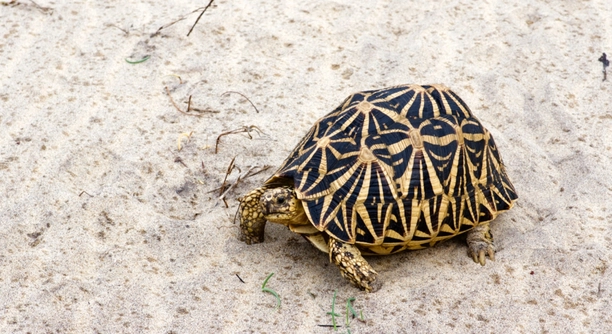
Turtles are known for their love of basking, often spending hours soaking up the sun. However, if you notice your turtle basking excessively, there may be an underlying reason. Several factors could contribute to this behavior.
Excessive basking in turtles may result from environmental imbalances, such as improper lighting, temperature, or humidity. Health issues like parasites or stress can also trigger prolonged basking, as the turtle tries to regulate its body temperature or seek comfort.
Understanding these factors can help manage your turtle’s behavior. Proper adjustments to their habitat and care routine are essential for their well-being.
Inadequate Lighting and Temperature
Turtles need specific lighting and temperature to feel comfortable and healthy. Without the right setup, your turtle may spend more time basking than usual. If the basking area is too cold, your turtle may stay out of the water to warm up, leading to extended basking periods. This behavior can also occur if the light source is too weak, causing your turtle to feel it needs more time under the lamp to absorb enough heat. The basking spot should be around 85-95°F, while the water temperature should be slightly cooler to encourage swimming.
An incorrect light spectrum can also influence basking time. UVB light is crucial for a turtle’s health, enabling them to produce Vitamin D3. Without it, turtles can experience metabolic bone disease, which often leads to excessive basking. Make sure you use proper UVB bulbs and replace them regularly.
Regularly checking the lighting and temperature will help prevent health problems. If these elements are in balance, your turtle will feel more at ease and bask less.
Stress from Tank Mates
Stress can also lead to excessive basking. If your turtle feels threatened by other tank mates, it may retreat to its basking area for safety. Aggressive or overly active tank mates can create a stressful environment that disrupts your turtle’s routine. It’s essential to ensure that your turtle is housed with compatible species that won’t cause it undue stress.
Removing aggressive animals or offering more hiding spaces can help reduce stress. A calmer environment promotes healthy behaviors, and your turtle will be less inclined to seek refuge on the basking platform.
Health Problems
Health issues can lead to excessive basking as a turtle tries to self-regulate its body temperature. Illnesses like respiratory infections or parasites cause discomfort, prompting the turtle to seek warmth. Conditions like shell rot or metabolic bone disease can also lead to abnormal basking behavior.
A turtle suffering from internal parasites may spend more time out of the water, attempting to manage its condition. Respiratory issues can also cause lethargy, leading to extended basking. If you notice a lack of energy, swollen eyes, or abnormal shell growth, a visit to the vet is necessary. Early detection can prevent worsening of the condition.
Addressing any health concerns early can help your turtle feel better. Timely treatment can restore a balanced basking routine, ensuring your turtle’s well-being.
Poor Diet
A poor diet can affect your turtle’s behavior, including excessive basking. Lack of proper nutrients may lead to metabolic issues, making it harder for the turtle to regulate body temperature. For instance, a calcium deficiency can cause your turtle to bask more than usual in an attempt to absorb UVB light.
Turtles need a varied diet consisting of greens, proteins, and calcium-rich foods. Without this balance, they may struggle to stay healthy, leading to irregular behavior. Make sure your turtle receives food appropriate for its species, such as leafy greens, aquatic plants, and occasional protein sources. A diet rich in calcium is particularly important for maintaining healthy shell growth.
By improving your turtle’s diet, you can support its overall health and restore a normal basking pattern.
Environmental Imbalance
An environmental imbalance can cause your turtle to bask more than usual. If the water is too dirty, your turtle may avoid it and seek warmth on the basking platform. High ammonia levels or poor filtration contribute to poor water quality, making the turtle uncomfortable.
Maintaining a clean and properly filtered tank is key to your turtle’s comfort. Regular water changes and proper filtration help reduce toxins and provide a healthy environment for your turtle. If your turtle consistently avoids the water, this may be a sign that the water quality needs attention.
Overcrowding
Overcrowding in a tank can stress your turtle, prompting it to bask excessively. With too many tank mates, turtles often feel the need to retreat to a basking spot for some peace. Lack of space and hiding spots can increase anxiety, affecting their behavior.
Providing a spacious tank with enough room for each turtle is important. Avoid keeping too many turtles together, as competition for space can lead to stress. Ensuring that each turtle has its own space will help maintain a calm environment and reduce the need for excessive basking.
FAQ
Why is my turtle basking so much?
Excessive basking can be caused by several factors. It may be due to improper lighting and temperature in the tank, which forces your turtle to spend more time under the basking light. Health problems, like respiratory issues or parasites, can also lead to increased basking behavior as the turtle tries to regulate its body temperature. Stress, poor diet, and environmental imbalances like dirty water or overcrowded tanks are other common causes. Understanding these factors is essential for managing your turtle’s behavior.
How can I adjust my turtle’s tank to reduce excessive basking?
To reduce excessive basking, start by ensuring the temperature and lighting are appropriate. The basking area should be between 85-95°F, and the water temperature should be cooler. Providing proper UVB lighting is also crucial, as it helps your turtle synthesize Vitamin D3. Ensure the water quality is good by regularly cleaning the tank and changing the water to keep it free of ammonia and debris. You should also monitor the tank’s humidity levels to make sure they are within the optimal range.
Could my turtle be sick if it’s basking too much?
Yes, excessive basking can be a sign of illness. Respiratory infections, parasites, and other health problems can cause your turtle to seek warmth in an attempt to self-regulate. If you notice a lack of energy, swollen eyes, or abnormal behavior in addition to the excessive basking, it’s important to consult a veterinarian for an accurate diagnosis. Early intervention can prevent further health issues and restore a balanced basking routine.
What type of diet should I feed my turtle to prevent excessive basking?
A proper diet is essential for your turtle’s health. Without the right nutrients, your turtle may spend more time basking than usual. Ensure your turtle gets a balanced diet with plenty of leafy greens, such as kale and collard greens, and occasional protein sources like worms or shrimp. A calcium-rich diet is also crucial for shell health and overall well-being. If your turtle lacks these nutrients, it may struggle to regulate its body temperature and turn to basking as a coping mechanism.
Can overcrowding cause my turtle to bask more?
Yes, overcrowding can lead to stress, which may cause your turtle to spend excessive time basking. When multiple turtles are housed in a small tank, they may feel threatened by the competition for space and resources. Stress can lead to abnormal behaviors, including more time spent out of the water. It’s important to provide enough space for each turtle, ensuring they have room to move and access to their own basking spot. This reduces stress and helps maintain normal behavior.
How often should I clean my turtle’s tank to prevent excessive basking?
Cleaning your turtle’s tank regularly is key to maintaining a healthy environment and preventing excessive basking. The frequency of cleaning depends on the size of the tank and the number of turtles you have. Generally, you should perform a partial water change every week and clean the tank’s filter to ensure proper filtration. It’s also important to spot clean any waste daily to keep the water quality in check. Regular cleaning prevents the accumulation of ammonia and toxins, which can cause discomfort and lead to more basking.
Can my turtle’s tank mates affect its basking behavior?
Yes, tank mates can influence your turtle’s basking behavior. If your turtle feels threatened by more aggressive or dominant tank mates, it may seek refuge on the basking platform. This is a common behavior when there is competition for space or resources. Keeping your turtle with compatible species and avoiding overcrowding can reduce stress and help your turtle feel more comfortable in the water. Providing hiding spots and ensuring enough room for all inhabitants will help create a peaceful environment, reducing unnecessary basking.
Is there such a thing as too much basking for a turtle?
Yes, there can be too much basking for a turtle. While basking is an essential behavior for thermoregulation and UVB absorption, prolonged exposure to excessive heat can cause dehydration, stress, and overheating. Turtles should have access to both basking areas and cool areas in the tank to regulate their body temperature effectively. If your turtle is basking for extended periods, it may indicate an issue with the tank environment or health concerns that need attention.
What is the ideal tank size for my turtle?
The ideal tank size for a turtle depends on its species and size. As a general rule, the tank should be at least 10 gallons per inch of the turtle’s shell length. Larger turtles will require more space to move around and swim freely. A larger tank also allows for better water filtration and more room for basking. A cramped tank can lead to stress and unhealthy behavior, including excessive basking. Be sure to consider the adult size of your turtle when choosing a tank to ensure it has enough space to thrive.
How can I tell if my turtle is stressed?
Signs of stress in turtles include excessive basking, lack of appetite, hiding, or lethargy. A stressed turtle may also exhibit aggressive behavior or refuse to swim. If your turtle is not eating or spending too much time out of the water, it’s important to assess its environment. Overcrowding, incompatible tank mates, or poor water quality are common stressors. By addressing these issues and providing a more comfortable living space, you can help reduce stress and promote healthier behavior.
Final Thoughts
Understanding why your turtle might be basking excessively is crucial for maintaining its well-being. Several factors can contribute to this behavior, such as improper lighting, temperature imbalances, or even health issues. It’s important to regularly check the environmental conditions of the tank, ensuring the basking area and water temperature are appropriate for your turtle’s needs. Maintaining a clean, balanced environment helps keep your turtle comfortable and minimizes the stress that could lead to excessive basking. Paying attention to these details helps avoid unnecessary behaviors and keeps your turtle happy and healthy.
A balanced diet also plays an essential role in your turtle’s behavior. An improper diet can cause turtles to seek warmth more often than they should. By offering a variety of leafy greens and proteins, you provide the necessary nutrients for your turtle to thrive. A calcium-rich diet is important for shell health, and without it, your turtle may attempt to bask more to regulate its body temperature. Regularly assessing your turtle’s diet and ensuring it is well-fed with the right nutrients can help reduce the need for excessive basking and encourage healthy habits.
Finally, consider the social and environmental factors that can affect your turtle’s behavior. Overcrowding or tankmates that don’t get along can increase stress, causing your turtle to seek refuge on its basking spot. A peaceful tank with enough space, proper filtration, and hiding spots helps create a stress-free environment for your turtle. By monitoring the tank regularly, you can address issues early and make necessary adjustments to ensure your turtle’s comfort. Keeping your turtle’s environment and health in check is the best way to ensure it maintains a healthy balance between basking and swimming.

Hello,
If you enjoy the content that we create, please consider saying a "Thank You!" by leaving a tip.
Every little bit helps us continue crafting quality advice that supports the health, happiness, and well-being of pets around the world, for pets of all shapes, sizes, and species.
We really appreciate the kindness and support that you show us!