
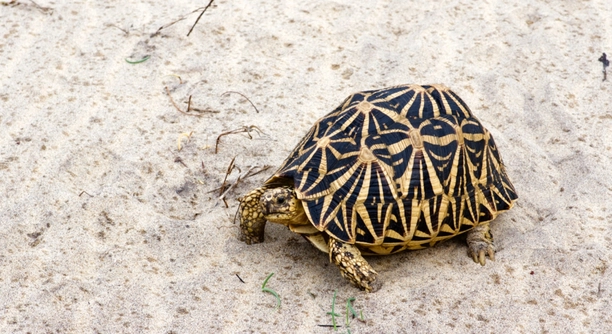
Turtles are wonderful, low-maintenance pets, but sometimes they can experience skin shedding that may worry owners. If you’ve noticed your turtle’s skin peeling in large chunks, it could be a sign of something more than normal shedding.
Skin peeling in large chunks is typically a sign of your turtle shedding. However, it can also indicate an underlying health issue, such as dehydration, improper humidity, or an infection. Identifying the cause can help prevent further complications.
Understanding the reasons behind skin shedding can help you ensure your turtle stays healthy and happy. Proper care and attention are essential for preventing skin problems in the future.
Common Causes of Skin Peeling in Turtles
Turtles naturally shed their skin, but when large pieces peel off, it may be more than just regular shedding. A common reason for this is poor environmental conditions, like low humidity or insufficient heat. If your turtle’s habitat isn’t warm enough, it can cause their skin to shed in chunks. Turtles also rely on a balanced diet, and nutrient deficiencies can lead to unhealthy skin. Furthermore, improper water conditions, like unclean or chlorinated water, can irritate the skin, making it peel. Other times, infections or parasites might be the cause. Always ensure your turtle’s environment is clean, warm, and healthy.
Keeping your turtle in an environment with proper heat and humidity is essential for their health. It’s also important to monitor their diet to ensure they’re getting all the necessary nutrients.
If your turtle’s skin peeling persists, it’s crucial to take a closer look at its living conditions. Regular tank cleaning and maintaining the correct water temperature can help prevent skin problems. A vet visit can be helpful if you suspect an infection. Most skin issues are preventable with the right care.
Proper Tank Setup and Temperature
A proper tank setup is essential for your turtle’s health. Ensure the tank has a basking spot with a heat lamp to keep the water and environment warm. Temperature and humidity play a significant role in shedding. Without the right heat, your turtle may shed excessively.
Water temperature should range between 75-80°F for aquatic turtles. The basking area should be between 85-90°F to give your turtle a spot to dry off and regulate its body temperature. If the temperature drops too low, it can stress your turtle and cause abnormal shedding. A reliable water heater and thermometer can help maintain proper conditions.
Maintaining humidity levels is also crucial. If the humidity is too low, your turtle’s skin can dry out, causing it to shed in larger pieces. Using a humidity gauge can help you monitor the levels. Regular tank cleaning is important too, as dirty water can irritate your turtle’s skin, making shedding worse. A well-maintained tank provides a healthy environment, preventing unnecessary skin issues.
Diet and Nutritional Needs
A balanced diet is vital for healthy skin and overall wellness in turtles. If your turtle isn’t getting enough nutrients, it could result in shedding problems. Offer a variety of foods like leafy greens, high-quality pellets, and occasional protein sources. Lack of vitamins can lead to skin issues.
Turtles need certain vitamins and minerals for healthy skin. Vitamin A is crucial for maintaining the health of their skin and eyes. A deficiency in this vitamin can cause peeling or dryness. Carrots, sweet potatoes, and leafy greens like kale are great sources of Vitamin A. Ensure your turtle gets a varied diet to support its nutritional needs.
Overfeeding can also be a problem. If your turtle eats too much, it may lead to obesity and affect their skin and overall health. Stick to a feeding schedule and provide fresh, clean food daily. Proper nutrition keeps your turtle’s skin in top condition, preventing excessive peeling and other health issues.
Health Problems and Infections
If your turtle’s skin is peeling in large chunks, it could indicate an underlying infection or health problem. Bacterial, fungal, or parasitic infections can affect their skin, leading to excessive shedding. Look for other signs like discoloration or swelling.
Infections are often caused by dirty water or poor tank conditions. A weakened immune system can make your turtle more vulnerable to these problems. If you notice other unusual symptoms, it’s important to consult with a vet. A timely diagnosis and treatment can prevent further skin damage and other complications. Keeping your turtle’s environment clean is the best prevention.
Dehydration and Skin Issues
Dehydration can contribute to peeling skin in turtles. When turtles are not properly hydrated, their skin can dry out and shed in larger pieces. Proper hydration is crucial to their health and skin condition.
Make sure your turtle has access to clean, fresh water at all times. For aquatic species, changing the water regularly helps prevent the buildup of harmful bacteria that can contribute to dehydration. If your turtle spends time on land, ensure they can soak in the water to stay hydrated. Dehydration should be addressed quickly to prevent long-term skin damage.
FAQ
Why is my turtle shedding so much skin?
Turtles naturally shed their skin as they grow, but if you notice excessive shedding, it could be a sign of something more. Poor tank conditions, like low humidity or improper water temperature, can cause abnormal shedding. It can also result from dehydration or nutrient deficiencies. Make sure the environment is warm, humid, and clean, and provide a balanced diet to help prevent skin problems.
How can I tell if my turtle’s skin shedding is normal?
Normal skin shedding usually happens in small pieces over time. It’s typically not a cause for concern unless the shedding becomes excessive or the skin is peeling in large chunks. If your turtle is acting normally, eating well, and showing no other symptoms like lethargy or swelling, it’s probably just a part of its growth process.
What should I do if my turtle’s skin is peeling off in chunks?
If your turtle’s skin is peeling in large chunks, check its environment. The water temperature and humidity levels may be off. You should also check for signs of infection, such as swelling, redness, or unusual behavior. If the peeling continues or worsens, consult a vet for an accurate diagnosis.
Can I bathe my turtle to help with skin peeling?
You can gently bathe your turtle in lukewarm water to help hydrate its skin. This can soften the skin and make shedding easier. However, do not use soap or any chemicals. The bath should be brief, just enough to provide some moisture. Always dry your turtle after the bath and place it back in its tank with the correct temperature and humidity.
What can I do to ensure my turtle’s skin stays healthy?
To keep your turtle’s skin healthy, focus on its diet, habitat, and hydration. Provide a balanced diet with vitamins like Vitamin A to help maintain skin health. Make sure the tank has proper heating and humidity levels. Clean the tank regularly to avoid bacterial infections. Keep your turtle hydrated by allowing it to soak in the water regularly.
Can stress cause my turtle’s skin to peel?
Stress can contribute to skin shedding problems. If your turtle feels stressed due to changes in its environment, loud noises, or overcrowding, it may affect its skin. Make sure the tank setup is suitable for your turtle’s size and species, and avoid any sudden changes that might cause stress.
Is my turtle’s skin shedding due to a fungal infection?
Fungal infections can cause skin issues, including peeling. Infected areas may appear discolored or swollen. If your turtle’s skin is peeling with unusual marks or if it has lost its appetite, these could be signs of a fungal infection. A vet will be able to prescribe antifungal treatment if needed.
How often do turtles shed their skin?
Turtles shed their skin periodically, but how often depends on their age and species. Younger turtles may shed more frequently as they grow, while older turtles shed less often. It’s typically a gradual process that happens in small pieces. If the shedding is excessive or in large chunks, it could indicate a problem.
What’s the best way to hydrate my turtle?
To keep your turtle properly hydrated, ensure it has access to fresh water at all times. For aquatic turtles, change the water regularly to prevent bacteria buildup. If your turtle is land-dwelling, make sure it has a shallow water dish for soaking. Hydration is crucial to prevent skin dryness and peeling.
Can I use a humidifier for my turtle’s tank?
Yes, a humidifier can be helpful, especially if you have a turtle species that requires higher humidity levels. It helps maintain the right moisture levels in the air, which is important for their skin health. Just ensure that the tank stays clean and the humidity level is suitable for your specific turtle species.
Should I be worried if my turtle has flaky skin?
Flaky skin can be normal, especially when your turtle is shedding. However, if the flakiness is excessive or accompanied by other symptoms like swelling, sores, or lack of appetite, it could be a sign of an underlying issue. Check the water temperature, humidity, and diet to rule out environmental causes. If the problem persists, consult a vet.
What kind of tank setup is best to prevent skin issues?
A proper tank setup includes a clean environment, the right water temperature (75-80°F), and a basking spot that is 85-90°F. Use a good quality water filter and avoid overfeeding. Make sure the tank is large enough for your turtle to move around comfortably, as stress from overcrowding can lead to skin problems.
Can vitamin supplements help with my turtle’s skin?
Yes, vitamin supplements, particularly Vitamin A, can help with your turtle’s skin health. Vitamin A is essential for maintaining healthy skin and eyes. If your turtle is not getting enough from its diet, a supplement can help. However, always check with a vet before adding supplements to avoid overdosing.
Is it normal for my turtle’s skin to peel after it’s been hibernating?
Yes, it’s normal for a turtle’s skin to peel after hibernation, as it sheds its old skin. This process usually happens slowly over time. However, make sure your turtle is not dehydrated or suffering from any other health issues after hibernation. Keep the tank warm and humid to help with the shedding process.
Can water quality affect my turtle’s skin?
Yes, poor water quality can significantly affect your turtle’s skin. Dirty water can harbor bacteria and irritants that may cause the skin to peel. Always keep the tank water clean by performing regular water changes and using a good filtration system. A clean environment is essential for preventing skin problems.
Final Thoughts
Turtle skin shedding is a natural process, but if it happens in large chunks, it may signal something beyond the typical shedding. The most common causes include improper tank conditions, such as low humidity or incorrect water temperature, dehydration, or nutrient imbalances. It’s important to monitor your turtle’s environment closely to ensure it has the best chance for healthy skin. Regularly cleaning the tank, keeping the water at the right temperature, and ensuring proper humidity levels can help reduce the risk of abnormal shedding.
Additionally, diet plays a crucial role in your turtle’s overall health, including its skin. A balanced diet rich in essential nutrients, especially Vitamin A, is vital for healthy skin. Lack of these vitamins can result in peeling or dryness. Offering a variety of foods like leafy greens, high-quality pellets, and occasional protein can help maintain your turtle’s skin condition. Overfeeding should also be avoided, as it can cause other health issues that might affect skin health. If your turtle’s diet is well-rounded, it’ll support not only skin health but also the overall well-being of your pet.
If you notice excessive shedding or peeling skin that doesn’t improve, it’s important to take your turtle to a vet for a proper diagnosis. Skin peeling can sometimes be a symptom of an infection or a more serious health issue. It’s always better to be cautious and seek professional advice if you’re unsure about your turtle’s condition. With proper care, attention to diet, and maintaining the right tank environment, most skin shedding issues can be prevented, helping your turtle live a long, healthy life.

Hello,
If you enjoy the content that we create, please consider saying a "Thank You!" by leaving a tip.
Every little bit helps us continue crafting quality advice that supports the health, happiness, and well-being of pets around the world, for pets of all shapes, sizes, and species.
We really appreciate the kindness and support that you show us!