
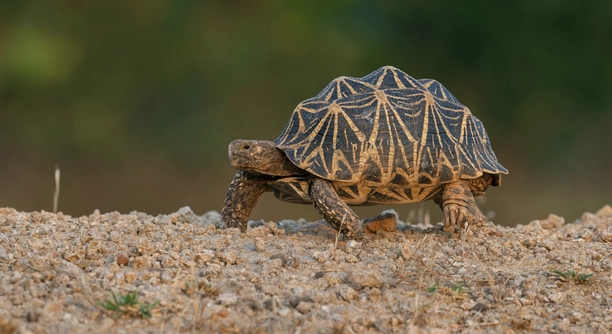
Turtles are fascinating creatures, but if your turtle keeps floating on one side, it could indicate a potential issue. Understanding the possible reasons behind this behavior can help address it and ensure your turtle’s well-being.
A turtle floating on one side may be experiencing buoyancy issues, often caused by an internal infection, gas buildup, or a respiratory problem. These factors can disrupt their ability to maintain balance in the water, leading to one-sided floating.
Identifying the cause of this behavior is crucial for your turtle’s health. Addressing the underlying issue will help your pet return to normal swimming and prevent further complications.
Potential Causes of One-Sided Floating
If your turtle consistently floats on one side, it may be dealing with an internal imbalance. One of the common reasons for this issue is a build-up of gas in the gastrointestinal system. This gas can make it difficult for the turtle to control its buoyancy, causing it to tilt or float unevenly. Sometimes, a respiratory infection can cause similar symptoms. Turtles breathe through their lungs, and if the lungs become infected or congested, it may cause the turtle to float abnormally. If the issue is gas-related, it may be a temporary problem that resolves with time.
An internal infection or fluid buildup can also affect a turtle’s ability to swim normally. Turtles are susceptible to various health issues, including respiratory infections that can lead to abnormal floating. These infections often go unnoticed at first, so it’s important to observe other symptoms, such as difficulty breathing or lethargy.
If you suspect that an infection is causing the floating issue, it is critical to seek veterinary care. Early treatment can help prevent more serious complications and help your turtle recover.
Buoyancy Problems from Shell Damage
A damaged shell can lead to buoyancy problems in a turtle. If there is a crack or injury, it may result in air or water getting trapped inside, which affects the turtle’s ability to maintain balance. This issue can cause a one-sided float.
Turtles with shell damage often experience discomfort or difficulty staying upright. In severe cases, shell injuries might require professional care to repair.
Respiratory Infections
A respiratory infection is a common reason for one-sided floating in turtles. When a turtle’s lungs become infected, it can lead to a loss of buoyancy control. This happens because the infection may cause fluid or mucus to accumulate, affecting the turtle’s ability to swim properly.
Turtles with respiratory infections may also show signs like wheezing, open-mouth breathing, or discharge from their nose. The infection affects their overall health, causing them to struggle with floating and swimming normally. If untreated, respiratory issues can worsen, leading to further complications.
Veterinary attention is essential for respiratory infections. Antibiotics or other treatments may be prescribed to clear the infection. It’s important to act quickly, as untreated infections can lead to pneumonia or other severe respiratory conditions, putting your turtle’s health at risk.
Gas Buildup
Gas buildup in a turtle’s gastrointestinal system is another cause of abnormal floating. If your turtle is not able to expel gas properly, it can cause a shift in buoyancy, resulting in one side floating higher than the other. This is often linked to diet or digestive problems.
Gas buildup typically occurs when turtles eat more than they can digest or if their diet is imbalanced. Foods that are difficult to digest or that ferment in the gut can lead to an excessive buildup of gas. This can cause the turtle to float or tilt to one side.
Internal Injuries
Internal injuries from falls or accidents can also cause a turtle to float on one side. A direct impact to the body may lead to internal bleeding or damage to organs that affect buoyancy. This could cause an imbalance in the turtle’s swimming.
Turtles with internal injuries may show other signs like swelling, difficulty moving, or lethargy. If left untreated, these injuries can lead to more serious health issues and affect the turtle’s ability to function normally. Immediate veterinary attention is important to prevent complications from internal damage and ensure proper healing.
Water Quality
Poor water quality can also affect your turtle’s ability to float. Dirty or contaminated water can lead to infections or irritations that may cause a turtle to swim in an abnormal way. It’s crucial to maintain clean water to avoid health issues.
Water that is too warm or too cold can also cause stress to a turtle, making it harder for them to regulate their buoyancy. Regular water changes and proper filtration are essential for maintaining a healthy habitat for your turtle.
FAQ
Why does my turtle float on its back?
A turtle floating on its back can be a sign of an internal issue. This may be caused by a respiratory infection or gas buildup, making it difficult for the turtle to maintain balance. It could also be a result of shell damage or an injury. In some cases, a turtle may float on its back if it is stressed or the water temperature is not suitable. If the issue persists, it’s important to consult a veterinarian to rule out serious health conditions.
Can floating on one side hurt my turtle?
Floating on one side can be harmful if the cause is an untreated infection or injury. The turtle may experience difficulties with swimming or feeding, which can affect its overall health. Prolonged floating or an inability to correct the issue could lead to further complications, like muscle weakness or malnutrition. Immediate attention from a veterinarian is crucial to prevent these issues.
What are the signs that my turtle has a respiratory infection?
Common signs of a respiratory infection in turtles include wheezing, labored breathing, and nasal discharge. You may also notice that the turtle is lethargic or avoids eating. If a respiratory infection is left untreated, it can lead to severe complications, such as pneumonia. Early treatment with antibiotics can help prevent further issues.
How can I treat gas buildup in my turtle?
Gas buildup in a turtle can usually be managed by adjusting its diet. Avoid feeding foods that may cause excessive fermentation or are difficult to digest. If your turtle is showing symptoms of gas buildup, like floating or a lack of appetite, it’s best to consult with a veterinarian. In some cases, gentle manipulation or changes in feeding habits may help release the gas naturally.
Should I adjust the water temperature for my turtle?
Water temperature plays a vital role in a turtle’s health and behavior. Turtles are ectothermic, meaning they rely on external temperatures to regulate their body heat. If the water is too cold or too hot, it can cause stress or affect buoyancy. Generally, water temperatures between 75°F and 80°F (24°C and 27°C) are ideal for most species of turtles. Maintaining a stable, appropriate temperature can help reduce stress and prevent floating issues.
How can I prevent shell damage in my turtle?
Shell damage often occurs due to rough handling, falls, or collisions with hard objects. To prevent shell injuries, handle your turtle gently and avoid dropping it. Ensure the turtle’s enclosure is safe, with no sharp edges or obstacles that could lead to injury. Regularly check the shell for any cracks or signs of damage, and provide appropriate basking spots to prevent shell deformities. If damage occurs, seek immediate veterinary care.
Can poor water quality affect my turtle’s health?
Yes, poor water quality can significantly affect your turtle’s health. Dirty or contaminated water can lead to skin and eye infections, as well as respiratory issues. Turtles are especially sensitive to water conditions, and maintaining proper filtration and regular water changes are essential. Keeping the water clean and at the right pH level can help prevent many health problems.
Is it safe to keep multiple turtles together?
Turtles can be kept together, but it depends on the species and the size of the tank. Some turtles are territorial and may fight if housed together, leading to injuries. It’s essential to ensure that there’s enough space in the enclosure to avoid stress and aggression. Always monitor your turtles for signs of aggression and provide separate areas for basking and eating to reduce conflict.
How can I help my turtle recover from an injury?
If your turtle has sustained an injury, the first step is to clean the wound with a mild saline solution. Avoid using harsh chemicals, as they can irritate the skin. Depending on the severity of the injury, it may require bandaging or antibiotic ointments. Always consult a veterinarian for proper treatment, especially for internal injuries or damage to the shell. Keep your turtle in a calm environment and ensure it has access to clean water for proper recovery.
What should I do if my turtle is not eating?
If your turtle is not eating, it could be a sign of stress, illness, or an improper environment. Check the water temperature, lighting, and tank conditions to make sure they are optimal. If the environment seems fine, monitor for signs of illness such as respiratory issues or lethargy. If the turtle continues to refuse food, it’s important to seek veterinary advice to rule out health problems like infections or digestive issues.
Final Thoughts
Floating on one side is a common issue in turtles, but it is often a sign that something isn’t quite right. Whether it’s a respiratory infection, gas buildup, or injury, the underlying cause of this behavior can vary. Understanding the potential reasons behind your turtle’s unusual floating can help you act quickly and avoid further complications. It is important to remember that while occasional floating may not be a major concern, persistent or abnormal floating should be addressed to ensure the well-being of your turtle.
Maintaining a proper environment is essential for your turtle’s health. This includes keeping the water clean, ensuring the right temperature, and providing a balanced diet. Regular monitoring of your turtle’s behavior and physical condition can help identify issues early, preventing more severe problems in the future. Small changes in diet or habitat can make a big difference in addressing minor floating or buoyancy issues. When in doubt, seeking advice from a veterinarian is the best course of action to ensure that your turtle stays healthy and happy.
Caring for a turtle involves more than just providing food and water. It requires attention to their environment and behavior, which directly impacts their health. By staying informed about common issues like floating on one side, you can be proactive in providing the best care for your pet. With the right care, your turtle can thrive and enjoy a long, healthy life.

Hello,
If you enjoy the content that we create, please consider saying a "Thank You!" by leaving a tip.
Every little bit helps us continue crafting quality advice that supports the health, happiness, and well-being of pets around the world, for pets of all shapes, sizes, and species.
We really appreciate the kindness and support that you show us!