
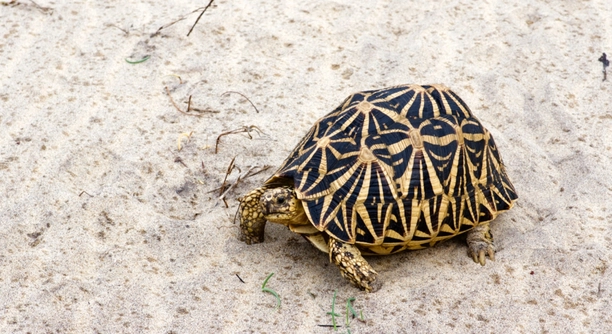
Is your turtle’s shell growing unevenly, and you are not sure why? Shell abnormalities can be concerning for turtle owners, especially when they appear suddenly or worsen over time. Understanding the possible causes can help you take the right steps.
The most common reason for uneven shell growth in turtles is improper diet and habitat conditions. A lack of calcium, vitamin D3 deficiency, or incorrect humidity and temperature levels can cause abnormal shell development, leading to an uneven or deformed appearance.
Shell health plays a crucial role in your turtle’s overall well-being. Learning more about the causes of uneven growth can help you provide the right care and prevent future issues.
Common Causes of Uneven Shell Growth
A turtle’s shell can grow unevenly due to a lack of proper nutrition, poor lighting, or incorrect humidity levels. If a turtle does not get enough calcium and vitamin D3, its shell may become deformed over time. Inadequate UVB lighting can also contribute to this issue by preventing proper calcium absorption. Poor humidity and temperature levels can lead to irregular growth patterns, affecting shell development. Overfeeding or an imbalanced diet can cause pyramiding, where the scutes grow too high. These factors can all impact your turtle’s overall health, making it important to address them quickly.
Paying attention to your turtle’s diet and environment can help prevent shell issues. Providing a well-balanced diet rich in calcium and ensuring proper UVB lighting are essential. Keeping humidity and temperature at the right levels will also support healthy growth. Small changes can make a big difference.
If you notice uneven shell growth, check your turtle’s habitat setup. Ensure it has proper lighting, humidity, and temperature control. Make adjustments as needed and monitor any improvements. A veterinarian specializing in reptiles can provide guidance if the issue persists. Early intervention can help prevent long-term complications and keep your turtle healthy.
How to Fix and Prevent Uneven Shell Growth
The first step is to improve your turtle’s diet and habitat. Ensuring a balanced diet with plenty of calcium will support strong shell growth. Proper UVB lighting should be provided daily to help with calcium absorption. Maintaining the correct humidity and temperature levels is also necessary.
A well-balanced diet includes calcium-rich foods such as cuttlebone, dark leafy greens, and commercial turtle pellets. Supplementing with vitamin D3 can also help, especially for turtles that do not get direct sunlight. A UVB light should be placed in the enclosure and replaced every six months to ensure effectiveness. Humidity and temperature should match your turtle’s natural habitat to promote healthy development. Regular monitoring will help prevent further issues.
Preventing uneven shell growth requires consistency. Providing a suitable environment with proper nutrition will ensure your turtle’s shell remains strong. Checking the habitat regularly and making necessary adjustments will help maintain its health. If the problem does not improve, seeking veterinary advice can provide additional solutions. Taking these steps can improve your turtle’s well-being and prevent future concerns.
Signs That Your Turtle’s Shell Growth Is Uneven
Uneven shell growth can appear as raised scutes, irregular shapes, or areas that seem thicker than others. Some turtles may also develop soft spots or ridges along their shells. These changes can indicate nutritional deficiencies, improper lighting, or other environmental issues affecting shell development.
Raised scutes, often seen in pyramiding, happen when a turtle’s diet contains too much protein or lacks proper calcium. Soft areas on the shell may indicate a lack of vitamin D3 or calcium absorption issues. If the shell appears bumpy or has visible ridges, this could mean inconsistent growth due to improper humidity or temperature levels. Shell discoloration, flaking, or pitting can also be signs of underlying problems. Recognizing these symptoms early can help prevent further damage.
Regularly inspecting your turtle’s shell can help identify problems before they become severe. Running your fingers over the shell can help detect any raised or soft areas. Keeping track of growth patterns and changes over time allows you to address issues quickly. A veterinarian should be consulted if the shell continues to change despite environmental improvements. Taking proactive steps can help maintain a strong, healthy shell.
When to Seek Veterinary Help
Some shell issues require immediate attention. If your turtle’s shell feels too soft, has deep cracks, or shows signs of infection like foul odor or discoloration, a veterinarian should evaluate it. Shell rot, metabolic bone disease, or severe deformities can worsen if not treated quickly.
A veterinarian can determine the cause of uneven shell growth by assessing diet, lighting, and overall health. X-rays may be used to check for underlying bone issues. Treatment may include calcium supplements, changes in diet, or adjusting UVB lighting. Infections or injuries may require antibiotics or specialized care. Regular check-ups help prevent long-term complications.
Delaying veterinary care can make treatment more difficult. If the shell condition worsens despite improvements in diet and habitat, professional guidance is necessary. Early treatment can prevent further issues and improve your turtle’s overall health. Taking action when needed ensures that your turtle stays healthy and comfortable.
The Role of Diet in Shell Health
A balanced diet is essential for proper shell growth. Calcium-rich foods such as cuttlebone, dark leafy greens, and fortified pellets support shell strength. Without enough calcium, the shell may become soft or deformed, leading to long-term health problems. Proper nutrition helps prevent these issues from developing.
Overfeeding protein can lead to pyramiding, causing raised scutes and uneven shell growth. Offering a variety of foods, including vegetables and occasional protein sources, ensures a well-rounded diet. Calcium supplements and vitamin D3 are important, especially for turtles that do not receive direct sunlight. Maintaining a proper diet supports healthy development.
Importance of Proper Lighting
UVB lighting is necessary for calcium absorption, which helps maintain a strong shell. Without it, turtles cannot properly process calcium, leading to soft or misshapen shells. A high-quality UVB bulb should be placed in the enclosure and replaced every six months for effectiveness.
Monitoring Your Turtle’s Growth
Regularly checking your turtle’s shell can help catch problems early. Look for changes in shape, texture, or color. Keeping track of your turtle’s diet and habitat conditions ensures it receives proper care. Small adjustments can make a big difference in preventing future shell issues.
FAQ
Why is my turtle’s shell soft?
A soft shell can indicate a calcium deficiency or improper UVB lighting. Without adequate calcium, the shell lacks strength, leading to softness. UVB lighting is crucial for calcium absorption, so ensure your turtle gets enough light to process nutrients properly. If your turtle’s shell feels soft, check its diet and lighting setup. You may need to adjust the amount of calcium in its food or replace the UVB bulb to ensure your turtle absorbs enough vitamin D3.
What causes pyramiding in turtle shells?
Pyramiding occurs when the scutes on a turtle’s shell grow unevenly, forming a bumpy or raised appearance. This is often caused by an imbalance in diet, particularly excessive protein and insufficient calcium. A high-protein diet, without enough calcium, promotes rapid growth, leading to pyramiding. To prevent pyramiding, balance your turtle’s diet by providing proper calcium levels and avoiding overfeeding protein. Ensuring your turtle gets enough UVB light will also help regulate shell growth.
Can uneven shell growth be fixed?
Yes, in many cases, uneven shell growth can be corrected by addressing the underlying cause. If the issue is related to diet, providing more calcium-rich foods and adjusting protein intake can help. Improving the turtle’s environment with proper UVB lighting, humidity, and temperature can also promote healthier shell growth. However, some severe cases of shell deformities may require veterinary care. If the growth issue persists despite these changes, consult a reptile vet for further assistance.
How often should I change the UVB bulb for my turtle?
UVB bulbs should be replaced every six months, even if they still seem to be working. Over time, UVB bulbs lose their effectiveness, and your turtle may not receive the necessary light to absorb calcium. It’s important to replace the bulb regularly to ensure your turtle gets enough UVB exposure for optimal shell growth and overall health.
Is it okay to feed my turtle only commercial pellets?
Commercial pellets can be a good base for your turtle’s diet but should not be the only food. Turtles need a variety of fresh vegetables, leafy greens, and occasional protein to maintain a balanced diet. Relying solely on pellets can lead to nutritional imbalances and shell problems. Supplement pellets with natural foods to provide necessary vitamins and minerals.
How can I tell if my turtle’s shell is infected?
Signs of infection in a turtle’s shell include foul odors, swelling, discoloration, or soft spots. If the shell appears abnormal, check for any signs of injury or rot. An infected shell can be dangerous and may require medical attention from a veterinarian. Shell rot often starts as small lesions or soft patches that worsen over time. If you notice these symptoms, it’s important to take your turtle to a vet for proper treatment.
Can I use a calcium supplement for my turtle?
Yes, calcium supplements can help ensure your turtle gets the right amount of calcium, especially if its diet isn’t meeting its nutritional needs. Calcium is essential for strong shell growth, and many turtles benefit from a cuttlebone or calcium powder added to their food. Be cautious not to over-supplement, as this can cause problems too. Follow guidelines for dosage and consider consulting a vet to determine the best approach for your turtle’s health.
Why does my turtle’s shell have ridges?
Ridges on a turtle’s shell can indicate uneven growth, often related to diet or environmental factors. This could be due to nutritional deficiencies or improper temperature and humidity. Ridges often develop as a result of pyramiding or poor shell development. To address this, improve the turtle’s diet, ensuring enough calcium and proper UVB lighting. Adjusting the habitat conditions like temperature and humidity can also help normalize shell growth.
Should I be concerned if my turtle’s shell has small cracks?
Small cracks in a turtle’s shell may not always be serious but can lead to infections if not properly treated. Cracks often occur from minor injuries or poor diet. If the cracks are not deep or do not show signs of infection, you can monitor them closely. However, if the cracks worsen or show signs of infection like swelling, redness, or discharge, a vet should be consulted. Keeping the shell clean and providing proper care can help prevent complications.
How do I prevent shell problems in my turtle?
The best way to prevent shell issues is by maintaining a balanced diet, proper lighting, and a suitable habitat. Ensure your turtle has access to UVB light for calcium absorption and monitor the temperature and humidity of the enclosure. Regularly offer a variety of calcium-rich foods like leafy greens and cuttlebone. Regularly check the shell for any changes and adjust its environment as needed. Taking proactive steps helps ensure a healthy shell and overall well-being.
Can water quality affect my turtle’s shell?
Yes, poor water quality can lead to a range of health problems, including shell issues. Dirty water can lead to bacterial infections or promote algae growth, which can irritate the shell. It’s important to maintain clean water in the turtle’s tank, filter it regularly, and change it as needed. Proper water care ensures your turtle remains healthy and its shell stays in good condition.
Final Thoughts
Taking care of your turtle’s shell is essential for its overall health and well-being. Uneven shell growth can be caused by a variety of factors, such as improper diet, insufficient UVB lighting, or environmental issues like incorrect humidity and temperature. By ensuring your turtle has a balanced diet, including the right amount of calcium and vitamin D3, and providing proper lighting, you can help prevent many of these problems. Regularly checking your turtle’s shell and its living conditions is a good way to catch any issues early and make adjustments before they become more serious.
If you notice any signs of abnormal shell growth, it’s important to act quickly. Small changes to the turtle’s environment and diet can make a big difference in the health of its shell. Providing a proper diet, with the right amount of protein, calcium, and vegetables, and making sure the turtle gets enough UVB light, can help keep its shell strong and healthy. In some cases, if the shell is already damaged or infected, you may need to seek professional help. A vet specializing in reptiles can guide you on the best treatment options if the situation doesn’t improve with environmental changes.
Ultimately, caring for your turtle’s shell requires attention and consistency. Proper lighting, a balanced diet, and regular checks will help maintain your turtle’s shell health and overall well-being. If you make sure your turtle’s habitat is set up correctly and feed it the right foods, you can help it grow a strong and even shell. Remember that a healthy turtle is a happy turtle, and taking the right steps early on can prevent a lot of issues down the road. Regular care and observation will ensure that your turtle’s shell stays in the best possible condition for years to come.

Hello,
If you enjoy the content that we create, please consider saying a "Thank You!" by leaving a tip.
Every little bit helps us continue crafting quality advice that supports the health, happiness, and well-being of pets around the world, for pets of all shapes, sizes, and species.
We really appreciate the kindness and support that you show us!