
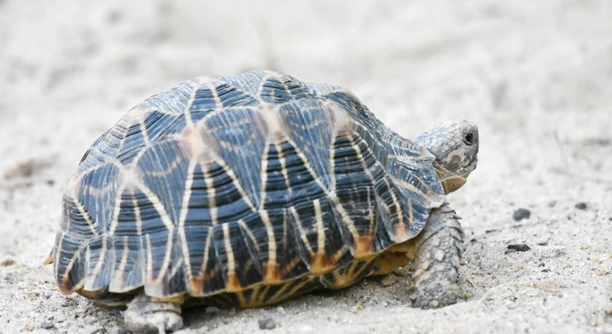
Is your turtle spending more time resting than usual, barely moving around its tank or basking area? A sluggish turtle can be a sign that something is off, and understanding the cause is essential for its well-being.
A turtle may become lethargic due to improper temperature, poor diet, illness, dehydration, or stress. These factors can impact its metabolism, energy levels, and overall health. Identifying the root cause early can help prevent serious complications and improve your turtle’s quality of life.
There is more to a turtle’s sluggish behavior than meets the eye. Recognizing the signs and making the right adjustments can ensure your turtle stays active, healthy, and happy.
Incorrect Temperature
A turtle’s environment plays a big role in its energy levels. If the water or basking area is too cold, your turtle’s metabolism slows down, making it lethargic. Turtles rely on external heat to regulate their body temperature, and without the right warmth, they become sluggish and inactive. On the other hand, if the tank is too hot, it can cause stress and discomfort, leading to unusual behavior. It’s important to maintain the correct temperature range for your turtle’s species to keep it healthy and active.
Keeping the right temperature balance is key. Water should stay within a safe range, and the basking area must be warm enough to support digestion and movement. A thermometer helps monitor these conditions.
A reliable heat source, like a basking lamp and a heater, ensures your turtle gets the warmth it needs. Regularly check and adjust temperatures to prevent lethargy and keep your turtle in good health.
Poor Diet
A turtle’s diet directly affects its energy levels. If your turtle isn’t getting the right nutrients, it may become weak and inactive. Lack of vitamins, protein, and calcium can cause serious health problems, including sluggishness and a weakened immune system.
Turtles need a mix of proteins, leafy greens, and commercial pellets to stay strong. Younger turtles require more protein for growth, while adults need a balanced diet with plenty of vegetables. Feeding only one type of food can lead to nutritional deficiencies, making your turtle feel sluggish. Overfeeding can also cause obesity, which affects mobility and overall health.
A varied diet is essential. Fresh vegetables like kale and carrots provide vitamins, while proteins like insects or cooked fish support muscle strength. Calcium is important for shell health, so adding supplements or cuttlebone helps. Ensuring your turtle eats a well-balanced diet will keep it active and thriving.
Illness
Lethargy is a common sign of illness in turtles. Respiratory infections, parasites, and shell rot can make a turtle feel weak and inactive. Other symptoms like swollen eyes, lack of appetite, or wheezing may also appear, signaling the need for immediate care.
Respiratory infections occur when turtles are exposed to cold temperatures or poor water quality. Signs include open-mouth breathing, mucus, and frequent floating. Parasites, such as internal worms, can drain energy, causing weight loss and inactivity. Shell rot, a bacterial or fungal infection, leads to soft, discolored patches on the shell, making movement uncomfortable. Recognizing these issues early is crucial for effective treatment.
A vet visit is necessary if symptoms persist. Treatment may include antibiotics, deworming medication, or improved tank conditions. Regular tank cleaning, proper diet, and maintaining the right temperature can prevent most illnesses. Addressing health problems quickly ensures your turtle stays active and healthy.
Dehydration
Even aquatic turtles need proper hydration. Without enough fresh water, they become sluggish and may experience dry skin, sunken eyes, and difficulty shedding. Dehydration can occur if the water dish is too small, the humidity is too low, or the turtle isn’t drinking enough.
A turtle’s habitat should have clean, chlorine-free water available at all times. Soaking land turtles in shallow water for about 20 minutes can help with hydration. For aquatic turtles, keeping the water deep enough to encourage swimming ensures they stay hydrated. Adding a humid hide or misting the enclosure can also prevent excessive dryness.
Dehydration can lead to more serious health issues if left untreated. Signs like flaky skin, lethargy, and lack of appetite should be addressed immediately. Providing clean water, monitoring humidity levels, and ensuring your turtle drinks regularly will keep it healthy and full of energy.
Stress
Frequent handling, sudden changes in the environment, or loud noises can stress a turtle, making it lethargic. A stressed turtle may hide more often, refuse food, or become less active. Reducing disturbances and providing a stable, quiet environment can help it feel more comfortable.
Poor tank conditions, such as overcrowding or incorrect lighting, can also cause stress. Turtles need space to swim, bask, and hide. Ensuring the tank is properly set up with enough room, clean water, and a balanced light cycle can make a big difference in their overall well-being.
Lack of UVB Light
Turtles need UVB light to absorb calcium and stay active. Without it, they can develop metabolic bone disease, leading to weakness, lethargy, and soft shells. A high-quality UVB bulb should be used daily and replaced every six months for optimal health.
Inadequate Tank Setup
A poorly designed tank can limit movement and cause inactivity. Turtles need a spacious habitat with clean water, a sturdy basking area, and proper filtration. A cramped or dirty tank can lead to stress and health problems, making your turtle sluggish and unresponsive.
FAQ
Why is my turtle not moving but still alive?
A turtle that isn’t moving but is still breathing may be too cold, stressed, sick, or hibernating. Check the temperature of the water and basking area, as cold temperatures slow their metabolism. If the environment is fine, observe for other signs like swelling, mucus, or shell discoloration, which could indicate illness. If your turtle remains inactive for an extended period, a vet visit is recommended.
How can I tell if my turtle is sick?
Sick turtles often show symptoms like lethargy, lack of appetite, difficulty swimming, swollen eyes, runny nose, or soft spots on their shell. Respiratory infections can cause wheezing and open-mouth breathing, while parasites may lead to weight loss. Any unusual behavior or persistent symptoms should be checked by a veterinarian to ensure proper treatment.
What should I do if my turtle refuses to eat?
If your turtle stops eating, check the water temperature first. Cold temperatures slow digestion, making turtles less interested in food. Also, try offering a variety of foods, including live insects, leafy greens, and commercial turtle pellets. Stress or illness can also cause appetite loss, so monitor for other symptoms and consult a vet if the issue continues.
Can a lack of UVB light make my turtle lethargic?
Yes, turtles need UVB light to process calcium and maintain strong bones. Without it, they can develop metabolic bone disease, leading to weakness and inactivity. Make sure your turtle has access to a high-quality UVB bulb for 10–12 hours a day, replacing it every six months.
How do I help a stressed turtle?
Reducing handling, providing hiding spots, and keeping noise levels low can help a stressed turtle feel more secure. Ensure the tank is spacious, clean, and set up properly with a basking area, UVB lighting, and correct water parameters. Giving your turtle time to adjust to new changes can also help reduce stress.
What temperature should my turtle’s water be?
The ideal water temperature depends on the species but generally falls between 75–82°F (24–28°C). Hatchlings and young turtles need slightly warmer water, while adults can tolerate the lower end of the range. A reliable aquarium heater and thermometer help maintain a stable and appropriate temperature.
Can dehydration make my turtle sluggish?
Yes, dehydration can cause lethargy, dry skin, sunken eyes, and difficulty shedding. Aquatic turtles need clean, deep water for hydration, while land turtles should have access to fresh drinking water and regular soaking. If your turtle shows signs of dehydration, increase water availability and monitor its behavior closely.
How often should I clean my turtle’s tank?
A turtle’s tank should be partially cleaned weekly, with full cleanings done once a month. Remove uneaten food and waste daily to maintain water quality. A good filtration system helps keep the water clean, but regular maintenance is necessary to prevent bacterial growth and health issues.
Can a poor diet cause my turtle to be sluggish?
Yes, an unbalanced diet can lead to nutritional deficiencies, making your turtle weak and inactive. Turtles need a mix of protein, vegetables, and calcium supplements to stay healthy. Offering a varied diet with commercial pellets, leafy greens, and live protein sources ensures they get all the necessary nutrients.
When should I take my turtle to the vet?
A vet visit is necessary if your turtle shows signs of illness such as prolonged lethargy, loss of appetite, difficulty breathing, swollen eyes, or abnormal shell conditions. Regular check-ups can help catch potential health issues early and ensure your turtle stays in good condition.
Final Thoughts
A lethargic turtle is often a sign that something in its environment or health needs attention. Factors like incorrect temperature, poor diet, dehydration, stress, illness, lack of UVB light, and an inadequate tank setup can all contribute to sluggish behavior. Identifying the cause early can prevent serious health problems and help your turtle return to its normal activity level. Simple changes, such as adjusting the tank temperature, improving diet variety, or providing a better basking area, can make a big difference. Observing your turtle’s habits and responding to any unusual behavior quickly is key to keeping it healthy.
Providing a proper habitat with clean water, a spacious tank, and a consistent light cycle is essential for maintaining your turtle’s well-being. Regularly monitoring temperature, humidity, and water quality helps create a stable and comfortable environment. A well-balanced diet, including fresh vegetables, proteins, and calcium sources, supports strong growth and energy levels. Routine vet visits are also beneficial, especially if your turtle shows ongoing signs of illness or distress. Small adjustments in care can prevent bigger issues down the line, ensuring your turtle stays active and happy.
Turtles are resilient animals, but they still need the right conditions to thrive. Paying attention to their needs and making necessary improvements will keep them energetic and healthy. Whether it’s upgrading their tank, improving their diet, or reducing stress factors, every effort contributes to their overall quality of life. Keeping up with proper care routines and staying informed about their needs will help your turtle live a long and healthy life.

Hello,
If you enjoy the content that we create, please consider saying a "Thank You!" by leaving a tip.
Every little bit helps us continue crafting quality advice that supports the health, happiness, and well-being of pets around the world, for pets of all shapes, sizes, and species.
We really appreciate the kindness and support that you show us!