
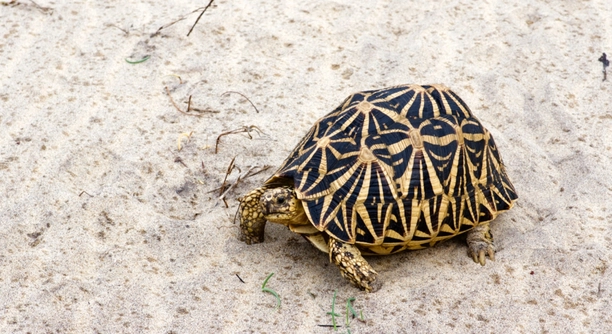
Taking care of a sick turtle can be a worrying task. You want to ensure it gets the right nutrients to help it recover. Proper feeding is crucial for its health and recovery during this time.
When feeding a sick turtle, offer foods that are easy to digest and high in nutrients. Avoid overfeeding and focus on providing a balanced diet, including vegetables, protein, and supplements. Keep the turtle hydrated and monitor its eating habits.
By following a few simple tips, you can help your turtle get back on track and improve its overall health.
Offering Easily Digestible Foods
When your turtle is sick, its digestive system may not be functioning at its best. The goal is to offer foods that are easy for it to process while still providing essential nutrients. Start by offering soft, moist foods like leafy greens or finely chopped vegetables. These are easier to digest and won’t put too much strain on a weakened system. Protein sources such as cooked chicken or fish can also be introduced in small amounts, but they should be soft and well-prepared.
It’s important to avoid hard-to-digest foods like certain fruits, nuts, or anything that could lead to further stomach upset. Choose options that don’t require a lot of energy to break down, like finely chopped leafy greens, zucchini, or carrots. Adding some calcium and vitamin supplements to its food can also be beneficial for healing.
A sick turtle needs to be fed foods that are soft and nutritious. This helps ensure it gets the right nourishment while it recovers. If your turtle doesn’t seem interested in its food, try offering different textures or warm water to encourage eating.
Hydration is Key
Proper hydration is essential when caring for a sick turtle. Keeping your turtle hydrated can help improve digestion and promote overall healing. Ensure that fresh water is always available, and you may also want to soak the turtle in warm water for about 15-20 minutes to help with hydration. This can be especially helpful for turtles that aren’t drinking as much.
Dehydration can worsen a turtle’s condition, so regular access to water is important. While soaking, it can also help your turtle feel more comfortable and relaxed. Sometimes sick turtles avoid drinking, but the warm water soak encourages them to hydrate naturally. If needed, you can also gently feed your turtle by offering water-rich foods like cucumbers or lettuce to further aid hydration.
Keeping your turtle hydrated not only supports its recovery but can help it feel more comfortable during the healing process. Just remember to monitor water temperature and provide clean, fresh water regularly. This small effort can make a significant difference in your turtle’s well-being.
Avoid Overfeeding
Overfeeding a sick turtle can lead to digestive issues and worsen its condition. Keep portions small and adjust based on the turtle’s appetite and activity level. Offering a variety of small, nutritious meals is better than giving one large serving.
It’s important to recognize when a sick turtle’s appetite has decreased. Avoid forcing it to eat too much at once. Instead, focus on giving small meals throughout the day. You want to encourage eating but not overwhelm the turtle’s system. It might take some time for your turtle to regain its usual appetite, and forcing too much food could cause additional stress.
Remember, your turtle is fragile during this time, so it’s better to offer less and monitor how much it actually eats. Offer a mix of soft vegetables and proteins that won’t be hard to digest. This approach ensures that the turtle gets proper nourishment without overloading its system.
Be Mindful of Food Temperature
The temperature of the food you offer to your sick turtle can influence its ability to eat. Cold food might be off-putting and make your turtle less likely to eat. Warm food, on the other hand, is often more appealing and easier to digest.
Warming food can help bring out natural scents that attract the turtle and make it more likely to eat. Just be sure not to overheat the food; it should be just warm enough to encourage consumption. To warm up vegetables or protein, lightly steam them or soak them in warm water for a few minutes before feeding them to your turtle.
It’s important to keep in mind that some turtles may be picky about the temperature of their food. Testing out different food temperatures can help you figure out what your turtle prefers. Keep an eye on their eating habits to determine whether this simple change makes a difference.
Offer a Variety of Foods
Offering a variety of foods can help stimulate your sick turtle’s appetite. Different textures and flavors may appeal to it more, encouraging it to eat. Try introducing a mix of leafy greens, vegetables, and proteins to keep meals interesting.
Variety is essential because it keeps your turtle from becoming bored with its food. If one food doesn’t seem to appeal to your turtle, another might. Introducing small amounts of new foods can also help ensure it receives a balanced diet while recovering. Just avoid offering too many different things at once to avoid overwhelming it.
Monitor Eating Habits
Keeping track of what your turtle eats is important for its recovery. Pay attention to how much it’s eating and whether it’s eating consistently. Monitoring this helps you assess its progress and adjust its diet accordingly.
If your turtle is eating less or refusing food, it might be time to make changes. Offering food in smaller amounts or changing textures could encourage it to eat. Look for patterns in its behavior and diet to provide the best care during recovery.
Provide Supplements When Needed
In some cases, your turtle may require additional supplements to support its recovery. Calcium and vitamins are especially important during this time to help boost its immune system and support overall health.
Offering supplements can be beneficial, especially if your turtle isn’t eating as much of its regular diet. You can mix these supplements into its food or offer them directly, depending on what your turtle prefers. Always ensure you’re using the right supplements recommended by a veterinarian.
FAQ
How do I know if my turtle is sick?
Signs of a sick turtle include lethargy, lack of appetite, swollen eyes, abnormal swimming, or a change in its shell condition. If your turtle seems unresponsive, refuses food for extended periods, or behaves unusually, it’s best to consult a veterinarian.
What should I feed my sick turtle?
Sick turtles benefit from easily digestible foods. Offer leafy greens like lettuce, dandelion, or collard greens. You can also try small amounts of soft protein like boiled chicken or fish. Always avoid hard-to-digest foods and anything that could upset the stomach further.
How often should I feed a sick turtle?
Feed your sick turtle in small amounts, two or three times a day. It’s better to offer smaller, more frequent meals than one large serving. Pay attention to its appetite and adjust the frequency if necessary, making sure to provide fresh water at all times.
Can I give my turtle fruit while it’s sick?
You can offer fruits in small amounts, but they should not be the primary food during illness. Fruits like strawberries, apples, or melons contain a lot of sugar, which can be tough on a sick turtle’s digestive system. Stick mainly to vegetables and proteins.
What if my turtle won’t eat?
If your turtle refuses food, try offering it different textures or warming the food slightly. You can also try soaking the turtle in warm water to help stimulate its appetite. If the refusal persists, seek professional help to address the issue.
Should I keep my turtle in water while it’s sick?
Yes, it’s essential to keep your turtle in a clean, warm environment. Ensure that the water temperature is appropriate for the species. Some sick turtles may feel more comfortable in warm water, which can also encourage them to eat and hydrate.
Can I give my turtle medicine?
You should only give medicine to your turtle if it’s prescribed by a veterinarian. Never give over-the-counter human medications, as these can be harmful. If your turtle needs medication, follow the vet’s instructions carefully to avoid making the condition worse.
How can I help my turtle stay hydrated?
You can keep your turtle hydrated by offering fresh, clean water at all times. Additionally, soaking your turtle in warm water for 15-20 minutes each day can help hydrate it and make it feel more comfortable. You can also offer water-rich vegetables like cucumbers.
What type of supplements should I give my sick turtle?
Calcium and vitamin supplements are often recommended for sick turtles. These help support bone health and boost the immune system. Always use supplements designed for reptiles, and make sure to follow the correct dosage as instructed by your vet.
How can I tell if my turtle is recovering?
Signs that your turtle is recovering include an improvement in appetite, more energy, and an overall return to its usual behaviors, like swimming and basking. If your turtle starts eating regularly and seems more active, it’s a good indication that recovery is underway.
Should I change my turtle’s environment when it’s sick?
If your turtle is sick, you may need to adjust its environment to help it heal. Ensure the water temperature is suitable, and consider providing a quiet, low-stress area for it to rest. Keeping the enclosure clean is vital for preventing further illness.
How do I prevent my turtle from getting sick in the future?
To prevent illness, maintain a proper diet with a variety of vegetables, proteins, and calcium. Keep the enclosure clean, monitor water quality, and ensure your turtle has access to UVB light and a basking area. Regular vet check-ups are also a good preventative measure.
What can I do if my turtle has shell problems?
If your turtle’s shell shows signs of injury, soft spots, or discoloration, consult a vet immediately. Shell problems are often linked to poor diet, infections, or environmental issues. Never try to treat shell problems on your own without professional guidance.
Can my turtle catch a disease from another turtle?
Yes, turtles can catch diseases from one another, especially if they are housed in unsanitary conditions or if they’re not quarantined properly. Always quarantine new turtles for a few weeks before introducing them to avoid spreading infections.
How long does it take for a turtle to recover from an illness?
The recovery time varies depending on the illness and the turtle’s age, size, and general health. It can take anywhere from a few days to a few weeks. Monitor your turtle closely, and seek help if there’s no improvement or if symptoms worsen.
Final Thoughts
Caring for a sick turtle can be a challenging experience, but with the right approach, most turtles can make a full recovery. The key to helping your turtle heal is to pay close attention to its diet, hydration, and environment. Offering easy-to-digest foods, ensuring fresh water is always available, and adjusting the temperature of its habitat can make a big difference. A little extra care, like adding calcium supplements or changing up the food to keep things interesting, can also help your turtle get back to feeling better.
It’s important to remain patient throughout the process. Healing doesn’t happen overnight, and every turtle is different. Some may recover quickly, while others may take more time. Monitoring its behavior and eating habits can help you track progress and make necessary adjustments. If your turtle’s condition doesn’t improve or seems to get worse, it’s essential to seek help from a veterinarian. Early intervention can prevent further complications and ensure the best chance for recovery.
In the end, the most important thing is to provide your turtle with a calm and supportive environment while it heals. Focus on creating a stress-free space, offering nutritious meals, and making sure the water conditions are optimal. With care, attention, and a little patience, your turtle should soon be back to its healthy, active self. Always remember to trust your instincts and seek professional advice if needed.

Hello,
If you enjoy the content that we create, please consider saying a "Thank You!" by leaving a tip.
Every little bit helps us continue crafting quality advice that supports the health, happiness, and well-being of pets around the world, for pets of all shapes, sizes, and species.
We really appreciate the kindness and support that you show us!