
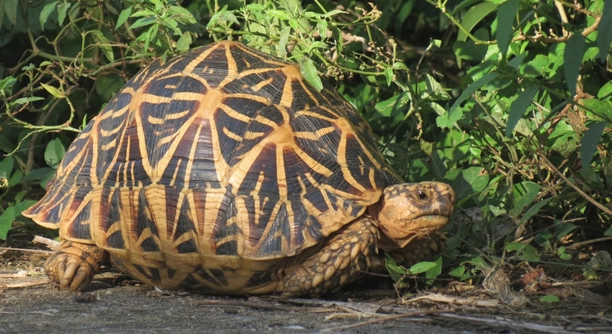
Turtles are wonderful pets, but sometimes they can show signs that concern their owners. One such issue is wrinkling of their skin, which can be confusing and worrisome. Understanding the cause of this can help.
Turtle skin wrinkles can occur due to dehydration, improper habitat conditions, or shedding issues. In some cases, the wrinkling may also be linked to health problems like infections or parasites, which require prompt attention.
Exploring the reasons behind wrinkled skin can help you provide better care for your turtle and keep them healthy. The solution might be simple or require a deeper look into their environment.
Causes of Wrinkled Skin in Turtles
When it comes to turtles, wrinkled skin is often a sign of something being off in their environment or health. A common reason for skin wrinkling is dehydration. Turtles rely on consistent access to water for proper hydration, and when they don’t get enough, their skin may dry out and wrinkle. In addition to dehydration, improper habitat conditions can also cause skin issues. If a turtle’s tank is too dry or too humid, it can affect their skin. Turtles also shed their skin regularly, and sometimes, the shedding process can cause wrinkles, especially if the old skin isn’t shedding properly.
Sometimes, skin problems may be more than just environmental. Turtles can suffer from infections, parasites, or other health issues that may cause their skin to appear wrinkled. If the wrinkling persists or worsens, it’s crucial to check for signs of illness and seek professional help.
If the wrinkling is more than just a one-time issue, it’s essential to pay close attention to your turtle’s water levels and living conditions. Keep track of any additional symptoms, like lethargy or appetite loss, that may indicate a bigger issue.
How to Prevent Wrinkling
To keep your turtle healthy and wrinkle-free, start with proper hydration. Make sure they always have access to clean, fresh water.
Maintaining the right environment in their tank is key. Make sure the humidity and temperature are within the correct range for the species. Regular tank cleaning and proper UV light exposure are also important for a turtle’s skin health. When shedding is an issue, it may help to gently soak your turtle to assist with the shedding process, making sure they are hydrated.
Dehydration and Wrinkled Skin
Dehydration is one of the most common reasons for skin wrinkles in turtles. It affects their overall health, and if not addressed, it can lead to more serious issues. Turtles that are not drinking enough water or living in an environment that lacks sufficient humidity may begin showing signs of dehydration.
To prevent dehydration, make sure your turtle has constant access to clean water. If your turtle is in a tank, it’s important to maintain the water at a proper level and ensure it’s changed regularly. You may also want to place a water dish or shallow pool within their reach, allowing them to drink as they please. Adding humidity to the environment with a proper humidity gauge will also help.
Sometimes turtles won’t drink water as often as they should, especially if they’re not feeling well or stressed. If you notice wrinkling skin and suspect dehydration, soaking your turtle in lukewarm water for about 20 minutes can help them absorb moisture. Keep a close watch on their behavior and look for any signs of dehydration like lethargy.
Skin Shedding Problems
Turtles shed their skin in a process that can sometimes lead to wrinkling, especially if the old skin isn’t coming off properly. When they shed, the outer layers of their skin are replaced, and sometimes this process can become uneven. If the old skin sticks to the new layers, it may cause wrinkles.
In some cases, the shedding process is just slower than usual, and the wrinkles will clear up once the skin fully sheds. But if the skin isn’t shedding in the proper way, it can cause discomfort for the turtle. Regular soaking can help, and sometimes a gentle rub can help remove the excess skin.
If you see that your turtle’s skin is shedding improperly or remains wrinkled for too long, consider adjusting their habitat conditions. Ensuring proper humidity and soaking your turtle may help with this process. Regular care is key to keeping their skin healthy.
Infections and Skin Issues
Infections can cause your turtle’s skin to become wrinkled and irritated. Bacterial or fungal infections can affect the skin, leading to swelling, redness, and wrinkling. These infections may also result in sores or discolored patches on the turtle’s skin.
If your turtle’s skin is showing signs of infection, it’s important to address it immediately. Keeping their tank clean and properly maintaining water quality can help prevent these issues. If you notice persistent wrinkling or other concerning symptoms, a visit to the vet is essential for proper treatment.
Parasites and Wrinkling Skin
Parasites can also contribute to wrinkled skin in turtles. These tiny organisms can affect your turtle’s overall health, leading to dehydration and skin changes. Parasites may cause itching, discomfort, or even visible changes in skin texture.
Regular health checkups and keeping their habitat clean are the best ways to prevent parasitic infestations. If you suspect parasites, it’s best to take your turtle to a vet for testing and treatment. Proper care ensures that your turtle stays healthy and free from unwanted invaders.
FAQ
What should I do if my turtle’s skin is wrinkled?
If your turtle’s skin is wrinkled, first check if dehydration is the cause. Ensure your turtle has constant access to fresh water. You can also soak them in lukewarm water for about 15-20 minutes to help with hydration. If the wrinkling doesn’t go away or if you see other signs like lethargy or loss of appetite, consider visiting a vet. They may need to check for infections, parasites, or other underlying issues. Also, ensure that the humidity and temperature levels in their habitat are appropriate.
How do I know if my turtle is dehydrated?
A dehydrated turtle will show signs like wrinkled or dry skin, lethargy, and a lack of appetite. The eyes may look sunken, and the skin around the neck and legs might appear loose or saggy. If you notice these signs, you should immediately provide access to fresh water and consider soaking them to help hydrate them. Keep their tank clean and maintain proper humidity levels to prevent dehydration in the future.
Can skin wrinkling be caused by improper tank conditions?
Yes, improper tank conditions can contribute to wrinkled skin. If the tank is too dry or too humid, it can lead to skin problems. Turtles require a balanced environment with a warm temperature and adequate humidity. If the tank’s humidity level is too low, it can dry out their skin, leading to wrinkles. On the other hand, too much humidity can lead to mold growth and skin infections. Be sure to maintain the right balance by using a humidity gauge and adjusting the tank as needed.
How can I tell if my turtle has a skin infection?
Signs of a skin infection in turtles include redness, swelling, pus, or sores on the skin. The skin may also appear discolored, or the turtle may scratch or rub the affected area. If you notice any of these symptoms, it’s important to visit a vet immediately. They can diagnose the type of infection and provide the proper treatment. Keeping the turtle’s tank clean and ensuring proper water quality can help prevent skin infections from developing.
Are parasites a common cause of wrinkled skin?
Parasites can cause skin problems in turtles, including wrinkling. If a turtle has an infestation, it may experience skin irritation, dehydration, and changes in skin texture. Parasites like external mites or internal worms can stress the turtle’s body and lead to skin issues. Regular health checkups are important for detecting parasites early. If you notice abnormal skin changes or behavior, a vet will be able to perform tests and recommend treatment to remove any parasites.
How do I help my turtle shed its skin properly?
If your turtle is having trouble shedding its skin, soaking them in warm water can help. This will soften the old skin and make it easier to come off. Gently rub the skin with a soft cloth if it’s stuck. Make sure the humidity levels in their tank are high enough, as low humidity can interfere with proper shedding. If the problem persists, or if there are signs of infection or discomfort, it’s best to consult a vet.
Can I treat wrinkled skin on my turtle at home?
Yes, you can address wrinkled skin at home by ensuring proper hydration and maintaining the right environmental conditions. Soaking your turtle in clean, lukewarm water for about 15-20 minutes can help them rehydrate. Make sure their tank has the proper temperature and humidity. However, if the wrinkling persists, or if there are additional signs of infection or health issues, it’s important to seek professional care from a vet.
How often should I clean my turtle’s tank to prevent skin issues?
It’s important to clean your turtle’s tank regularly to prevent skin issues caused by poor water quality. You should clean the tank at least once a week, removing debris and changing the water. Use a filter to keep the water clean and maintain proper chemical balance. If your turtle has skin issues, cleaning the tank more often might be necessary to help reduce bacteria and other contaminants that could irritate their skin.
Is wrinkling skin always a sign of a health problem in turtles?
Not always. Occasionally, turtles may have wrinkled skin due to normal shedding, dehydration, or environmental changes. However, if the skin wrinkling is persistent, accompanied by other symptoms like lethargy, loss of appetite, or changes in behavior, it could indicate a health issue like an infection or parasites. Always monitor your turtle’s overall condition and seek a vet’s advice if you’re concerned.
How can I keep my turtle’s skin healthy?
To keep your turtle’s skin healthy, maintain a clean and properly maintained habitat. Ensure they have constant access to fresh water and adequate humidity. Provide UVB lighting to help with their overall well-being. Regularly check for signs of dehydration or skin infections and address any concerns promptly. By following these steps, you can promote good skin health and overall comfort for your turtle.
Final Thoughts
Turtle skin wrinkling is often a sign that something isn’t quite right, but it’s important not to panic. Many times, the cause of wrinkled skin is a simple issue like dehydration, improper tank conditions, or a shedding problem. If your turtle’s skin starts to wrinkle, the first step is to make sure they have access to clean water and the proper humidity in their tank. Soaking your turtle in warm water for a short time can help rehydrate them if needed. Ensuring that their tank is clean and maintained at the right temperature and humidity levels is essential for preventing skin issues.
If wrinkling persists despite addressing these basic care elements, it’s worth considering other possibilities, such as infections or parasites. Skin infections can develop quickly and may cause redness, swelling, or visible sores. Parasites can also stress your turtle’s body and lead to wrinkling and other symptoms. In these cases, seeing a vet for a diagnosis is the best course of action. Early treatment will help prevent further complications and ensure your turtle remains healthy. A professional can also help identify any other underlying health issues that may not be immediately obvious.
Ultimately, maintaining your turtle’s overall health requires regular attention to their living conditions and behavior. Monitoring their skin for signs of wrinkling or other changes can help you spot potential problems early. By providing a clean, properly set-up tank, ensuring good hydration, and paying attention to any changes in their behavior, you can avoid most common skin issues. If in doubt, a vet can offer valuable advice to make sure your turtle stays happy and healthy for years to come.

Hello,
If you enjoy the content that we create, please consider saying a "Thank You!" by leaving a tip.
Every little bit helps us continue crafting quality advice that supports the health, happiness, and well-being of pets around the world, for pets of all shapes, sizes, and species.
We really appreciate the kindness and support that you show us!