
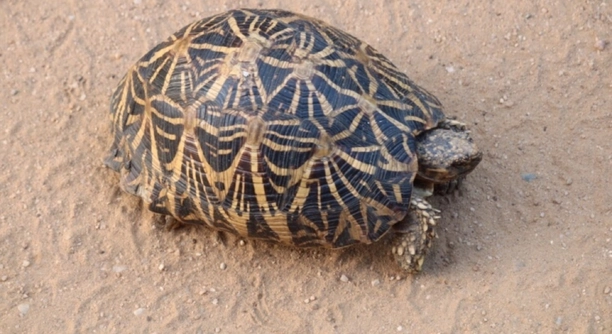
Feeding a picky turtle can be a challenge, but it’s possible to find the right approach. Understanding what appeals to them and providing variety in their diet is key. This article will cover helpful tips to navigate this process.
The most effective way to feed a picky turtle is to offer a diverse diet that includes leafy greens, fruits, and specialized turtle pellets. It’s important to rotate foods to maintain their interest and meet their nutritional needs, ensuring balanced health.
Finding the right foods for your turtle can be tricky, but with the right approach, you’ll have them eating well. Keep reading for tips that can make feeding easier.
Offer a Variety of Foods to Keep Them Interested
Turtles can be picky eaters, especially if they’re not given enough variety. Just like people, they can get bored of eating the same foods daily. By offering a mix of leafy greens, fruits, and vegetables, you can keep their interest high. Turtles are more likely to try different foods if they’re offered a range of textures and flavors. Some popular greens to offer include romaine lettuce, dandelion greens, and collard greens. You can also include fruits like strawberries, blueberries, and watermelon, but only in moderation, as they are high in sugar.
It’s important to switch up the foods regularly. Turtles, like us, prefer a little variety, and having a selection of items to choose from will keep them excited and engaged with their meals. If they turn their nose up at one food, try offering something else.
One way to make meals more enticing is to offer them food in different shapes or textures. Turtles are naturally curious and will often investigate something that looks different. Try cutting up fruits and veggies into small pieces or offering them in a different shape. You could even try adding some cooked food for variety. This approach not only adds interest to their diet but also encourages them to explore new foods that are good for them.
Keep the Right Balance of Protein and Vegetables
Protein is essential for a turtle’s growth and overall health. Offering protein-rich foods like crickets, worms, or specially formulated turtle food will ensure they are getting what they need. In addition to protein, vegetables should form the bulk of their diet. This combination promotes well-rounded health.
Vegetables like leafy greens, squash, and carrots are perfect for providing necessary nutrients. Offering a balance between protein and vegetables will encourage your turtle to consume a variety of foods and maintain a healthy diet.
Offer Food at the Right Time
Turtles tend to eat more at specific times of the day, often when they’re most active. Feeding them in the morning or late afternoon can align with their natural habits. This will help them stay more engaged with their food and encourage them to try new options.
If your turtle isn’t eating at all, try changing the time you offer food. Some turtles are more inclined to eat when they feel alert and active. Offer their food after a little playtime or a warm soak in the water, as they’ll be more likely to eat during these periods.
Avoid overfeeding your turtle, as this can lead to them ignoring their meals. Keep portions moderate and don’t leave food in the tank for long periods, as it may spoil and become unappealing. Fresh food offered at the right time will attract their attention.
Be Patient and Give Them Space
It can take some time for a picky turtle to accept new foods, so patience is key. Don’t rush or force them to eat certain items. Allowing them to explore food at their own pace gives them the space to develop their taste preferences.
Turtles can be cautious about new foods, especially if they’re not used to the texture or taste. If they’re hesitant, don’t be discouraged. Keep offering a variety of healthy foods regularly, but don’t be too forceful. Let them nibble when they’re ready. It may take a few tries before they’re willing to try something new.
Another approach is to mix a familiar food with a new one. This can help your turtle ease into trying something different without overwhelming them. Don’t forget to remove uneaten food after a couple of hours to avoid attracting pests or causing it to spoil.
Use Different Feeding Methods
Turtles may respond better to food presented in different ways. Try offering food on a shallow dish or by hand. This change in presentation can spark their interest and encourage them to eat.
By offering food in unique ways, like placing it near a basking spot or underwater, you can appeal to their natural behaviors. Some turtles prefer to forage for food, while others may be more interested if food is placed where they can easily access it.
Experimenting with these feeding methods helps you find what works best for your turtle, leading to better feeding habits.
Avoid Overfeeding with Treats
Treats should be given sparingly. Too many treats can upset their balance and cause picky eating habits. Focus on giving a variety of healthy, staple foods to keep them properly nourished.
Feeding your turtle too many high-fat or sugary treats will not only spoil their appetite for more nutritious food but also affect their health. Stick to small amounts of treats like mealworms or fruits, and balance them with their main diet of vegetables and greens.
FAQ
How often should I feed my picky turtle?
Feeding frequency depends on your turtle’s age and activity level. Younger turtles typically need to be fed daily, while adult turtles can be fed every other day. Offering food in small amounts at the right time of day ensures they stay interested and active without overfeeding. Adjust their feeding schedule as they grow and monitor their behavior to determine the best routine.
What are the best foods for a picky turtle?
Turtles are often picky about food, but the right variety can help. Offer a mix of leafy greens like kale, collard greens, and dandelion greens. Fruits such as strawberries, apples, and watermelon work well, but they should be given in moderation due to their sugar content. A balance of vegetables and protein sources, like insects or turtle pellets, will also keep them satisfied.
How do I get my turtle to eat vegetables?
If your turtle refuses vegetables, try offering them in different ways. Cut vegetables into smaller pieces or mix them with more appealing foods, such as fruits or protein. Heating the veggies slightly or soaking them in water can help bring out the aroma and texture, making them more enticing. Turtles may also be more willing to try vegetables when they are hungry and haven’t been overfed with treats.
Should I feed my turtle in water or on land?
Turtles are natural foragers and may eat differently depending on their environment. Some turtles prefer eating in water, especially if they are aquatic species. Others may eat more readily on land, where they can bask and feel more comfortable. Observe your turtle to see where they are more likely to engage with food and stick to that method.
Can I feed my turtle pellets every day?
Turtle pellets are a convenient and balanced food option, but they should not be the sole diet. While you can feed them pellets daily, it’s important to supplement with fresh vegetables, fruits, and protein. A varied diet is essential for providing all the necessary nutrients for your turtle’s health. Too many pellets can lead to nutrient imbalances.
What can I do if my turtle isn’t eating?
If your turtle isn’t eating, there could be a few reasons. First, check the water temperature, as turtles may stop eating if they’re too cold. Ensure their habitat is set up properly with the correct lighting and basking area. If the environment is fine and the turtle still refuses to eat, it could be a health issue, and you may need to consult a vet.
Can I give my turtle human food?
While it’s tempting to share food with your turtle, human food should be avoided. Many common foods are not suitable for turtles and could harm them. Foods like processed snacks, dairy, or anything high in salt or sugar are not recommended. Stick to the natural foods that are appropriate for their species and age.
How do I prevent my turtle from getting bored with its food?
To keep your turtle interested in food, offer a variety of options and switch up the presentation. Try different textures, shapes, and temperatures. For example, you can freeze fruits and vegetables for a refreshing treat, or place food in various spots around the enclosure to make it more engaging. Regularly rotate food types to prevent monotony.
Are there any foods I should avoid feeding my turtle?
Yes, some foods should never be fed to turtles. Avoid feeding them foods high in oxalates like spinach, as it can interfere with calcium absorption. Also, avoid foods that are toxic to turtles, such as avocado, onions, and rhubarb. Processed foods, too, can lead to health issues, so it’s best to stick with fresh, natural options.
How can I encourage my turtle to eat more protein?
If your turtle is refusing protein, you may need to try a variety of sources. Offer live foods like crickets, worms, or small fish. You can also offer freeze-dried or frozen protein sources, such as shrimp or bloodworms. Some turtles are more inclined to eat protein if it’s introduced gradually or mixed with other food they enjoy.
Final Thoughts
Feeding a picky turtle can take patience, but it’s not impossible. Turtles are creatures of habit, and with time, they’ll get used to new foods and feeding routines. The key is to provide a balanced diet that includes a mix of leafy greens, fruits, protein, and occasional treats. Experimenting with different textures and feeding methods will help you figure out what works best for your turtle, so don’t be afraid to try new things.
Remember that each turtle has its own preferences and personality, so what works for one may not work for another. Some turtles may love certain fruits while others may turn them away. It’s important to stay patient and consistent. Also, keep an eye on their environment. Turtles are more likely to eat when they feel comfortable, so ensure their habitat is set up correctly with the right temperature, lighting, and water quality. This will help them stay active and engaged, making them more likely to eat.
Lastly, while feeding a picky turtle may seem challenging at times, it’s a rewarding experience that can lead to better care and understanding of your pet. Over time, you’ll learn the signs of hunger and the foods they enjoy most. By offering a variety of foods and giving them the time they need, you’ll create a healthy and happy feeding routine for your turtle. Keep things fresh, and you’ll find that even the pickiest eater will eventually enjoy their meals.

Hello,
If you enjoy the content that we create, please consider saying a "Thank You!" by leaving a tip.
Every little bit helps us continue crafting quality advice that supports the health, happiness, and well-being of pets around the world, for pets of all shapes, sizes, and species.
We really appreciate the kindness and support that you show us!