
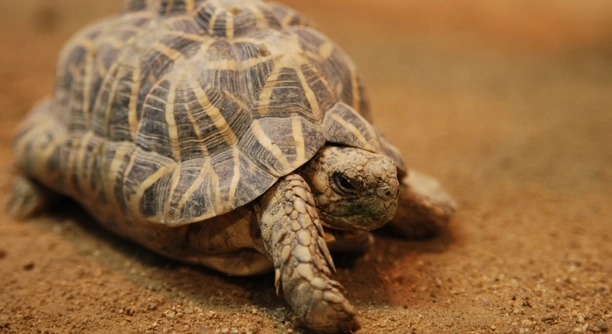
Turtles, like all pets, need proper care to stay healthy. Keeping their skin moist is crucial to their well-being. If you’re a turtle owner, understanding how to maintain their skin health can make a big difference in their overall health.
To keep your turtle’s skin moist and healthy, ensure they have access to the right environment, including a humidity-controlled habitat, regular baths, and the proper diet. Using moisturizing products specifically designed for turtles can also be beneficial.
Learning about turtle care can be the first step to ensuring they live a long, happy life. This guide will help you create the perfect environment for your turtle’s skin health.
The Importance of Humidity in a Turtle’s Habitat
Maintaining the right humidity level is essential for your turtle’s skin. In their natural environment, turtles often live in humid areas, so recreating this in their habitat is vital. If the humidity is too low, your turtle’s skin will dry out, leading to issues like cracking or peeling. It can also result in shedding problems that can be uncomfortable for your pet. Using a humidity gauge in their enclosure is a simple way to monitor this.
A humidity range of 60-80% is ideal for most turtle species. Ensure your turtle’s tank has adequate airflow to prevent mold or mildew but still retains moisture. You can use a misting system or a shallow water dish to keep the air moist around your turtle.
One of the easiest ways to maintain this balance is by using a humidity-controlled enclosure. These enclosures come with built-in systems that regulate the humidity, making it easier to maintain proper skin health. If a humidity system is not an option, frequent misting and proper water dish cleaning will also do the job.
Regular Baths for Skin Health
Bathing your turtle can help maintain healthy skin. A warm bath can aid in hydration and skin shedding, preventing excessive dryness. Regular baths also help keep your turtle’s shell clean.
Bathing your turtle is simple, but the water temperature should be just right—warm but not too hot. Always use dechlorinated water to avoid irritation. You can use a shallow container that allows your turtle to move around comfortably. Bathing also gives you the chance to inspect your turtle’s skin for any potential issues. If they’re reluctant to bathe, don’t force it; make it a positive experience.
In addition to moisturizing their skin, baths allow you to check for other signs of health problems, such as soft or discolored patches on the skin or shell. A healthy turtle will enjoy bath time, so be sure to make it part of their routine.
Use of Moisturizing Products
Moisturizing products made specifically for turtles can help keep their skin healthy. These products are designed to hydrate without causing harm or irritation. It’s important to use only those products that are safe for reptiles.
When choosing a moisturizer, make sure it’s formulated for reptiles. Avoid human lotions or creams, as they may contain chemicals harmful to turtles. Gently apply the moisturizer to your turtle’s skin, focusing on dry or cracked areas. Regular use can prevent dehydration and support skin renewal, especially during shedding periods. Always check that the product is non-toxic before using it.
Moisturizing your turtle also aids in regulating their skin’s natural oils, which keeps it soft and hydrated. If your turtle has a history of dry skin, consider moisturizing every few days. Regular care is key to maintaining skin that’s both healthy and protected. It’s always best to keep the process stress-free for your turtle, using a gentle touch.
Proper Diet for Healthy Skin
Your turtle’s diet plays a significant role in skin health. A well-balanced diet ensures they receive essential nutrients that support their overall well-being and skin condition.
Turtles need a variety of vitamins and minerals to keep their skin moisturized. Foods high in Vitamin A, like dark leafy greens, help with skin repair and shedding. Omega-3 fatty acids, found in fish or supplements, contribute to healthy skin and coat. A proper diet also helps prevent dehydration, which is often a cause of dry skin. It’s crucial to feed your turtle a mix of protein, vegetables, and calcium-rich foods for optimal health.
When offering food, be sure to adjust your turtle’s meals based on its species and age. Juvenile turtles may require more protein for growth, while adults need more plant-based foods for overall health. The right balance in their diet can make a noticeable difference in skin condition.
Provide Access to Water
Access to fresh water is important for keeping your turtle’s skin moist. Turtles should have a clean water source at all times. This helps with hydration and skin health.
Having a water dish in the tank allows your turtle to stay hydrated. It’s important to change the water regularly to keep it clean and free of bacteria. Some turtles enjoy soaking in water, which can help with skin shedding and moisture retention. Make sure the water is shallow enough for them to comfortably enter.
Avoid Overheating
Turtles can easily become overheated if their habitat is too warm. Excessive heat can lead to dry skin and dehydration. It’s essential to provide a temperature gradient in their enclosure, with cooler and warmer areas.
Heat lamps are great for providing warmth but should not be placed directly over the turtle for extended periods. Ensure the basking area has a temperature of around 85°F to 90°F, with cooler areas between 70°F to 75°F. This balance prevents overheating and supports hydration. You should always monitor temperatures regularly, as extreme fluctuations can be harmful.
Proper Lighting
Turtles need proper lighting for their overall health, including their skin. UVB light is essential for promoting vitamin D3 production, which aids in calcium absorption. This is important for both their skin and shell health.
Without UVB lighting, turtles can develop metabolic bone disease, which can affect their skin and shell structure. It’s crucial to provide UVB light for 10-12 hours a day, and replace the bulb every six months to ensure it remains effective. Proper lighting also helps maintain a natural day-night cycle for your turtle, keeping their internal systems regulated.
FAQ
How can I tell if my turtle’s skin is too dry?
Dry skin in turtles can be identified by looking for signs such as flaky, cracked, or peeling skin. If you notice that your turtle’s skin feels rough or the shedding appears excessive, it’s likely they are experiencing dryness. Another sign is if your turtle is scratching or rubbing its skin against objects in its habitat. If these symptoms appear, it’s a good idea to increase humidity levels, provide more hydration, and possibly moisturize the skin with a reptile-safe product.
What should I do if my turtle’s skin starts peeling?
Peeling skin is natural during the shedding process, but excessive peeling or shedding without regrowth may indicate dehydration or poor environmental conditions. Ensure your turtle has access to the proper humidity and water. A warm bath can help with shedding, and moisturizing can keep the skin healthy. If the peeling persists and seems abnormal, consider consulting a vet to rule out infections or other underlying health issues.
Is it safe to use human lotions on my turtle’s skin?
No, human lotions or creams should never be used on a turtle’s skin. These products often contain chemicals, fragrances, or preservatives that could irritate their skin or be harmful if ingested. Always use moisturizing products specifically designed for reptiles, as they are made with safe ingredients that won’t cause damage.
How often should I bathe my turtle?
You should bathe your turtle at least once a week, though you can bathe them more often if needed. Regular baths help with hydration, skin shedding, and general cleanliness. Make sure the water is lukewarm and clean, and always provide a shallow space for your turtle to comfortably soak in. If your turtle seems to need extra moisture, such as during shedding, you can bathe them more frequently.
How can I keep the humidity levels consistent in my turtle’s tank?
Maintaining the correct humidity can be tricky, but it’s possible with a few simple steps. A humidity gauge can help you monitor the moisture levels in the tank. To increase humidity, you can use a misting system, a humidity dome, or a shallow water dish. It’s essential to make sure that the water is changed regularly to prevent bacterial growth, and keep the air circulating properly to avoid mold buildup. Ensure the tank has a humidity level between 60% and 80% for most species.
What are the best foods to support healthy skin for my turtle?
To support healthy skin, focus on feeding your turtle a balanced diet rich in vitamins A and E. Leafy greens like kale and dandelion are excellent sources of Vitamin A. You can also include foods like carrots or squash, which contain beta-carotene. Omega-3 fatty acids found in fish or supplements will help with skin hydration and prevent dryness. Calcium-rich foods like cuttlefish bone or calcium powder should also be included in their diet to support overall health.
What can I do if my turtle has soft or damaged skin?
Soft or damaged skin in turtles can be a sign of dehydration, poor nutrition, or improper care. If your turtle’s skin is soft or looks unhealthy, focus on improving their diet, hydration, and environmental conditions. Increase humidity, ensure they are eating nutrient-rich food, and provide proper lighting. If there are wounds or visible infections, it’s important to consult a veterinarian for appropriate treatment. Damaged skin can also be a sign of a more serious condition like shell rot or fungal infections.
How can I make my turtle’s tank more comfortable?
Making your turtle’s tank comfortable starts with maintaining the proper temperature and humidity. Ensure your tank has a basking spot with the right warmth and a cooler area where they can retreat. A clean water source and space to swim are essential. Adding natural decorations like rocks, plants, or logs can also create hiding spots that make your turtle feel more secure. Always make sure the tank is large enough to provide plenty of space for your turtle to move around.
Why is my turtle scratching its skin?
Turtles often scratch their skin when it feels dry or itchy, which is common during shedding. It can also be a sign of irritation or discomfort. Check if the humidity is low or if the water in the tank is clean enough. If the scratching persists, you may want to examine your turtle’s skin for any infections or parasites. Regular baths, proper humidity, and moisturizing products can reduce the urge to scratch. If the behavior continues, it’s best to consult a vet.
Can I use a heat lamp to help with skin health?
Yes, a heat lamp can be beneficial for providing warmth in your turtle’s habitat, which helps regulate their overall health and skin condition. However, you must avoid overheating, as this can lead to dehydration and dry skin. Make sure the basking area is around 85°F to 90°F, and provide a cooler spot for your turtle to retreat if they get too warm. Using a heat lamp correctly can ensure your turtle has a healthy balance of warmth and hydration.
Should I keep my turtle indoors or outdoors for better skin health?
Whether you keep your turtle indoors or outdoors depends on the species, but both environments can support healthy skin as long as their needs are met. For outdoor turtles, ensure they have access to shaded areas and a water source to keep their skin moist. Indoor turtles can thrive with controlled temperature, humidity, and lighting, which you can manage more easily. Ultimately, both indoor and outdoor environments require regular maintenance to ensure your turtle’s skin stays healthy.
Can I apply aloe vera to my turtle’s skin?
Aloe vera is generally safe for turtles in small amounts and can be used to soothe minor skin irritations or burns. However, it’s essential to make sure the aloe vera gel is pure and free of additives like alcohol. Always test a small amount on a small area of your turtle’s skin before applying it more broadly. If your turtle shows signs of discomfort or irritation, remove the aloe vera immediately and consult a vet.
Final Thoughts
Taking care of your turtle’s skin is an important part of overall turtle care. Turtles rely on their environment to stay healthy, and the right conditions can make a big difference in their skin health. By ensuring proper humidity, hydration, and diet, you can prevent most skin issues and help your turtle thrive. It’s also essential to keep an eye on their skin for signs of dryness, peeling, or irritation. If problems arise, taking action quickly will help your turtle feel better and avoid more serious health concerns.
Regular baths, moisturizing products, and the correct lighting are also important tools in maintaining skin health. Offering your turtle the right balance of temperature, humidity, and nourishment supports not just their skin, but their overall well-being. It’s a simple but effective way to show you care and ensure they have a comfortable and healthy life. Remember, even small changes in their care routine can make a big difference, whether it’s adding extra moisture to their habitat or providing the right vitamins in their diet.
Lastly, each turtle is different, and what works for one may not work for another. Be patient, observe your turtle closely, and adjust their care as needed. If you notice any persistent issues, like irritation or shedding problems, don’t hesitate to reach out to a veterinarian who specializes in reptiles. With proper care and attention, your turtle’s skin will stay healthy, and they will enjoy a long, happy life in your care.

Hello,
If you enjoy the content that we create, please consider saying a "Thank You!" by leaving a tip.
Every little bit helps us continue crafting quality advice that supports the health, happiness, and well-being of pets around the world, for pets of all shapes, sizes, and species.
We really appreciate the kindness and support that you show us!