
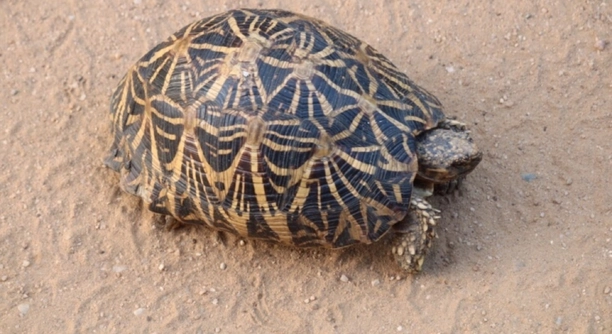
Turtles often exhibit curious behaviors that can leave their owners wondering what’s going on. One such behavior is rubbing their back on objects, which can have various causes. Understanding these actions helps ensure your turtle’s well-being.
Turtles may rub their back on objects as a way to shed old skin, relieve itchiness, or remove parasites. This behavior can also be a sign of stress, discomfort, or a need for environmental changes, such as more space or basking time.
These actions are common, but knowing what’s behind them can help keep your turtle comfortable and healthy. Let’s explore the reasons for this behavior and how you can address it.
Reasons for Rubbing: Skin and Shell Issues
Turtles have a special way of shedding old skin, which can sometimes cause discomfort. When their skin gets tight or begins to peel, they may rub against objects to help remove it. This is completely natural and part of their growth process. Turtles often rub their backs against rocks, branches, or tank walls to help with shedding. In some cases, it can also serve as a way to scrape off any stuck dirt or algae. If your turtle is rubbing its back frequently, it could be due to skin irritation or an issue with the shedding process.
If the rubbing happens regularly, it’s important to check your turtle’s environment. Make sure the tank is clean and that there’s enough space for your turtle to move around comfortably. If the skin problem seems persistent, consulting a vet may be necessary.
Regularly cleaning the tank and offering a basking area with proper UV lighting will help ensure that your turtle’s skin remains healthy and free of irritations. Overcrowding can also lead to stress, which may cause rubbing. Consider adding more hiding spots or objects for your turtle to explore and feel secure.
Stress and Environmental Factors
Stress can make a turtle act out in strange ways, and rubbing is one of them. If your turtle feels anxious due to an uncomfortable environment, it may rub against objects to cope. Factors like water temperature, lighting, and tank size can all play a role in your turtle’s stress levels. Too much noise or disruption in the home can also disturb your turtle’s sense of security.
Creating a calm, controlled environment is key to your turtle’s well-being. Make sure the water temperature stays within the proper range, and check the lighting to ensure it’s not too harsh. A proper basking area with adequate UV exposure is also essential for your turtle’s overall health. Adding plants, rocks, and hiding spots can provide a safe space for your turtle to retreat when it feels stressed.
Turtles are sensitive creatures, and environmental stress can take a toll on them over time. If the rubbing becomes frequent and seems linked to a change in their habitat, it’s worth evaluating the setup to ensure everything is optimal. Also, if you notice other signs of distress, such as loss of appetite or lethargy, it might be time to take your turtle to the vet for a check-up.
Parasites and Infections
Parasites and infections can lead to discomfort, causing your turtle to rub its back. These organisms can irritate the skin, making your turtle try to get rid of them by rubbing against surfaces. Infections can also cause swelling, making it hard for your turtle to move properly.
If you suspect parasites or an infection, it’s important to act quickly. A vet can perform tests to determine the cause and provide the proper treatment. In some cases, antifungal or antibacterial medications might be needed. Ensure the water is clean, as bacteria and parasites thrive in dirty environments.
Maintaining a clean habitat and monitoring your turtle’s health regularly is crucial for preventing these issues. Keeping a proper filtration system and changing the water often can reduce the chances of infection. Also, if your turtle starts showing signs like red or inflamed skin, it’s best to consult a professional for advice.
Shell Damage
Shell damage can be another reason your turtle rubs against objects. If there are cracks, chips, or any form of injury, your turtle may try to rub the area to soothe the pain. Shell injuries can happen from rough surfaces or interactions with other turtles.
When a turtle experiences shell damage, it can be quite painful for them. A visit to the vet is necessary to assess the extent of the injury. In some cases, shell repairs can be done using specific treatments to prevent infection. Keeping the turtle in a stress-free environment can help in its recovery.
Turtles with shell injuries need extra attention. You should avoid placing them in environments where the injury might worsen. Take precautions to ensure the tank has smooth surfaces, and be mindful of how your turtle interacts with other pets. Over time, the turtle may stop rubbing once it has healed, but regular check-ups are key.
Poor Tank Conditions
If your turtle’s tank isn’t set up properly, it can lead to rubbing. Water that’s too dirty or too warm can cause discomfort, while poor lighting can affect their behavior. Turtles rely on clean environments to thrive, and problems here can trigger unusual actions like rubbing.
Make sure to maintain the water temperature and cleanliness. A proper filtration system is essential to keep the tank free from debris and bacteria. Regular water changes and proper tank decorations can also help your turtle feel more at ease. A proper basking spot should always be available for warmth and UV light.
Temperature and Lighting Issues
Turtles depend on specific temperature and lighting conditions for health. If these aren’t met, it can cause stress, discomfort, and unusual behavior. For instance, improper heating or lack of UV light may lead your turtle to rub against objects in an attempt to find relief.
Ensuring that your turtle has access to both a heated area and a well-lit basking spot is important. UVB lighting helps with shell and bone health, while heat allows your turtle to regulate its body temperature. Without these conditions, your turtle might feel discomfort and rub to cope.
Overcrowding
Overcrowding can cause stress and competition for space, leading to rubbing. If your turtle shares its tank with too many others, it may feel threatened or have to fight for resources. This stress can manifest in unusual behaviors like rubbing on objects.
If your turtle is sharing its space with other animals, consider the tank size. A more spacious environment will help reduce stress and allow each turtle to claim its space. Providing separate hiding spots can also alleviate competition and make the environment more comfortable for all of them.
FAQ
Why does my turtle rub its back on objects?
Turtles often rub their backs on objects to remove old skin, relieve itchiness, or even scratch their backs to get rid of parasites. It’s also a way for them to soothe themselves if they feel stressed or uncomfortable due to environmental factors. Regular rubbing can sometimes indicate skin irritation or discomfort caused by issues like improper tank conditions, parasites, or shell damage. If the rubbing continues frequently, it’s important to assess your turtle’s environment and overall health.
How can I tell if my turtle is stressed?
Turtles may show signs of stress by rubbing against objects, hiding more often, or becoming more aggressive. They might also refuse to eat or move around less than usual. Stress can be caused by many factors, such as overcrowded living conditions, changes in water temperature, poor lighting, or even loud noises. If your turtle starts acting differently, it’s a sign that something in its environment needs to be adjusted.
Should I be worried if my turtle is rubbing its back constantly?
While occasional rubbing can be normal, constant rubbing may indicate that something is wrong. It could be a sign of skin irritation, an infection, or stress. If the behavior persists or if you notice other symptoms like swelling, loss of appetite, or lethargy, it’s best to consult with a veterinarian. Keeping the tank clean and ensuring it meets your turtle’s needs can help prevent discomfort.
Can poor water quality make my turtle rub its back?
Yes, poor water quality can lead to skin problems, irritations, or even infections, which can make your turtle rub against objects. Dirty water may contain bacteria or parasites that affect your turtle’s health. It’s important to maintain a clean environment with proper filtration, and ensure regular water changes. Keeping the water temperature and pH levels in the right range is also essential to prevent discomfort.
What are the signs of shell damage in a turtle?
If your turtle has shell damage, you might notice cracks, chips, or soft spots on the shell. The turtle may also rub its back or shell against objects to try to relieve discomfort or pain. If the damage is severe, the turtle might be reluctant to move or eat. A damaged shell can also lead to infections, so it’s important to get it checked by a vet.
Is it normal for my turtle to rub on rocks or tank walls?
Yes, it’s normal for turtles to rub on rocks or tank walls. This behavior is often related to the shedding process or can be a way for them to scratch an itchy back. It can also help them remove debris or algae that might have collected on their skin. As long as it’s not excessive or accompanied by signs of distress, this behavior is generally harmless.
What temperature should the water be for my turtle?
Water temperature is crucial for your turtle’s health. For most species, the water should be between 75°F and 80°F (24°C to 27°C). If the water is too cold, your turtle can become sluggish and stressed, which may lead to rubbing behavior. If it’s too warm, it could cause skin irritation or affect their overall well-being. Keeping a thermometer in the tank will help you monitor the temperature consistently.
Do I need to worry if my turtle is rubbing its back on the basking spot?
If your turtle is rubbing its back on the basking spot, it could be related to shedding, but it could also indicate an issue with the basking area. Check that the spot is at the correct temperature and has proper UVB lighting. A too-warm or poorly-lit basking area can cause discomfort, leading your turtle to rub against the surface. Also, make sure that the area is smooth, without rough edges that could irritate the skin.
How often should I clean my turtle’s tank?
Regular cleaning is important for maintaining a healthy environment. You should change about 20-30% of the water weekly and fully clean the tank every 4-6 weeks. Cleaning includes scrubbing the walls, removing debris, and disinfecting any surfaces that might have bacteria. If you notice your turtle rubbing more than usual, it might be a sign that the water needs to be changed or that the tank is too dirty.
Can my turtle rub its back because of a fungal infection?
Yes, fungal infections can cause skin irritation or discomfort, leading to rubbing. If your turtle has a fungal infection, you might notice white or discolored spots on its skin or shell. This condition is often related to poor water quality or excessive moisture. A vet can help diagnose the issue and provide antifungal treatments if needed. Regular tank maintenance is key to preventing fungal infections in the first place.
How can I help my turtle feel less stressed?
To reduce stress, make sure your turtle’s tank is spacious, clean, and has a proper basking area with the right lighting. Avoid overcrowding and make sure your turtle has plenty of hiding spots to feel secure. Also, keep the environment quiet and free from constant disturbances. A well-maintained tank with the right temperature and water quality will help your turtle feel at ease.
What should I do if my turtle is rubbing due to parasites?
If your turtle is rubbing because of parasites, you may notice signs like red, irritated skin, lethargy, or abnormal swimming patterns. A veterinarian can perform tests to determine the specific parasite and recommend treatments such as anti-parasitic medications. In the meantime, ensure the tank is cleaned and the water quality is optimal to prevent further spread.
Final Thoughts
Rubbing is a common behavior in turtles, but it’s important to understand what’s causing it. In many cases, turtles rub their backs on objects as part of their natural shedding process or to relieve skin irritation. This can also be a sign of discomfort due to environmental factors like poor water quality, temperature issues, or even stress. If your turtle rubs occasionally, it’s usually nothing to worry about. However, if the behavior is frequent or accompanied by other signs of distress, it may be time to take a closer look at your turtle’s health and environment.
It’s essential to maintain proper tank conditions for your turtle’s well-being. A clean tank with the correct water temperature, good filtration, and UV lighting will help prevent many common issues that lead to rubbing. Regular water changes and careful monitoring of your turtle’s environment can make a significant difference in preventing skin and shell problems. Additionally, providing enough space and hiding spots will reduce stress, which is another common trigger for rubbing. If you ever notice your turtle showing signs of discomfort or excessive rubbing, take the time to assess the situation and make any necessary adjustments.
If the rubbing continues and you notice other symptoms like loss of appetite, lethargy, or changes in behavior, it’s important to consult a veterinarian. Issues like shell damage, infections, or parasites can cause serious health concerns and need professional care. A vet can help determine the exact cause of the rubbing and provide guidance on treatment. Taking proactive steps to keep your turtle’s environment clean and healthy can help prevent these problems from arising in the first place, ensuring your turtle stays happy and comfortable in its home.

Hello,
If you enjoy the content that we create, please consider saying a "Thank You!" by leaving a tip.
Every little bit helps us continue crafting quality advice that supports the health, happiness, and well-being of pets around the world, for pets of all shapes, sizes, and species.
We really appreciate the kindness and support that you show us!