
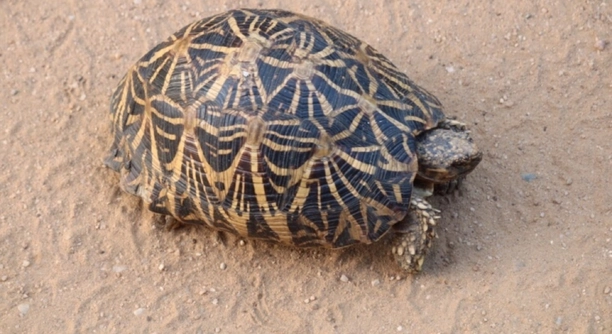
Turtles are fascinating creatures, but when their shells start developing cracks, it can be concerning. Understanding the causes of these cracks is important for ensuring your turtle’s well-being and health. Let’s explore why this might happen.
Cracks in a turtle’s shell can be caused by various factors, including poor diet, environmental stress, dehydration, or physical injury. Inadequate humidity levels, lack of calcium, or improper handling can also contribute to shell damage, leading to cracks.
Knowing the reasons behind these cracks can help prevent further damage and support your turtle’s overall health. Understanding the root causes is essential for taking the proper steps to care for your pet.
Common Causes of Cracks in Turtle Shells
Turtles rely on a strong, healthy shell for protection, but cracks can develop for a variety of reasons. One major factor is diet. Without enough calcium, a turtle’s shell becomes weak and prone to damage. Calcium is vital for shell growth and repair, and a deficiency can lead to deformities or cracks. Additionally, an improper environment contributes to shell issues. Turtles need proper humidity and temperature levels to stay healthy. Without these conditions, their shells can dry out, making them more brittle and susceptible to cracks. Another factor is dehydration. When turtles don’t get enough water, their shells can start to suffer from dryness, leading to cracks over time.
A balanced diet with calcium-rich foods and maintaining proper environmental conditions can help prevent these issues.
To keep your turtle’s shell healthy, ensure they have access to clean water and a proper habitat. UVB lighting is also essential for their health, as it helps them metabolize calcium and avoid shell problems.
What Happens if the Shell Cracks?
When a turtle’s shell cracks, it can become a serious concern. The shell is not just a protective barrier; it also serves to shield internal organs. If a crack becomes too deep, it can expose the turtle to infections. Cracks also disrupt the turtle’s ability to regulate temperature and humidity within its shell, which can cause further health problems. Even minor cracks, if left untreated, can worsen over time and cause long-term damage.
It’s important to address cracks as soon as you notice them. Keep an eye on your turtle’s behavior for signs of pain or discomfort. If the crack is severe, it’s best to consult a vet immediately.
Treating a cracked shell involves carefully cleaning the wound to prevent infection. Depending on the severity, a vet might apply topical ointments or even perform shell repairs using special materials. It’s essential to monitor your turtle’s condition after treatment to ensure the crack heals properly. If untreated, the risk of complications increases, so acting quickly is crucial.
Preventing Future Shell Cracks
Taking preventive measures is the best way to avoid shell cracks. Make sure your turtle gets the proper nutrients, especially calcium. Adding calcium-rich foods like leafy greens or a calcium supplement will help maintain their shell strength. Additionally, setting up their habitat correctly is essential. Provide a warm, humid environment to prevent shell dryness and cracking. Ensure that your turtle has access to clean water, and always change the water regularly to keep it fresh. Regularly checking the condition of your turtle’s shell can also help catch problems early before they escalate into cracks.
By paying attention to their diet and environment, you can significantly reduce the risk of shell damage. It’s not just about preventing cracks; it’s about ensuring your turtle stays healthy overall.
The Role of Humidity in Shell Health
Humidity is a key factor in maintaining your turtle’s shell health. If the humidity level is too low, the shell can dry out, causing cracks and making it more fragile. Turtles need a moist environment to keep their shells flexible and strong.
To ensure the proper humidity level, place a humidity gauge in your turtle’s enclosure. Ideal humidity levels range between 50% and 70%, depending on the species. Use a water dish large enough for your turtle to soak in, and mist the enclosure daily to maintain moisture. This simple step can make a big difference in preventing shell damage.
If humidity is too high, it can cause other issues, like mold growth or respiratory problems. Balancing humidity with proper ventilation is essential. Proper care of your turtle’s environment will reduce stress and promote a healthier shell.
The Importance of a Balanced Diet
A proper diet is vital for maintaining the health of your turtle’s shell. A lack of essential nutrients, especially calcium and vitamin D3, can lead to weak shells that crack easily. Turtles require a balanced mix of vegetables, protein, and supplements to keep their shells strong.
Calcium plays a major role in shell development. Without it, the shell can become soft and brittle, leaving it vulnerable to injury. Vegetables like kale, dandelion greens, and collard greens are excellent sources of calcium. Adding supplements designed for reptiles can help fill any nutritional gaps in their diet.
Make sure your turtle also gets enough protein, particularly if it’s a species that’s omnivorous. A variety of food ensures that they receive the nutrients needed to keep their shell in top condition. Feeding your turtle a balanced diet is the first step in preventing cracks and keeping them healthy.
Handling Your Turtle Properly
Handling your turtle the right way is crucial to prevent stress or injury. Avoid dropping your turtle or allowing it to fall, as the impact can crack its shell. Always lift them gently and support their body properly. Mishandling can cause more harm than you may realize.
Turtles have delicate shells, and rough handling can create fractures, especially in younger or smaller turtles. The best way to handle your turtle is by supporting both sides of its shell while lifting. Never pick them up by the tail or legs. Proper care while handling will help avoid unnecessary stress and damage.
The Impact of Physical Injury
Physical injuries are a common cause of cracks in a turtle’s shell. Accidents, like falling or being hit by objects, can result in visible cracks. It’s important to prevent these types of incidents in your turtle’s environment. Safe habitats reduce the risk of injury.
If your turtle has experienced physical trauma, inspect the shell closely for any cracks or damage. If you notice any, take your turtle to a vet for an evaluation. Early treatment can prevent further complications and promote proper healing. Keeping their environment safe is key.
Stress and Its Effect on the Shell
Stress plays a significant role in shell health. When turtles are stressed, their immune system weakens, making them more susceptible to illness and injury. This can lead to changes in the shell, including cracks. Reducing stress is essential for your turtle’s overall well-being.
Factors like overcrowding, improper temperature, or lack of hiding places can all increase stress. Creating a calm, comfortable environment for your turtle will help them feel safe and relaxed. A stable habitat allows your turtle to thrive and prevents shell damage related to stress.
FAQ
What should I do if I notice a crack in my turtle’s shell?
If you spot a crack in your turtle’s shell, it’s important to assess the severity first. For minor cracks, gently clean the area with warm water and ensure your turtle’s environment is stable. You can apply an antibacterial ointment to the area to prevent infection, but it’s crucial to keep an eye on the crack. If the crack is large or deep, take your turtle to a vet for proper treatment. In many cases, the vet will repair the shell using special materials and ensure no internal damage has occurred.
How can I prevent shell cracks in my turtle?
Prevention is key to ensuring your turtle’s shell stays strong. Make sure your turtle has a balanced diet, especially with calcium and vitamin D3, to support shell health. Keep the humidity levels and temperature in their environment at appropriate levels to prevent dehydration or shell drying. Also, handle your turtle carefully and avoid sudden falls or rough movements. Lastly, ensure your turtle has enough space in its enclosure and is not under any stress from overcrowding or a lack of hiding spots.
What if my turtle is not eating? Could it affect its shell?
If your turtle is not eating, it could be a sign of stress, illness, or an improper diet. Lack of nutrition, especially calcium, can contribute to weak shells and even cracks. You should monitor their eating habits and consult a vet if they are consistently refusing food. A poor diet can lead to various health issues, including problems with the shell. Ensure you are offering a variety of appropriate foods like leafy greens, protein, and calcium supplements, depending on your turtle’s species.
Can water quality affect my turtle’s shell health?
Yes, poor water quality can contribute to shell damage. Dirty water can harbor harmful bacteria that may lead to infections or irritate your turtle’s skin, which in turn affects its shell. Regularly clean and change the water in the tank, and use a filter to maintain good water quality. Also, be sure that the water is at the proper temperature for your turtle’s species. A clean, well-maintained habitat is essential for overall turtle health, including the shell.
What are the signs of an infected turtle shell?
An infected turtle shell will usually show signs of swelling, discolored patches, or a foul smell. The infected area may appear soft or puffy, and your turtle might become more lethargic than usual. If you notice these signs, take your turtle to a vet immediately. Shell infections can worsen if not treated quickly, leading to long-term damage. Proper cleaning, proper diet, and maintaining environmental conditions can help prevent infections, but it’s essential to get professional help if an infection occurs.
Can my turtle’s shell heal naturally?
Turtle shells have some natural healing ability, but it depends on the extent of the crack or injury. Small, minor cracks can often heal over time, especially if the turtle is in a stable, healthy environment. However, larger cracks or significant damage may need medical intervention. In such cases, a vet may need to use special materials or techniques to help the shell heal properly. Providing a proper diet, clean water, and safe handling can also encourage natural healing.
Should I give my turtle supplements for shell health?
Yes, providing supplements can be beneficial, especially if your turtle’s diet is lacking in certain nutrients. Calcium and vitamin D3 supplements are particularly important for maintaining a healthy shell. Without enough calcium, a turtle’s shell can become weak and prone to cracking. Consult a vet to determine the right type of supplement for your turtle’s specific needs. It’s always a good idea to balance supplements with natural food sources to ensure the turtle gets a well-rounded diet.
How can I tell if my turtle is stressed?
Stressed turtles may display several signs, including lethargy, loss of appetite, and hiding more often than usual. They may also become more aggressive or avoid interaction. If your turtle is constantly pacing in its tank or seems anxious, this could be a sign of stress. Overcrowding, inadequate habitat conditions, or sudden changes in the environment can all contribute to stress. Creating a stable, quiet, and safe environment for your turtle can help reduce stress and prevent shell problems.
Is it safe to clean my turtle’s shell with soap or chemicals?
No, it’s never safe to clean a turtle’s shell with soap, chemicals, or harsh cleaners. These substances can cause irritation and harm to the turtle’s skin and shell. The best way to clean a turtle’s shell is with warm water and a soft brush. If there is debris or algae buildup, gently scrub it off with a toothbrush or sponge. Always avoid anything that could introduce harmful chemicals into your turtle’s environment.
How often should I check my turtle’s shell?
It’s a good idea to check your turtle’s shell regularly for signs of cracks, injuries, or infections. This can be done during routine handling or while cleaning their enclosure. Inspecting your turtle’s shell at least once a week can help you catch any potential issues early before they worsen. If your turtle has had previous shell problems or is older, more frequent checks may be necessary to ensure its shell stays healthy.
Can physical activity cause cracks in my turtle’s shell?
Normal physical activity is important for your turtle’s health and should not cause cracks in the shell. However, excessive roughness or mishandling can result in damage. If your turtle is placed in an environment where it’s constantly bumping into sharp objects or falling, that could cause cracks. Ensure that your turtle’s enclosure is safe, with smooth surfaces and no sharp edges. Encourage healthy activity without putting them at risk of injury.
Can environmental temperature affect my turtle’s shell?
Yes, improper temperature can negatively impact your turtle’s shell. Too much heat or cold can cause stress, dehydration, or even shell cracking. Make sure to maintain a proper temperature gradient in the turtle’s enclosure, with a warm basking area and a cooler area to regulate its body temperature. For most turtles, a basking spot around 85-90°F (29-32°C) is ideal, while the water temperature should be kept between 75-80°F (24-27°C). Keeping the right temperature helps avoid shell issues related to stress or environmental factors.
Final Thoughts
Turtle shell cracks can be a worrying sight, but understanding the causes and how to prevent them can make a big difference. A turtle’s shell is essential for its protection, and taking care of it ensures that your turtle stays healthy and happy. From diet to habitat conditions, everything plays a role in the overall health of the shell. Making sure your turtle gets the right nutrients, like calcium, and lives in a properly maintained environment is one of the most effective ways to prevent cracks and damage.
Regularly checking your turtle’s shell for cracks or signs of damage is important. If you notice any issues, act quickly to clean the area and, if necessary, consult a vet. Small cracks may heal on their own with the right care, but deeper or more serious injuries may require professional attention. By staying proactive and monitoring the condition of your turtle’s shell, you can help prevent further complications. Proper handling and safe environmental conditions are also crucial in protecting your turtle from physical injuries that could lead to shell cracks.
Taking these steps, such as keeping your turtle’s habitat clean, offering a balanced diet, and ensuring they get enough calcium and UVB light, will help your turtle thrive. A healthy shell is a sign of a healthy turtle, and it’s up to you as a pet owner to provide the right care to ensure that your turtle stays protected. Being mindful of the factors that affect shell health allows you to enjoy the company of your turtle for many years to come.

Hello,
If you enjoy the content that we create, please consider saying a "Thank You!" by leaving a tip.
Every little bit helps us continue crafting quality advice that supports the health, happiness, and well-being of pets around the world, for pets of all shapes, sizes, and species.
We really appreciate the kindness and support that you show us!