
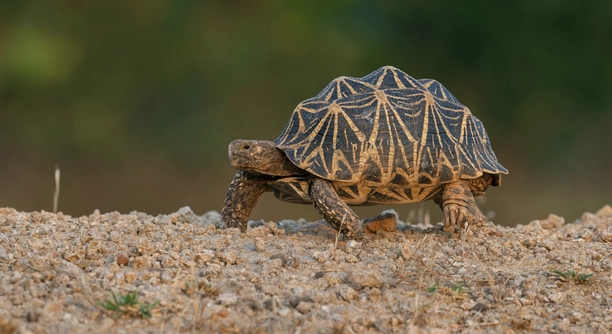
Creating a naturalistic turtle tank involves recreating an environment that mimics their natural habitat. This not only provides comfort but also ensures the turtle’s health and happiness. A carefully designed tank can make all the difference in their well-being.
To create a naturalistic turtle tank, you should focus on adding plants, rocks, and water features that resemble the turtle’s natural environment. Incorporate basking spots, appropriate lighting, and filtration to maintain water quality, which will promote health and prevent stress.
There are simple yet effective ways to bring nature into your turtle’s home. In the following sections, you’ll learn how to transform your tank into a thriving, realistic habitat.
Choosing the Right Tank Size
The size of your turtle tank is crucial for their health. A good rule of thumb is to have at least 10 gallons of water per inch of your turtle’s shell length. This gives them enough space to swim and explore, which is essential for their physical and mental well-being. If you have more than one turtle, you’ll need to increase the tank size accordingly.
A larger tank also helps maintain better water quality, as it can hold more water, reducing the buildup of waste and harmful chemicals. It’s easier to filter and clean a big tank, which ultimately lowers the stress on your turtle.
Before setting up, ensure your tank has the appropriate filtration system and a lid to prevent any escapes. A tank that is too small will not provide the proper environment for your turtle to thrive, so always prioritize size when choosing a tank. The more space they have, the happier and healthier they’ll be.
Adding Plants and Substrate
Adding plants and substrate to your turtle tank helps create a more natural environment. Use aquatic plants like water lettuce, hornwort, or anubias to mimic the turtle’s natural habitat.
Plants not only enhance the aesthetic of the tank but also improve water quality by absorbing excess nutrients. Choose plants that can tolerate being submerged in water, as turtles love to nibble on them. Adding a substrate like gravel or smooth river rocks gives your turtle a more realistic area to explore. This can be a great addition to their swimming and basking zones.
Proper Lighting and Temperature
Turtles need both UVB lighting and heat to stay healthy. UVB light helps them synthesize vitamin D3, which is essential for calcium absorption and shell growth. Place a UVB bulb over the basking area for about 10-12 hours a day.
The basking spot should also have a heat source, typically a heat lamp, to maintain a temperature of around 85-90°F. The water temperature should be between 75-80°F, so invest in a good aquarium heater. It’s important to provide these temperature gradients to mimic the varying temperatures found in their natural environment.
By offering a proper lighting and temperature setup, you ensure your turtle can regulate its body temperature by moving between the heat source, basking area, and cooler zones. Keeping these conditions stable is key to preventing stress and health problems.
Creating a Basking Area
A basking area is essential for your turtle to dry off and absorb UVB rays. This area should be easily accessible and dry, such as a flat rock or a floating platform. Make sure the surface is textured enough to allow your turtle to climb out of the water.
The basking area needs to be positioned directly under the UVB light and heat source to provide warmth. This will encourage your turtle to bask for the necessary amount of time. Be sure the area isn’t too high, as turtles may have trouble getting out if it’s too steep. Keep it safe, stable, and within reach.
A properly set up basking area will allow your turtle to relax, stay dry, and maintain a healthy lifestyle, crucial for both their physical and mental health. Having an accessible, safe basking spot can prevent stress and promote good shell development.
Filtration and Water Quality
A good filtration system is vital for maintaining clean water. The filter should be powerful enough to handle the tank size and the amount of waste produced by your turtle.
Choose a filter that removes both solid and dissolved waste. Proper filtration helps keep the water clear, reduces the buildup of harmful substances, and promotes a healthier environment.
Regular water changes are also necessary, even with a filter, to ensure the water stays clean. Testing the water regularly for ammonia, nitrites, and nitrates can help you monitor water quality.
Tank Decorations and Hiding Spots
Adding decorations and hiding spots in the tank is important for your turtle’s mental health. Provide logs, rocks, or caves where your turtle can retreat when it feels stressed or wants privacy.
Hiding spots make your turtle feel secure and less anxious. They also mimic the natural habitat, where turtles can seek shelter from predators or extreme weather. Keep the decorations stable to avoid them falling over. Proper hiding spots are essential for creating a balanced and natural environment in your turtle’s home.
Providing a Safe Environment
Make sure the tank is escape-proof to keep your turtle safe. Turtles can be surprisingly agile, so a secure lid is necessary to prevent them from climbing out.
Check the tank regularly to ensure there are no cracks or loose parts. This will also help maintain the water temperature and quality.
FAQ
How often should I clean my turtle tank?
Cleaning your turtle tank should be done regularly to maintain good water quality. A partial water change should be done once a week, with about 25-50% of the water replaced. If you notice the water getting cloudy or smelly, it’s time for a full clean. Scrub the tank walls and decorations to remove algae build-up. Check the filter regularly and clean it according to the manufacturer’s instructions to ensure it’s running effectively. If your tank is heavily stocked or you have a larger turtle, you may need to clean more frequently.
What should I feed my turtle?
Turtles are omnivores, so a balanced diet is important. Feed them a variety of foods, including commercial turtle pellets, leafy greens like kale and lettuce, and occasional protein like crickets, worms, or small fish. Be sure to provide calcium supplements, either in the form of cuttlebone or a calcium powder, to support healthy shell growth. Avoid feeding them too much protein, as it can lead to shell deformities. Fresh vegetables and aquatic plants should make up a large portion of their diet.
Can I put other animals in the same tank with my turtle?
It’s not always a good idea to put other animals in the same tank as your turtle. Many turtles can be territorial and may harm or stress other tank mates. If you do want to try, be cautious about the species you choose. Fish that are small enough to fit in your turtle’s mouth are at risk, and other reptiles or amphibians may not fare well. Some turtles can coexist with larger fish, but it depends on the temperament of your turtle. Always monitor the interactions carefully.
Do I need a UVB light for my turtle?
Yes, UVB light is essential for your turtle’s health. It helps them produce vitamin D3, which is vital for calcium absorption and shell growth. Without UVB, turtles can develop metabolic bone disease, which can be painful and debilitating. Place the UVB light over the basking area to ensure they get the necessary exposure. Keep the light on for 10-12 hours a day, and replace the bulb every 6 months, as UVB strength diminishes over time.
What is the ideal water temperature for my turtle?
The water temperature should be kept between 75-80°F (24-27°C). This temperature range is ideal for most species of turtles, as it encourages natural behavior and metabolism. Use an aquarium heater to maintain the temperature and a thermometer to check it regularly. If the water is too cold, your turtle may become lethargic, and if it’s too hot, they may become stressed. Always ensure the basking area is warmer than the water to allow your turtle to regulate its body temperature.
How do I prevent my turtle from escaping the tank?
Turtles can be surprisingly good at escaping, so it’s important to have a secure lid on the tank. Make sure the lid is heavy enough that your turtle can’t push it open. Some turtles can climb, so be cautious with taller tanks as well. Ensure all tank openings are sealed, and check the tank’s corners and edges for any gaps where they might escape. If you have a tank with a screen top, consider adding a heavier cover or securing it with clips.
Can I use tap water in my turtle tank?
Tap water is usually fine for your turtle, but it depends on the quality of your local water. Some tap water contains chlorine or chloramine, which can harm your turtle. To be safe, treat the water with a dechlorinator before adding it to the tank. Test the water for ammonia, nitrites, and nitrates regularly to ensure it’s safe. If your tap water is very hard or soft, you may need to adjust it with water conditioners to ensure it’s within the right range for your turtle.
How do I know if my turtle is stressed?
Signs of stress in turtles include a lack of appetite, swimming aimlessly or in circles, frequent basking without eating, and hiding. A stressed turtle may also appear lethargic, or its shell may appear pale or soft. Stress can be caused by poor water quality, inadequate lighting, or an overcrowded tank. Ensure your turtle has plenty of space, a proper basking area, and a balanced environment to prevent stress. If these behaviors persist, it’s best to consult with a veterinarian.
Do turtles need a filter?
Yes, turtles need a filter. They produce a lot of waste, and without proper filtration, the water can become polluted quickly. A good filter will help remove waste, chemicals, and debris, maintaining clean water. It also prevents the buildup of harmful bacteria and toxins. Choose a filter that is suitable for the size of your tank and the number of turtles you have. Regular maintenance, including cleaning and changing the filter media, is essential to keep the water in optimal condition.
What kind of substrate is best for a turtle tank?
The best substrate for a turtle tank is smooth river rocks or gravel, as they provide a natural environment for your turtle to walk on. Avoid using sharp or small gravel that can be ingested, which could cause choking or internal damage. You can also use bare-bottom tanks, which are easy to clean and prevent substrate from being ingested. Some people prefer to use sand, but it’s less ideal because turtles may accidentally swallow it. Always choose a substrate that’s easy to clean and safe for your turtle to avoid any health risks.
Final Thoughts
Creating a naturalistic turtle tank is essential for your turtle’s well-being. By providing the right environment, you help your turtle stay healthy and happy. It’s important to focus on the basics like proper tank size, water quality, lighting, and temperature. Each of these factors plays a role in ensuring your turtle thrives in its new home. Small details like adding plants and creating a safe basking area can also make a big difference, giving your turtle a more comfortable and secure space to live in.
While setting up your tank may take some time and effort, the rewards are worth it. A well-maintained tank will reduce stress for your turtle and make it easier to care for. Consistent cleaning and water monitoring will keep everything in good condition, and proper lighting and temperature will help maintain your turtle’s health. The more closely you can mimic their natural habitat, the more your turtle will flourish. Over time, you’ll see the benefits of a thriving, well-designed tank.
Remember, caring for a turtle involves regular observation and maintenance. Keeping an eye on water conditions, food intake, and general behavior will help you spot any problems early. Be patient with the setup process, and take the time to learn about your turtle’s needs. With the right setup and attention, you can provide a safe and enjoyable home for your turtle that will last for many years.

Hello,
If you enjoy the content that we create, please consider saying a "Thank You!" by leaving a tip.
Every little bit helps us continue crafting quality advice that supports the health, happiness, and well-being of pets around the world, for pets of all shapes, sizes, and species.
We really appreciate the kindness and support that you show us!