
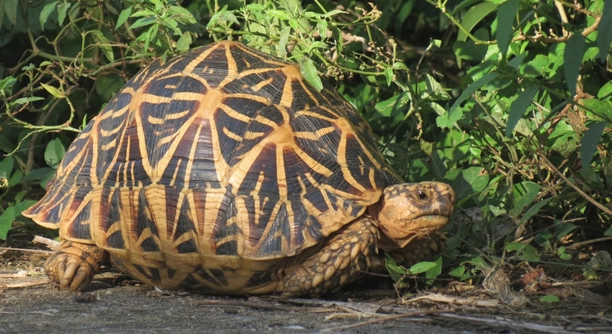
If you’ve noticed your turtle scraping its legs on rocks, you might be wondering what’s going on. It can be concerning when a pet’s behavior seems unusual or troubling. Understanding this behavior is important for their care.
Turtles often scrape their legs on rocks to shed old skin, clean themselves, or as a form of exercise. It may also be related to environmental factors, like the rough surfaces of their habitat, which encourage this behavior.
This simple habit may seem strange, but it’s usually harmless. Keep reading to learn how to tell if it’s normal or if your turtle needs some extra care.
Why Turtles Scrape Their Legs on Rocks
Turtles naturally scrape their legs on rocks for a variety of reasons. One common reason is shedding old skin. As reptiles, they regularly shed their outer layer, and rough surfaces like rocks help them remove it. In addition to shedding, turtles may scrape their legs for cleaning purposes. The rocks can assist in getting rid of dirt, algae, or other debris that may have accumulated on their skin. Scraping can also be part of their routine for stretching and exercising their limbs. This behavior is quite typical, and in most cases, it’s nothing to worry about.
Turtles may also scrape their legs on rocks to improve their mobility. These surfaces provide resistance, helping them strengthen their muscles, especially in the legs and feet. If a turtle has access to different surfaces, such as rocks or logs, it can use these opportunities to stay active.
This behavior is common in healthy turtles, but if you notice excessive scraping or signs of injury, you should investigate further. In such cases, an examination of their habitat and routine care can help resolve any concerns. Keeping their living space clean and providing enough variety in their environment can help prevent over-scraping.
When Scraping Becomes a Problem
Although scraping is typically harmless, it can become problematic if it leads to injuries. Repeated scraping can cause sores or abrasions, which can be painful for the turtle. Additionally, if the surface is too rough, it may lead to skin damage. Another issue is that excessive scraping may be a sign of an unhealthy living environment. For example, a turtle may scrape more if it feels stressed or doesn’t have enough room to move around. Proper tank maintenance and monitoring your turtle’s health can help prevent these issues.
Ensure that your turtle’s tank has smooth surfaces where they can easily rest and explore. If rough rocks are a part of the habitat, check for sharp edges or points that could injure them. Changing the layout of the tank regularly can also keep your turtle engaged, preventing overuse of certain areas.
For healthy skin and a happy turtle, it’s crucial to keep a balanced environment with the right conditions. Be proactive in observing their behavior and adjusting the habitat as needed to maintain their well-being.
Tank Conditions and Scraping Behavior
The condition of your turtle’s tank plays a big role in scraping. If the tank has surfaces that are too rough or abrasive, your turtle may scrape its legs more often. It’s important to ensure that rocks, logs, or other objects in the tank are smooth and rounded. Sharp or jagged edges can cause injury and increase the scraping behavior.
Regularly check the surfaces in your turtle’s habitat to ensure they are not too harsh on their skin. Sometimes, the behavior is simply a result of a turtle exploring and interacting with its environment. However, if the surfaces aren’t suitable, your turtle might scrape more than necessary. Smooth, flat surfaces allow your turtle to climb and stretch without unnecessary abrasion. Also, providing both underwater and dry areas where your turtle can safely move will promote overall well-being and reduce the chances of injury.
A good practice is to replace or smooth out any sharp objects in the tank periodically. Over time, even well-maintained decorations can develop rough edges that may lead to irritation. To avoid this, use softer, natural materials and inspect items regularly.
Health Concerns Related to Scraping
Excessive scraping could indicate that something is wrong with your turtle’s health. If a turtle is scraping too much, it might be trying to relieve irritation caused by something like an infection, skin condition, or an unsuitable tank environment. Signs of excessive scraping include visible abrasions or sores on the legs or body. If this happens, it’s best to consult a vet.
Infections can develop from scraping if the skin becomes broken. In such cases, bacteria can enter through open wounds and cause further health issues. In some instances, your turtle might be stressed due to overcrowded or dirty tank conditions, causing it to scrape more in an attempt to find relief. Ensuring your turtle’s tank is clean and appropriately sized can help reduce this stress.
Additionally, make sure your turtle gets a balanced diet and adequate sunlight. Poor nutrition or a lack of UVB light can weaken their skin, making it more vulnerable to injury.
Scraping as Exercise
Turtles scrape their legs on rocks not just for cleaning or shedding but also to stay active. The rough surfaces provide resistance, which helps them stretch and strengthen their muscles. Regular movement is essential for their overall health, and this behavior is part of their natural exercise routine.
Turtles in the wild often use rough surfaces to climb or push against, which contributes to their muscle development. In captivity, ensuring your turtle has these types of surfaces can help mimic this natural behavior. Providing a variety of textured areas can promote healthy movement and muscle function.
How to Prevent Over-Scraping
Over-scraping can lead to injuries and discomfort. To prevent this, create a balanced habitat with smooth surfaces for resting and rough areas for exercise. Avoid overly abrasive rocks, as they can cause abrasions. Regularly monitor your turtle’s behavior for any signs of excessive scraping or injury.
Tank Maintenance for Healthy Skin
Regular tank maintenance is essential for healthy skin. Cleaning the tank frequently helps prevent the build-up of algae or bacteria, which could irritate your turtle’s skin. Ensure that water conditions, including temperature and pH levels, remain stable and appropriate for your turtle’s species. Clean water promotes healthier skin and reduces the chances of infection.
FAQ
Why is my turtle scraping its legs so much?
Turtles scrape their legs as part of their natural behavior. They do this to shed old skin, clean themselves, and stretch their muscles. Scraping on rough surfaces like rocks helps them remove excess skin and debris. If your turtle is scraping regularly, it’s likely a sign that they’re staying active and healthy. However, if the scraping becomes excessive or causes injuries, it could be a sign of stress or poor tank conditions.
Is scraping harmful to my turtle?
Generally, scraping is not harmful as long as it is done on smooth or rounded surfaces. However, if your turtle is scraping on sharp or jagged rocks, it can cause skin damage and lead to sores or abrasions. To ensure your turtle’s safety, check the surfaces in their tank regularly and replace or smooth any rough areas. If you notice bleeding or signs of injury, it’s important to consult a vet.
What can I do if my turtle is scraping too much?
If your turtle is scraping excessively, it’s essential to assess their tank environment. Make sure they have a variety of surfaces—smooth ones for resting and textured ones for exercise. If the surfaces are too rough, replace them with softer, more rounded options. Additionally, ensure that your turtle’s habitat is clean, spacious, and well-maintained. A balanced diet, proper UV lighting, and a stable water temperature will also help reduce excessive scraping.
Can the scraping behavior indicate a health issue?
Yes, excessive scraping can be a sign of a health issue. If your turtle is scraping in an attempt to relieve skin irritation caused by infections, fungus, or parasites, they might be trying to clean themselves or get rid of discomfort. In such cases, other symptoms like swelling, redness, or open sores could also appear. If you notice these signs, it’s important to take your turtle to a vet for a proper diagnosis.
Should I remove rocks or objects from the tank if my turtle keeps scraping?
It’s not necessary to remove rocks or objects entirely, as they provide mental stimulation and physical exercise for your turtle. However, if you notice that the rocks are too rough or causing injury, it’s best to replace them with smoother, rounded rocks or softer materials like aquarium-safe plastic decorations. Providing a mix of surfaces helps your turtle stay active and healthy while minimizing the risk of injury.
How often should I clean my turtle’s tank to prevent scraping injuries?
Cleaning your turtle’s tank regularly is essential to maintaining a healthy environment. Aim to clean the tank at least once a week, but check the water quality and surfaces more frequently. Removing debris, excess food, and waste will reduce the chances of algae or bacteria buildup, which could irritate your turtle’s skin. Regular cleaning also helps maintain proper water conditions, which support your turtle’s overall health.
Is it normal for my turtle to scrape its legs on rocks while basking?
Yes, it’s normal for a turtle to scrape its legs while basking. They might use rocks, logs, or other surfaces to stretch their limbs or rub against them as part of their daily routine. As long as the surface is not sharp and your turtle doesn’t show signs of injury, this behavior is usually harmless. Basking and moving around are part of a turtle’s natural activity cycle.
What signs should I look for to know if my turtle is injured from scraping?
If your turtle has scraped too much, it may develop visible sores, abrasions, or swelling on its legs or body. If you see any bleeding or open wounds, it’s essential to take action immediately. Other signs of injury or infection include redness, discharge, or excessive scratching. If any of these symptoms appear, consult a vet for proper treatment.
Can stress cause my turtle to scrape its legs more often?
Yes, stress can cause your turtle to scrape its legs more frequently. Stress may be caused by poor tank conditions, overcrowding, or lack of hiding spots. When stressed, turtles may scrape or rub themselves on surfaces in an attempt to find comfort or relieve discomfort. To reduce stress, ensure that your turtle has enough space, a clean environment, and adequate places to hide or rest.
How can I make my turtle’s environment more comfortable and reduce scraping?
To make your turtle’s environment more comfortable, ensure that it has a clean, spacious tank with a variety of surfaces for both exercise and rest. Include smooth areas for them to relax and textured areas for them to scrape and stretch. Keep the water clean and maintain the correct temperature and pH levels. Adding hiding spots and adjusting the lighting can also reduce stress and improve your turtle’s overall comfort.
Are there any special things I should know about caring for turtles that scrape a lot?
Turtles that scrape frequently may need special attention to their tank environment. Regularly inspect the surfaces and objects in the tank to ensure they are safe for your turtle. Additionally, pay attention to their diet and health. A balanced diet rich in nutrients will help maintain healthy skin and strong muscles, making them less likely to develop skin problems. Be proactive in monitoring your turtle’s behavior and consult a vet if you notice any signs of injury or infection.
Final Thoughts
Scraping behavior in turtles is generally a normal and natural part of their routine. It helps them shed old skin, clean themselves, and stretch their muscles. As long as your turtle is scraping on appropriate surfaces, like smooth rocks or logs, this behavior is usually harmless. It’s part of their instinct to stay active and maintain their health. If the surfaces in your turtle’s environment are rough or jagged, it can lead to abrasions or injury, so always check for sharp edges. A balanced and clean habitat, with both smooth and textured surfaces, will support your turtle’s natural behavior while keeping it safe.
However, if you notice that the scraping becomes excessive or results in visible injuries, you should assess your turtle’s living conditions. Over-scraping can be a sign of stress, poor tank conditions, or a health issue. It’s essential to regularly clean the tank, maintain proper water temperature, and ensure your turtle has enough space to move around. The right environment can help reduce unnecessary scraping and keep your turtle comfortable. Regularly observing your turtle’s behavior can help catch any potential problems early. If you spot signs of irritation, infection, or injury, it’s best to consult a vet to ensure your turtle’s well-being.
In conclusion, scraping is usually a normal part of turtle behavior, but it’s important to be proactive in providing the right environment. By offering a mix of smooth and textured surfaces, maintaining proper tank conditions, and monitoring your turtle’s health, you can ensure that the scraping behavior remains harmless. A healthy turtle with a comfortable environment will naturally engage in the right amount of scraping without causing harm to itself.

Hello,
If you enjoy the content that we create, please consider saying a "Thank You!" by leaving a tip.
Every little bit helps us continue crafting quality advice that supports the health, happiness, and well-being of pets around the world, for pets of all shapes, sizes, and species.
We really appreciate the kindness and support that you show us!