
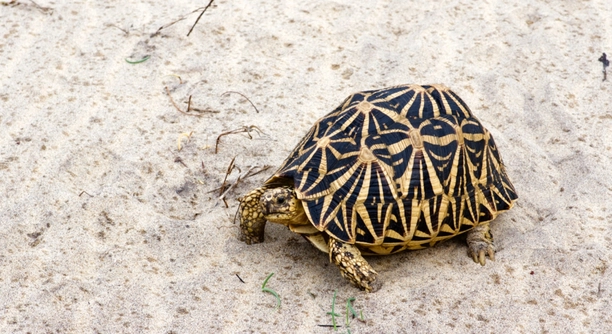
Turtles are fascinating creatures, and when it comes to their health, their shells are one of the most important aspects to monitor. One concern owners may face is noticing their turtle’s shell turning yellow.
The yellowing of a turtle’s shell is often due to poor diet, improper lighting, or water conditions. It may also indicate a possible fungal or bacterial infection. Ensuring your turtle receives proper care can prevent this condition from worsening.
By understanding the factors affecting your turtle’s shell, you can work towards keeping your pet healthy. Let’s explore the possible causes behind this common issue and how to remedy it.
Poor Diet and Nutritional Deficiencies
One of the main reasons a turtle’s shell might turn yellow is due to poor diet. Turtles require a balanced mix of nutrients, including protein, calcium, and vitamins. If they’re not getting the proper food, it can show up in their shells. Yellowing may be a sign of a calcium deficiency, which is essential for maintaining a strong shell. Additionally, too much protein or not enough fiber can create imbalances that harm the turtle’s health over time. Without the right nutrition, turtles can become more vulnerable to various health issues, including yellowing of their shell.
Feeding your turtle a variety of appropriate foods, such as leafy greens, insects, and a quality pellet diet, is important.
A proper diet should also be paired with supplementation. If your turtle’s diet lacks calcium, offering calcium powder or a cuttlebone can help maintain a healthy shell. Taking the time to adjust your turtle’s diet is one of the first steps to preventing yellowing and ensuring long-term health.
Improper Lighting and UVB Exposure
Turtles need proper lighting to maintain their health, especially when it comes to their shells. UVB lighting is crucial for synthesizing vitamin D3, which helps them absorb calcium. Without adequate UVB exposure, your turtle will struggle to process calcium, leading to potential shell discoloration.
UVB lights should be positioned correctly and replaced every six months.
Without proper UVB lighting, your turtle’s metabolism can suffer. This may result in weaker shells and yellowing over time. Make sure to provide a basking area with a UVB lamp and a heat source to maintain a suitable environment.
Water Quality and Filtration Issues
Dirty or poor-quality water can lead to yellowing on a turtle’s shell. Turtles spend a lot of time in the water, so if it’s not clean, it can affect their health. Ammonia, nitrates, or other chemicals can build up and irritate the turtle’s shell, causing discoloration.
Regular water changes and proper filtration can help reduce these harmful substances.
Make sure the water is free from toxins and clean by changing it often and using a good filtration system. If the water’s too dirty, the turtle may develop shell problems, including yellowing. A healthy tank environment is essential for your turtle’s overall well-being and to prevent yellowing on the shell.
Fungal and Bacterial Infections
Infections are another reason why a turtle’s shell might turn yellow. Both fungal and bacterial infections can appear as discoloration or lesions on the shell. These infections often result from poor living conditions, such as inadequate tank cleanliness or exposure to other sick turtles.
If your turtle’s shell is yellow and appears soft or damaged, a visit to the vet is necessary.
Proper tank maintenance and regular check-ups can help avoid infections. Keeping the tank clean, ensuring proper water temperature, and providing appropriate lighting can reduce the risk of such infections. If your turtle is sick, acting quickly will help prevent the infection from spreading and worsening.
Shell Rot
Shell rot can cause yellowing and discoloration on a turtle’s shell. It happens when bacteria or fungi infect the outer layers of the shell, leading to soft spots and visible yellow patches. This condition can be painful and needs immediate attention.
Proper tank care, including clean water and proper humidity levels, can prevent shell rot.
If your turtle has shell rot, it may need treatment, which can include antibiotics or antifungal medication. Keeping your turtle’s environment clean is the best defense against this painful condition. Addressing it early can prevent permanent damage to your turtle’s shell.
Stress and Environmental Factors
Stress can impact a turtle’s health in many ways, including yellowing of the shell. If your turtle is stressed by factors like temperature fluctuations, overcrowding, or sudden changes in its habitat, it can affect its shell. Stress weakens the immune system, making the turtle more prone to infections.
Maintaining a consistent and calm environment for your turtle can minimize stress.
Ensure your turtle has enough space, stable water temperatures, and a predictable routine. Avoid making sudden changes to their habitat, as this can cause unnecessary stress. A relaxed environment helps to keep your turtle’s shell and overall health in good condition.
FAQ
Why is my turtle’s shell turning yellow?
A yellowing shell can happen for several reasons, including poor diet, improper lighting, water quality issues, or infections. It’s often a sign that your turtle isn’t getting the right nutrition, UVB light, or clean water. It may also indicate an infection or stress. Identifying the root cause can help resolve the issue quickly and prevent further health complications.
How can I fix a yellow shell on my turtle?
To fix a yellow shell, first, check the turtle’s diet. Make sure it includes enough calcium, vitamins, and protein. Next, ensure the turtle has proper UVB lighting and a clean tank with regular water changes. If the yellowing persists, consult a veterinarian for possible infections.
Is yellowing a sign of shell rot?
Yellowing alone isn’t always a sign of shell rot, but it can be a symptom. Shell rot usually involves soft spots, foul odors, and possibly visible decay or scabbing on the shell. If your turtle’s shell is soft or has any unusual texture or odor, it’s essential to visit a vet to rule out shell rot.
Can stress cause yellowing of my turtle’s shell?
Yes, stress can lead to yellowing on a turtle’s shell. Stress weakens the immune system, making the turtle more vulnerable to infections. Stressful factors include temperature changes, overcrowding, or inadequate space. Maintaining a consistent, peaceful environment for your turtle can help prevent yellowing caused by stress.
What is the best diet for a turtle with a yellowing shell?
A well-rounded diet is crucial for preventing yellowing. Include a variety of leafy greens like kale and collard greens, along with aquatic plants, insects, and high-quality turtle pellets. Calcium-rich foods like cuttlebone or calcium powder are also essential. Providing a balance of protein and fiber helps keep your turtle healthy.
How often should I change my turtle’s water to prevent yellowing?
You should change your turtle’s water regularly, ideally every week. Dirty water can cause skin and shell issues. The water should be filtered properly and maintained at the right temperature. Water that’s too dirty can also lead to bacteria buildup and infections that may contribute to yellowing.
Can fungal infections cause yellowing on my turtle’s shell?
Yes, fungal infections can cause yellowing. These infections often appear as patches of discoloration and can spread quickly if not treated. If you notice yellow spots or areas that appear soft or decayed, it’s a good idea to consult a vet. Fungus is a common issue in turtles with poor water quality or improper tank conditions.
How can I prevent yellowing of my turtle’s shell?
To prevent yellowing, provide your turtle with proper UVB lighting, a balanced diet, clean water, and a stress-free environment. Regularly check the water quality and temperature, and ensure your turtle has enough space. Additionally, avoid exposing the turtle to overcrowded or unstable conditions that can lead to health issues.
Are there specific signs I should look for if my turtle has an infection?
Yes, signs of infection can include yellow spots or patches, softening of the shell, foul odors, swelling, or discharge. Infections may result from poor water quality, lack of UVB light, or inadequate diet. If any of these signs are present, it’s important to get your turtle checked by a vet as soon as possible.
Do I need to see a vet if my turtle’s shell is yellowing?
If the yellowing is accompanied by other concerning symptoms like soft spots, foul smells, or swelling, you should see a vet immediately. However, if the yellowing is mild and you’ve already addressed the diet, lighting, and tank conditions, it might not require a vet visit. A vet can give you a clear diagnosis.
How long does it take for a turtle’s shell to heal?
The healing time depends on the cause of the yellowing. If it’s due to diet or lighting issues, you may see improvement in a few weeks after making necessary changes. However, if the yellowing is caused by infection or shell rot, it may take longer and require medical intervention to fully heal.
Can yellowing of a turtle’s shell be a permanent issue?
Yellowing of the shell is typically not permanent if addressed quickly. If caused by environmental factors like diet, lighting, or water quality, the issue can be corrected with proper care. However, if left untreated, conditions like shell rot or severe infections could cause lasting damage to the shell.
How can I tell if my turtle has enough UVB exposure?
A turtle that’s getting enough UVB exposure will have healthy, strong shells and vibrant colors. If your turtle’s shell starts yellowing, it might be a sign it’s not getting enough UVB. To be sure, use a UVB bulb designed for reptiles and ensure it’s placed correctly. It should be replaced every 6 months for maximum effectiveness.
How do I clean my turtle’s shell if it’s yellowing?
Cleaning the shell is only part of the solution. While you can gently scrub the shell with a soft toothbrush to remove algae or dirt, make sure the underlying issues, like diet or tank conditions, are addressed. Cleaning the shell won’t resolve internal problems like calcium deficiency or infections.
Should I be concerned if only part of my turtle’s shell is yellowing?
Partial yellowing can still indicate an issue. It could be due to uneven lighting exposure, local infections, or dietary imbalances. Assess your turtle’s environment and health to pinpoint the cause. If the yellowing persists or worsens, consulting a vet is a good idea.
Final Thoughts
Yellowing on a turtle’s shell can be concerning, but it is often manageable if the underlying cause is addressed properly. It’s important to pay attention to your turtle’s environment, diet, and overall care. Simple things like providing the right UVB lighting, maintaining clean water, and offering a balanced diet can help prevent yellowing and other shell issues. Understanding your turtle’s needs and making adjustments where necessary can greatly improve its health and well-being.
If you notice any other symptoms along with yellowing, like soft spots or swelling, it might indicate an infection or shell rot. In these cases, it’s essential to seek professional help from a vet. Quick action can prevent the problem from getting worse and avoid long-term damage to your turtle’s shell. Regular check-ups and proper care are key to maintaining a healthy and vibrant shell for your pet.
Remember that every turtle is different, and some might need extra attention depending on their species and age. Keeping their habitat stable, managing their diet, and providing a calm environment are essential steps. With the right care, your turtle’s shell can return to its normal color, and your pet can continue to thrive in a healthy, comfortable space.

Hello,
If you enjoy the content that we create, please consider saying a "Thank You!" by leaving a tip.
Every little bit helps us continue crafting quality advice that supports the health, happiness, and well-being of pets around the world, for pets of all shapes, sizes, and species.
We really appreciate the kindness and support that you show us!