
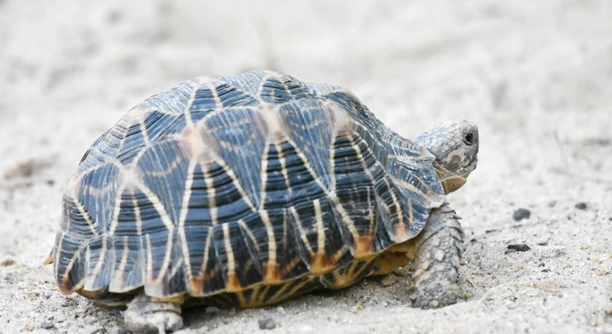
Turtles are fascinating creatures with unique behaviors. If you’ve noticed your turtle always facing the same direction, it’s natural to wonder about the reasons behind this behavior. Understanding it will help you care for your pet better.
Turtles often face the same direction due to natural instincts and environmental factors. They may be drawn to the warmth of a heat source, have a preference for certain areas, or be following established patterns in their environment.
There are various factors that influence your turtle’s behavior, and recognizing these can help you better understand your pet’s needs.
Why Do Turtles Face the Same Direction?
Turtles have certain natural behaviors that affect their positioning. They are creatures of habit, and once they find a spot that is comfortable or favorable, they tend to stick with it. Often, they will face a particular direction, especially if it provides warmth or visibility. The direction they face can also be influenced by where their food source is located, or where they feel safe. As creatures that rely on their environment, turtles often stay facing the same direction to monitor changes and avoid potential threats.
While turtles are often seen facing the same direction, it’s not always because they are doing so intentionally. Environmental factors play a huge role in this. For example, if a turtle’s habitat is placed near a heat lamp or a window, the turtle may always face toward these sources.
Another aspect is that turtles have a strong instinct to stay alert. They will turn their heads and focus on their surroundings, scanning for food, threats, or mates. The direction they face can sometimes indicate their current priority—whether it’s resting, exploring, or watching for danger. Understanding their preferences will help you give them a comfortable living environment.
Is the Turtle’s Behavior a Sign of Stress?
Sometimes, a turtle facing the same direction might be a sign of stress, especially if it appears they’re not moving or eating. They may be stuck or too focused on something outside their enclosure, such as a pet or loud noises.
Stress can make a turtle become fixated on something in the environment. This behavior can indicate discomfort or even poor health. If your turtle doesn’t change direction for long periods, it’s important to check whether the habitat is clean and that they are comfortable. Also, make sure there are no external disturbances. If this persists, a visit to the vet might be necessary.
Turtles have a tendency to follow routines, but they are also highly sensitive to their surroundings. They may fixate on something because they feel uneasy or threatened. Certain sounds, smells, or even the appearance of another animal can affect their behavior. However, this doesn’t always mean they are stressed. Sometimes, it’s just part of their instinct to focus on one area. Ensuring your turtle has a balanced environment, free from excessive noise or distractions, will help keep them happy and healthy.
Why Do Turtles Prefer Certain Directions?
Turtles tend to face the same direction due to their instinctual need to monitor their environment. They look for consistent heat sources, safe spaces, and areas where they can easily find food. The direction they face might just be their preferred spot for comfort and security.
Their behavior is often tied to the natural instincts of finding the best spot for basking. A turtle’s choice to face the same direction could be due to the location of heat lamps, windows, or open areas they feel are safe. Once they find a position they like, they settle into it for hours.
The environment plays a key role in why turtles face the same direction. Heat and light attract them, and they’ll stay facing toward these elements if they feel comfortable. It’s also possible that a turtle develops a routine, which reinforces its consistent behavior. If a turtle gets used to a certain position, it’s more likely to stick with it.
How to Help Your Turtle Feel More Comfortable
If your turtle constantly faces the same direction, it’s likely seeking comfort. Make sure its environment offers warmth and shelter. A heat lamp or basking spot should be easy for your turtle to access, ensuring it has a comfortable place to rest.
Sometimes, turtles become fixated on a single direction because their environment is too simple. To make them feel more at ease, try adding natural elements like rocks, plants, or hiding spaces. By giving them different textures and options, they can feel safer. It can also help them switch directions if they feel like exploring or resting elsewhere. Proper lighting and warmth are vital in making sure your turtle feels secure enough to move around. A more enriched environment will encourage them to change positions and engage in natural behaviors.
Is There a Specific Reason for Facing the Same Direction?
Turtles face the same direction due to factors like warmth, security, and comfort. They often prefer spots that offer the right balance of heat and safety, making them more likely to settle facing a particular direction for long periods.
In their natural habitats, turtles are drawn to areas with consistent warmth and light. This preference may explain why they often face the same direction. If there’s a heat source like a lamp or natural sunlight, they’ll likely position themselves to absorb that warmth.
Changes in Behavior to Watch For
If your turtle changes its behavior by avoiding certain directions or becomes more reclusive, it may indicate stress. Look for signs such as lack of appetite or unusual stillness. These changes can be clues to potential issues in their environment or health.
If you notice your turtle no longer faces the same direction or becomes more agitated, it’s time to check the habitat. Ensure the temperature, lighting, and surroundings are ideal. Sometimes, slight environmental changes can disrupt their usual behavior.
FAQ
Why does my turtle always face the same way?
Turtles are creatures of habit. If they face the same direction, it’s often because they’ve found a spot that feels comfortable. This could be due to warmth, the availability of food, or safety. In their natural environment, they tend to face towards the sun or any heat sources to help regulate their body temperature. The same could be true in captivity if a heat lamp or sunlight is positioned in a way that makes them want to face in that direction. They may also simply be following a routine that they’ve grown accustomed to.
Can it be bad if my turtle only faces one direction?
While facing the same direction all the time isn’t inherently bad, it could indicate a couple of things. If your turtle doesn’t seem to move around or explore its environment, it might be a sign that it’s too comfortable in one spot or that something is off in its habitat. Make sure it has access to everything it needs: proper lighting, space to roam, and a balanced diet. If the turtle is stuck in one direction and not engaging with its environment, it could also be a sign of stress or discomfort. In that case, consider making adjustments to its tank or habitat.
Is my turtle stressed if it’s always facing the same way?
Not necessarily. Turtles are known to be creatures of habit, and it’s common for them to face the same direction if they feel secure and comfortable in their environment. However, stress can be an issue if they refuse to move or start showing signs of illness like lack of appetite or abnormal behavior. If your turtle appears overly still or won’t change positions for long periods, you may need to reevaluate its living conditions, including water quality, temperature, and lighting.
How can I tell if my turtle is uncomfortable with the direction it faces?
If your turtle begins to display unusual behaviors like excessive hiding, not moving, or showing signs of lethargy, it could be a sign that it’s uncomfortable. Typically, a turtle that is facing the same direction but moving around and staying active is likely just content in that spot. However, if it starts showing signs like hiding more frequently or eating less, it might not be as happy with its position. Adjusting the habitat—like offering more hiding spots or changing the heat source—could help.
Can the tank setup affect the direction my turtle faces?
Absolutely. The way you set up your turtle’s tank can influence where it faces. Turtles naturally seek heat and light, so if your heat lamp or basking area is positioned in a certain direction, they may prefer to face that way. If they have a specific spot that feels warm and safe, they may stick with it. Rearranging the tank could encourage the turtle to explore new positions. It’s also important to have a tank that allows for enough space to move around comfortably, so the turtle isn’t confined to a single spot.
Should I be concerned if my turtle doesn’t move much?
If your turtle isn’t moving much, it could be a sign of either comfort or distress. If the tank conditions are perfect and the turtle is simply basking or resting, it’s probably fine. However, if the turtle appears sluggish, doesn’t eat, or seems disinterested in its surroundings, you may want to check the water temperature, tank cleanliness, and overall environment. Turtles are generally active creatures, so a lack of movement could indicate something isn’t right.
Why does my turtle face the same direction even when the heat lamp is off?
Turtles are instinctively drawn to places that offer warmth, but they can also face the same direction because of a preference for that spot. If the turtle is facing a specific area even without a heat lamp, it could be a place it associates with safety or comfort. The turtle might also have become accustomed to that position as part of its daily routine. It’s also worth noting that turtles can maintain some warmth from residual heat in their environment, such as from previous basking or sunlight.
Does my turtle need more space if it’s facing the same direction all the time?
If your turtle is constantly facing the same direction and not moving, it might indicate that the space is not stimulating enough. Turtles do need room to roam, explore, and bask in different spots. If the tank feels cramped or lacking in enrichment, your turtle may stay in one place more often. Adding some aquatic plants, rocks, or different basking platforms could encourage your turtle to change directions and move around. Offering variety in the environment can keep your turtle engaged and healthy.
How can I help my turtle change directions if it always faces one way?
Sometimes a turtle just needs a little encouragement to explore different directions. You can try gently moving its basking spot or adding new features to the tank. For example, introduce a new hiding space or rearrange rocks to create new areas to explore. You could also adjust the heat lamp’s position to encourage the turtle to move towards a different spot. Over time, this can help your turtle develop new patterns and avoid getting stuck facing the same direction all the time.
Is there any way to stop my turtle from always facing one direction?
While it’s difficult to completely stop a turtle from facing the same direction, you can try adjusting the environment to make it more dynamic. Try changing the placement of heat sources, basking areas, and hiding spots. Having a variety of features in the tank can encourage your turtle to explore more and not settle into the same position. Ensure the tank is large enough to allow for movement and that your turtle has access to clean water and food. With the right setup, you can give your turtle a chance to move freely and change directions naturally.
Final Thoughts
Turtles are fascinating creatures with unique behaviors. If you’ve noticed that your turtle always faces the same direction, it’s likely due to natural instincts. They often choose spots that provide warmth, safety, and comfort. It’s common for them to face towards heat sources or basking areas because these positions help them regulate their body temperature. This behavior is entirely normal and typically doesn’t indicate any issues. However, understanding why your turtle behaves this way can help you provide a better living environment for your pet.
While facing the same direction can simply be a matter of comfort, it’s also important to keep an eye on your turtle’s overall health and behavior. If your turtle isn’t moving or seems overly fixated on one spot, it may be a sign of discomfort or stress. Environmental factors like water temperature, tank cleanliness, and lighting all play a role in your turtle’s well-being. If your turtle seems inactive or refuses to eat, it’s a good idea to check these conditions. A comfortable and stimulating environment will encourage your turtle to explore more and move around, which is essential for its health.
Ultimately, every turtle is different, and their behavior can vary based on their personality and surroundings. Some turtles are naturally more stationary, while others may explore more frequently. The key is ensuring that your turtle has a proper environment with access to warmth, food, and clean water. If you notice any changes in their behavior or they start facing the same direction for extended periods, it may be worth reevaluating their habitat. A little observation can go a long way in making sure your turtle is happy, healthy, and comfortable.

Hello,
If you enjoy the content that we create, please consider saying a "Thank You!" by leaving a tip.
Every little bit helps us continue crafting quality advice that supports the health, happiness, and well-being of pets around the world, for pets of all shapes, sizes, and species.
We really appreciate the kindness and support that you show us!