
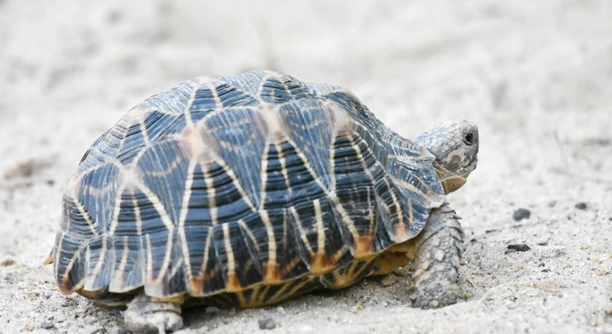
Do you ever find yourself wondering which fruits are safe to give your turtle as a treat? Offering the right fruits can add variety to their diet while ensuring they stay healthy and happy. Choosing safe options is essential for their well-being.
Turtles can eat certain fruits in moderation, such as strawberries, bananas, and apples. These fruits provide essential nutrients without causing harm. However, some fruits contain too much sugar or acidity, which can upset their digestion, so careful selection is necessary.
Not all fruits are suitable for turtles, so knowing the right choices is important. Exploring safe options will help you provide enjoyable, nutritious treats without any risk to their health.
Strawberries: A Sweet and Safe Treat
Strawberries are a great fruit to give your turtle in small amounts. They are packed with vitamins like vitamin C, which supports a healthy immune system. Their soft texture makes them easy to eat, and their natural sweetness can be a nice change from their usual diet. However, strawberries have natural sugars, so they should only be given occasionally. Too much sugar can lead to digestive issues or weight gain. Always wash them thoroughly to remove any pesticides or chemicals. Cutting them into small pieces will make them easier for your turtle to consume safely.
Offer strawberries once in a while as a treat, not as a staple food. Their nutrients can be beneficial, but too much can disrupt your turtle’s balanced diet. Moderation is key to keeping them healthy.
If you want to add variety to your turtle’s diet, strawberries can be a tasty option. They provide hydration and essential nutrients while being easy to digest. Just remember to feed them in small portions and avoid giving them too often. Mixing strawberries with other safe fruits can help provide a well-rounded treat while preventing excessive sugar intake.
Apples: A Crunchy and Nutritious Choice
Apples are a healthy treat for turtles when given in moderation. They provide fiber, which aids digestion, and contain vitamins that support overall health. However, their firm texture can be challenging for some turtles, so it is best to cut them into small, manageable pieces before feeding.
When offering apples to your turtle, always remove the seeds and core. Apple seeds contain small amounts of cyanide, which can be harmful. Peeling the skin is also a good idea, as it may contain pesticides or be difficult for some turtles to chew. Stick to fresh, plain apples without added sugar or flavoring.
Feeding apples occasionally can give your turtle an enjoyable snack without affecting their regular diet. Their natural sweetness makes them appealing, but too much can lead to digestive issues. Pairing apples with other safe fruits can ensure a balanced diet while keeping treats enjoyable.
Bananas: A Soft and Easy Snack
Bananas are a soft fruit that turtles can eat in moderation. They contain potassium, fiber, and vitamins that support overall health. However, their high sugar content means they should only be given occasionally. Too much can lead to digestive problems or unwanted weight gain.
When feeding bananas to your turtle, cut them into small, bite-sized pieces. Their soft texture makes them easy to eat, but sticky residue can cling to a turtle’s mouth. Offering fresh bananas instead of dried ones is best, as dried bananas have concentrated sugars. Always provide clean water so your turtle can rinse its mouth after eating.
Bananas can be a fun treat, but they should not replace a turtle’s regular diet. Mixing them with other safe fruits can help balance nutrition while keeping things interesting. Feeding small portions ensures your turtle enjoys the benefits without negative effects.
Blueberries: A Bite-Sized Superfood
Blueberries are packed with antioxidants, vitamins, and fiber, making them a nutritious treat. Their small size makes them easy for turtles to eat without much preparation. However, their natural sugars mean they should be fed sparingly to avoid digestive issues. A few blueberries once in a while is enough.
Washing blueberries before feeding removes pesticides and dirt that could be harmful. Their soft texture makes them easy to chew, but some turtles may prefer them mashed. Mixing blueberries with other fruits can provide variety while ensuring your turtle gets a balanced treat. Fresh blueberries are best, as dried ones contain more sugar.
Including blueberries in your turtle’s diet can provide health benefits while keeping meals interesting. Their nutrients support a strong immune system and overall well-being. Feeding in moderation helps maintain a balanced diet, preventing any negative effects from excessive sugar intake.
Watermelon: A Hydrating Treat
Watermelon is a refreshing fruit that turtles can enjoy in small amounts. It has high water content, helping with hydration. However, it contains natural sugars, so it should be fed sparingly. Remove the seeds and rind before offering it to your turtle.
Cut watermelon into small, manageable pieces to make it easier to eat. The soft texture is ideal, but too much can cause loose stools. Offering it occasionally as a treat can keep your turtle’s diet balanced while providing extra hydration, especially during warm weather.
Raspberries: A Tasty but Occasional Treat
Raspberries contain fiber, vitamins, and antioxidants that can benefit turtles. Their small size and soft texture make them easy to eat, but they have natural sugars and slight acidity. Feeding them once in a while can provide variety without causing digestive issues. Always rinse them thoroughly before serving.
Mango: A Sweet and Nutritious Option
Mango is rich in vitamins and antioxidants, making it a healthy choice in moderation. Its soft texture makes it easy to eat, but its sugar content means it should be given sparingly. Removing the skin and cutting the mango into small pieces ensures your turtle can enjoy it safely.
FAQ
Can turtles eat fruit every day?
Turtles should not eat fruit every day. Fruits contain natural sugars that can upset their digestion if given too often. A balanced diet should primarily consist of leafy greens, vegetables, and proteins. Fruits should be an occasional treat, offered no more than once or twice a week.
How much fruit should I give my turtle?
A small portion is enough. For most turtles, a few bite-sized pieces of fruit are sufficient. Overfeeding can lead to weight gain and digestive issues. Always balance fruit with their regular diet to ensure they receive the necessary nutrients without excessive sugar intake.
Are there any fruits turtles should avoid?
Yes, some fruits are not safe for turtles. Avoid citrus fruits like oranges, lemons, and grapefruits, as their acidity can cause stomach problems. Avocados are also toxic to turtles. Stick to safe options like strawberries, apples, and blueberries for occasional treats.
Can turtles eat fruit peels or seeds?
It depends on the fruit. Apple seeds contain cyanide and should never be given to turtles. Thick peels, like those from mangoes or bananas, can be difficult to digest. Always remove seeds and tough peels before feeding fruit to your turtle.
Do all turtle species eat fruit?
Not all turtles eat fruit. Herbivorous and omnivorous turtles can enjoy small amounts of fruit, but carnivorous species typically do not eat plant-based foods. Always research your turtle’s specific dietary needs before offering fruit.
Can baby turtles eat fruit?
Baby turtles should have a diet focused on protein and leafy greens. Their growing bodies require more nutrients from sources like insects, fish, and vegetables. A tiny piece of fruit on rare occasions is fine, but it should not be a regular part of their diet.
What happens if my turtle eats too much fruit?
Eating too much fruit can cause diarrhea, bloating, and weight gain. The high sugar content can also lead to long-term health issues if given frequently. If your turtle has digestive problems after eating fruit, reduce the amount and focus on feeding more greens and vegetables.
Can turtles eat dried fruit?
Dried fruit is not recommended for turtles. It has concentrated sugars that can cause digestive issues and weight gain. Fresh fruit is always the better choice, as it provides hydration along with nutrients. If you only have dried fruit, avoid giving it to your turtle.
Should I wash fruit before feeding it to my turtle?
Yes, always wash fruit thoroughly before feeding. Pesticides and chemicals on the surface can be harmful to turtles. Organic fruit is a safer option, but it should still be rinsed to remove any dirt or bacteria.
Can I mix different fruits for my turtle?
Mixing different fruits is fine as long as portions remain small. Offering a variety can provide different nutrients, but too much fruit in one feeding can cause digestive issues. Balance fruit with vegetables and proteins for a well-rounded diet.
Can aquatic turtles eat fruit?
Some aquatic turtles, like red-eared sliders, can eat fruit in moderation. However, their diet should primarily include aquatic plants, insects, and commercial turtle food. Fruit should be a rare treat, not a regular part of their meals.
How do I know if my turtle likes fruit?
Turtles have preferences just like people. If your turtle eagerly eats a certain fruit, it likely enjoys it. If it ignores or spits out the fruit, it may not like the taste or texture. Try different options to see what your turtle prefers.
Can fruit replace my turtle’s main diet?
No, fruit should never replace a turtle’s main diet. While it provides some vitamins and hydration, it lacks essential nutrients found in greens, vegetables, and proteins. A turtle’s health depends on a varied diet with fruit only as an occasional snack.
Final Thoughts
Feeding fruit to your turtle can be a great way to add variety to their diet, but it should always be done in moderation. While fruits like strawberries, apples, and blueberries provide vitamins and hydration, their natural sugar content means they should only be given as an occasional treat. A turtle’s diet should primarily consist of leafy greens, vegetables, and proteins to ensure they receive all the necessary nutrients. Offering too much fruit can lead to digestive issues, weight gain, or other health concerns. By carefully selecting safe fruits and limiting portions, you can provide enjoyable treats without disrupting their balanced diet.
Every turtle has different dietary needs, depending on its species, age, and activity level. Herbivorous and omnivorous turtles can enjoy small amounts of fruit, while carnivorous turtles may not eat them at all. It is important to research what is best for your specific turtle before introducing new foods. Always wash fruit thoroughly to remove pesticides, cut it into small pieces, and remove any seeds or tough peels that could be difficult to digest. If you notice any changes in your turtle’s behavior or digestion after eating fruit, it may be best to adjust their diet and focus on more suitable foods.
Providing a healthy diet for your turtle is one of the best ways to support their overall well-being. Fruits can be a fun and nutritious addition, but they should never replace the essential foods that turtles need to thrive. Paying attention to portion sizes, choosing the right fruits, and maintaining a varied diet will help keep your turtle active and healthy. With proper care and moderation, you can safely incorporate fruit into their diet while ensuring they receive all the nutrients they need for a long and happy life.

Hello,
If you enjoy the content that we create, please consider saying a "Thank You!" by leaving a tip.
Every little bit helps us continue crafting quality advice that supports the health, happiness, and well-being of pets around the world, for pets of all shapes, sizes, and species.
We really appreciate the kindness and support that you show us!