
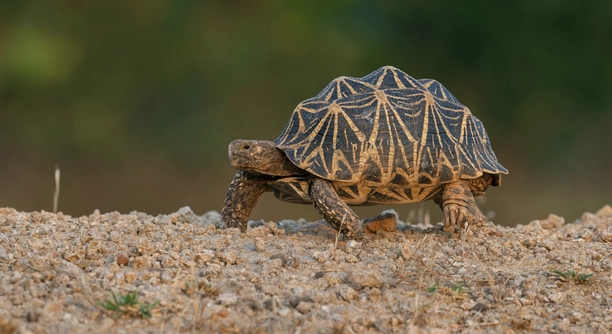
Turtles are fascinating creatures, and they rely on a proper diet to stay healthy. Choosing the right food for them can be tricky, but it’s essential for their well-being. The right commercial foods can make a big difference.
The best commercial foods for turtles are those that provide a balanced diet, including the right mix of proteins, vitamins, and minerals. Quality turtle food supports their growth, health, and longevity, ensuring they thrive in captivity.
Choosing the right commercial foods for your turtle is crucial for its health and happiness. The options we’ll explore here will help you understand the best choices for your pet.
1. Why Turtle Diets Matter
Turtles require a balanced diet to remain healthy, and the food you choose plays a major role in that. Without the right nutrition, they may experience health problems, such as poor shell growth, weight loss, or even digestive issues. A well-rounded diet supports their overall health and helps keep them active and happy. Whether you’re feeding a freshwater or a land turtle, the right foods will ensure they live a long, healthy life. In the wild, turtles have access to a variety of plants, insects, and small animals. In captivity, it’s important to recreate this diversity with the best commercial options.
Commercial turtle food provides a convenient way to meet your pet’s dietary needs, offering them essential nutrients without you having to hunt down food daily.
For most pet turtles, pellets and fortified foods offer a good balance of protein, fiber, and vitamins. It’s essential to check the packaging for appropriate age ranges and species recommendations to ensure you’re buying the right product. Quality turtle food mimics their natural diet, but you can always supplement with fresh fruits, vegetables, or even insects for added variety. With the right combination, your turtle can stay healthy and active for years.
2. The Best Foods for Turtles
Choosing the right food for your turtle is simple if you know what to look for. Look for options that list high-quality protein sources, such as shrimp, fish, or worms.
Turtle pellets that contain a mix of plant-based and animal-based ingredients are typically the most effective choice. They are specially formulated to meet the nutritional needs of aquatic and land turtles. These pellets can be a reliable option when used in conjunction with fresh food like leafy greens and occasional treats such as worms or small fish. Brands like Zoo Med and Repashy offer high-quality options for turtles of all ages. It’s important to rotate between different types of foods, ensuring a well-balanced diet that promotes growth and health. Avoid overfeeding, as this can lead to obesity and other health problems.
These foods provide the nutrition turtles need, but it’s key to also give them a variety of natural, whole foods to keep their diet as close to what they would eat in the wild.
3. Top Commercial Brands for Turtles
When it comes to commercial turtle foods, several brands stand out for their high-quality ingredients. Popular options include Zoo Med, Repashy, and Exo Terra. These brands have a good reputation for creating balanced diets that cater to the needs of both aquatic and land turtles.
Zoo Med offers a wide range of turtle food, with pellets designed for various species. Their products are rich in protein and vitamins, helping turtles stay active and healthy. Repashy is another top contender, offering powdered foods that can be mixed with water for a fresh, hydrating meal. Exo Terra also offers premium options that provide natural ingredients and nutrient-dense formulas.
These brands prioritize the specific nutritional requirements of turtles, ensuring their food supports shell growth, energy levels, and overall health. Choosing a trusted brand guarantees that your turtle is getting the nutrition it needs for a long, healthy life.
4. How to Choose the Right Turtle Food
Turtles have specific dietary needs that vary depending on their age, species, and whether they are aquatic or terrestrial. To choose the right food, check if the product is designed for your turtle’s specific needs.
For young turtles, it’s important to pick food that supports their rapid growth and development. Look for products that offer higher protein content, like shrimp or fish. For adult turtles, a balanced diet with moderate protein and more plant-based ingredients is essential. For aquatic turtles, you’ll want a food high in protein, but also with added vegetables or algae. Terrestrial species benefit from a diet that includes leafy greens and fruits.
Remember to adjust the portions and type of food as your turtle matures. You may need to experiment with different types of food until you find the right one. Consistency is key to keeping them healthy and satisfied.
5. Best Pellets for Aquatic Turtles
Aquatic turtles need a food that helps them stay active and healthy. Pellets designed for aquatic species are packed with protein and essential nutrients.
Aquatic turtle pellets, like those from Zoo Med or Repashy, provide a complete diet. These options include a mix of protein, vitamins, and minerals that help promote shell health and energy. Choose pellets with fish meal, shrimp, or other aquatic proteins as the primary ingredient.
These foods are easy to feed, and they float, which encourages your turtle to forage naturally. For best results, pair pellets with fresh vegetables and occasional live food.
6. Best Vegetables for Turtles
Turtles benefit from fresh vegetables, which provide them with vital vitamins and minerals. Leafy greens like collard greens, kale, and dandelion greens are excellent choices.
Avoid feeding your turtle vegetables high in oxalates, like spinach, as these can interfere with calcium absorption. Vegetables should be washed thoroughly and chopped into manageable pieces.
Vegetables should be a part of your turtle’s regular diet. Offering a variety ensures they get the nutrients they need for shell growth and overall health. Be sure to remove uneaten portions to prevent them from spoiling.
FAQ
What is the best food for my turtle?
The best food for your turtle depends on its species and age. For aquatic turtles, high-protein pellets like those from Zoo Med or Repashy are ideal. For land turtles, you should focus on fresh leafy greens and occasional fruit. As a general rule, providing a varied diet is important to meet all their nutritional needs. Some turtles may also enjoy occasional live food like worms or insects for added protein. It’s always good to check the packaging for the right type of food based on your turtle’s age and species.
Can I feed my turtle only pellets?
Feeding your turtle only pellets is not recommended. Pellets should be a supplement to their diet, not the entirety of it. While pellets provide essential nutrients, turtles also need the natural variety found in fresh vegetables, fruits, and occasional protein like insects or small fish. A varied diet helps mimic their natural eating habits and ensures they get all the nutrients they need. Over-reliance on pellets can lead to nutritional imbalances, so it’s important to rotate between pellets and natural foods.
How often should I feed my turtle?
The frequency of feeding depends on your turtle’s age and species. For baby turtles, you should feed them daily, offering them a small portion of food. As they grow older, you can reduce feeding to every other day or three times a week. Adult turtles typically do well with two or three feedings per week. Be mindful not to overfeed, as turtles can easily become overweight. Regularly monitor their weight and adjust their food intake accordingly to maintain a healthy balance.
Can turtles eat fruit?
Yes, turtles can eat fruit, but it should be given in moderation. Fruit is high in sugar, so it should not be the main part of their diet. Turtles enjoy treats like strawberries, bananas, and blueberries. However, these should be offered sparingly, especially for aquatic turtles, as too much fruit can lead to digestive issues. A few pieces once a week are usually enough to satisfy their taste for sweetness without affecting their health. Always ensure that the fruit is cut into manageable pieces for easy consumption.
What should I avoid feeding my turtle?
Some foods can be harmful to turtles. Avoid feeding them foods that are high in fat or sugar, such as processed snacks or dairy products. Certain vegetables, like spinach and beet greens, should be fed in limited amounts because they contain oxalates, which can interfere with calcium absorption. Additionally, avoid feeding your turtle food that’s too large for them to eat easily, as this can cause choking or digestive issues. Always do research on specific foods to ensure they’re safe for your turtle.
How can I tell if my turtle is eating enough?
If your turtle is eating enough, you should see steady growth, a healthy shell, and consistent activity levels. If your turtle is underweight, you may notice it becoming lethargic, having a dull shell, or losing weight. If your turtle refuses to eat or shows a significant decrease in appetite, it could be a sign of illness or stress. Always keep an eye on your turtle’s overall health and consult a vet if you notice any changes in eating habits. Proper diet and regular feeding should result in a healthy, active turtle.
Can I feed my turtle live food?
Yes, live food is a natural part of many turtles’ diets. Species like aquatic turtles thrive on live food, such as worms, crickets, and small fish. These provide an excellent source of protein and help encourage foraging behavior. However, be mindful of the size of the live food to ensure it’s appropriate for your turtle’s size. Always ensure the live food is sourced from a reliable place to avoid harmful pesticides or diseases. Live food should be given occasionally as a treat rather than a daily diet.
How can I keep my turtle’s food fresh?
Turtle food should be stored properly to maintain its freshness. Pellets and other commercial food should be kept in a cool, dry place, away from direct sunlight. If you’re feeding fresh vegetables or fruits, you should always wash them thoroughly and store them in the fridge. Keep any uneaten food out of the tank to prevent spoilage, as this can lead to water contamination. Fresh food should be offered in small portions to prevent waste. You can also freeze fruits and vegetables to keep them fresh longer and avoid daily shopping trips.
Is it safe to feed my turtle human food?
Most human food is not safe for turtles, especially those that are heavily processed, high in fat, or contain spices and artificial ingredients. However, some natural foods that humans eat, like leafy greens, squash, or carrots, can be given to turtles in moderation. Just ensure that any food you provide is free from salt, seasonings, or additives. Always stick to foods that are safe and beneficial for turtles and avoid common human snacks like chips or chocolate, which can harm them.
Should I feed my turtle in water or on land?
For aquatic turtles, it’s best to feed them in the water, as they naturally eat while swimming and foraging. This also prevents the food from getting stuck in their shell or on the substrate. For terrestrial turtles, you can feed them on land, using a shallow dish or on a clean surface. When feeding in water, ensure that the water level is low enough for them to easily access the food. Be sure to clean up any uneaten food promptly to avoid water contamination.
Final Thoughts
Choosing the right food for your turtle is important for its overall health and well-being. Turtles are unique in their dietary needs, and understanding what they require can make a big difference. Commercial foods like pellets can provide a good base for their diet, but they should not be the only thing they eat. Fresh vegetables, fruits, and occasional live food help to round out their meals and give them the variety they need. By offering a diverse diet, you can ensure that your turtle gets the right mix of nutrients to stay healthy.
It’s also essential to consider your turtle’s species and age when choosing food. Baby turtles need more protein to grow, while adults require a more balanced diet with fewer proteins and more plant-based ingredients. Adjusting your turtle’s diet as it grows will help avoid common health issues, like obesity or malnutrition. Feeding your turtle the right amount of food is just as important as choosing the right type. Overfeeding can lead to health problems, so always keep an eye on their weight and adjust portions accordingly.
Finally, always research any new food items before offering them to your turtle. Some foods may seem harmless but can cause harm due to their high levels of oxalates or other compounds that interfere with calcium absorption. Keeping their environment clean and making sure that any uneaten food is removed quickly will help maintain their health. By staying informed and offering a balanced diet, you’ll help your turtle live a long, healthy life.

Hello,
If you enjoy the content that we create, please consider saying a "Thank You!" by leaving a tip.
Every little bit helps us continue crafting quality advice that supports the health, happiness, and well-being of pets around the world, for pets of all shapes, sizes, and species.
We really appreciate the kindness and support that you show us!