
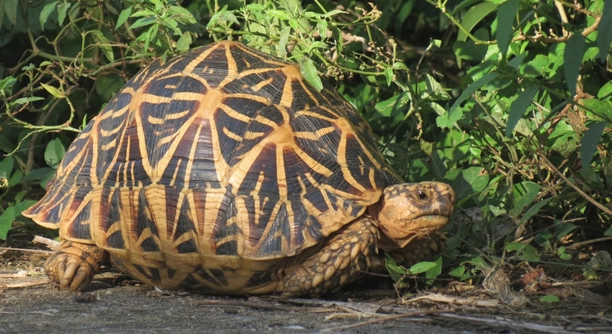
Turtles are wonderful pets, but sometimes they face health challenges that can be puzzling for their owners. One common concern is when a turtle’s shell becomes soft despite proper care.
A soft shell in turtles can result from several factors, even when they are well cared for. The most common reasons include inadequate calcium intake, improper lighting, or underlying health issues. It’s important to address these causes promptly.
The key to resolving the issue lies in understanding the factors that affect shell health. This knowledge will guide you in taking the right steps to keep your turtle healthy and happy.
Calcium Deficiency and Its Impact on Shell Health
A soft turtle shell is often a sign of calcium deficiency. Calcium plays a crucial role in maintaining the strength and structure of a turtle’s shell. Without enough calcium, their shells can become weak, bend, or even deform. Turtles need a steady supply of calcium to support the hardening of their shells, especially as they grow. If their diet lacks calcium-rich foods like leafy greens, calcium supplements, or cuttlebone, the shell may not develop properly.
The turtle’s environment also plays a significant role in calcium absorption. If the lighting is not adequate, the turtle will struggle to synthesize vitamin D3, which helps in calcium absorption.
To remedy this, consider adding more calcium to your turtle’s diet or providing a proper light source that mimics natural sunlight. You can also give them a cuttlebone to nibble on, which is an easy way to ensure they get the calcium they need.
The Importance of Proper Lighting
Turtles require UVB lighting to produce vitamin D3, essential for absorbing calcium. Without proper UVB lighting, turtles can face various health issues, including a soft shell.
If you’re using artificial lighting, it’s crucial to replace bulbs regularly to ensure they’re emitting enough UVB rays.
Inadequate Temperature
Turtles need a proper temperature range to stay healthy. If the tank is too cold, their metabolism slows down, which affects digestion and overall health. A cold environment may also prevent the turtle from properly absorbing nutrients, including calcium, leading to a soft shell.
Inadequate heat can also cause stress, weakening the turtle’s immune system. This makes them more vulnerable to infections, which can worsen shell issues. It’s essential to maintain a basking area around 90°F (32°C) and a cooler end around 75°F (24°C) for optimal health.
Monitoring the tank temperature regularly ensures the environment is ideal for your turtle’s growth and shell strength. Investing in a quality thermometer and heat lamp will help maintain the right conditions. Avoid placing the tank in drafty areas or near windows, where temperature fluctuations are common.
Poor Diet Choices
A poor diet can be another reason for soft shells. Turtles need a balanced diet, rich in vegetables, protein, and calcium. Without variety, they may not be getting the necessary nutrients to support shell growth.
Many turtles are fed an overly processed or limited diet, which can lead to nutritional imbalances. If your turtle eats mainly high-protein foods or only one type of vegetable, this can hinder calcium absorption. Without proper nutrition, their shell cannot harden or maintain its strength over time.
To avoid this, offer a variety of greens like kale, dandelion greens, and collard greens. Incorporating small amounts of protein, like crickets or shrimp, ensures your turtle’s diet remains well-rounded.
Health Problems
A soft shell can also be a sign of underlying health issues. Turtles can suffer from infections or parasites that affect their overall well-being, weakening their shells. If untreated, these problems can worsen, leading to long-term damage.
Turtles may experience shell rot, fungal infections, or metabolic bone disease, all of which can cause shell weakness. Early detection of these health concerns is important to prevent further damage. It’s crucial to keep an eye on any changes in your turtle’s behavior, appearance, or appetite.
Stress
Stress can also contribute to a turtle’s shell becoming soft. When a turtle is stressed, it may not be able to digest food properly, which can affect its overall health and shell development.
Common causes of stress include overcrowded tanks, lack of hiding spots, or frequent handling. A stressed turtle might also show signs like reduced activity or poor eating habits. Ensuring your turtle has enough space and a calm environment is key to preventing stress and maintaining a strong shell.
FAQ
What are the signs that my turtle’s shell is soft?
A soft shell in a turtle is usually noticeable when you gently press on it, and it feels pliable or squishy instead of firm and rigid. You may also notice the shell becoming misshapen or indented over time. A soft shell can sometimes result in the turtle being more vulnerable to injury or infection.
How can I improve my turtle’s calcium intake?
To improve your turtle’s calcium intake, consider adding calcium-rich foods to its diet. Leafy greens like kale, collard greens, and dandelion greens are excellent sources. You can also provide calcium supplements in the form of powders or blocks, like cuttlebone, which the turtle can nibble on. Additionally, ensure your turtle gets enough exposure to UVB light, which is essential for calcium absorption.
How can I ensure my turtle is getting enough UVB light?
UVB light is crucial for your turtle’s health, as it helps them produce vitamin D3, which allows them to absorb calcium. To ensure your turtle gets enough, invest in a good quality UVB bulb and place it in the basking area of their tank. The light should be replaced regularly (every 6 months or so) because UVB output diminishes over time. It’s important that your turtle can bask under the light for at least 10-12 hours a day.
Can a soft shell be reversed?
Yes, a soft shell can sometimes be reversed with proper care, but it depends on the severity and cause. If it’s due to nutritional deficiencies, improving the diet and providing adequate calcium and UVB light may help the shell harden over time. However, if the shell has been soft for an extended period or caused by serious health issues, it may not fully return to its previous condition. It’s best to consult a veterinarian to determine the right course of action.
How often should I replace my turtle’s UVB bulb?
UVB bulbs typically lose their effectiveness after 6 months of use, even if they still appear to be working. It’s important to replace them regularly to ensure your turtle gets enough UVB light. Marking the date of replacement on the bulb or setting a reminder can help you stay on track.
What should I feed my turtle to prevent a soft shell?
To prevent a soft shell, feed your turtle a balanced diet with a variety of vegetables and some protein. Offer dark leafy greens like kale, dandelion greens, and collard greens, which are rich in calcium. Occasionally, add protein like insects or shrimp. You can also offer calcium supplements like cuttlebone or a calcium powder sprinkled over the food. A varied and nutrient-dense diet is essential to keep your turtle’s shell strong.
Can stress cause a turtle’s shell to become soft?
Yes, stress can contribute to shell weakness. Stress affects your turtle’s immune system and digestion, preventing it from absorbing the nutrients it needs, including calcium. Causes of stress can include a cramped tank, improper tank conditions, constant handling, or the presence of other aggressive animals. Creating a calm, safe environment can help reduce stress and improve shell health.
How do I check if my turtle’s tank temperature is correct?
To check if your turtle’s tank temperature is correct, use a thermometer to monitor the water and basking area. The water temperature should generally be between 75-80°F (24-27°C), while the basking area should be between 85-90°F (29-32°C). It’s essential to have a gradient so your turtle can regulate its body temperature by moving to warmer or cooler areas of the tank.
Is it safe to handle my turtle when its shell is soft?
It’s best to minimize handling your turtle if its shell is soft. Soft shells are more prone to injury, and excessive handling can cause stress or further damage. If you need to move your turtle, always support its body gently and avoid putting pressure on the shell. Handling should be limited to essential interactions, and only when necessary.
What other factors can contribute to a soft shell?
In addition to calcium deficiency, poor lighting, and stress, there are other factors that can contribute to a soft shell. Infections, parasites, and underlying health conditions like metabolic bone disease (MBD) can also cause a turtle’s shell to soften. It’s important to monitor your turtle’s health closely and consult a vet if there are signs of illness. Regular tank maintenance, proper diet, and a safe environment are crucial in preventing these issues.
Final Thoughts
Maintaining a healthy turtle shell involves paying attention to several factors, including diet, lighting, and the overall environment. A soft shell is often a sign that something is not right, and addressing the issue early can help prevent further complications. By ensuring your turtle gets a proper calcium intake, UVB light exposure, and a suitable temperature, you can greatly improve its chances of developing a strong, healthy shell. In many cases, providing these essential elements can help reverse the softening of the shell and promote proper growth.
It’s also important to be mindful of your turtle’s behavior and appearance. Any changes in appetite, activity levels, or shell condition could be a sign of underlying health problems. Regularly checking the tank for any signs of stress or infection is essential. If your turtle’s shell doesn’t seem to improve despite changes in diet and environment, it’s a good idea to consult with a veterinarian who specializes in reptiles. Early intervention can prevent more serious health issues from developing, and getting professional advice will guide you in the right direction.
Overall, caring for a turtle’s shell requires more than just basic care. It’s a combination of proper nutrition, the right lighting, and maintaining a stress-free environment that will help ensure your turtle remains healthy. The softening of the shell should not be ignored, as it can lead to long-term damage if left unaddressed. By staying attentive and making small adjustments to your turtle’s care routine, you can support its overall health and enjoy watching it thrive for years to come.

Hello,
If you enjoy the content that we create, please consider saying a "Thank You!" by leaving a tip.
Every little bit helps us continue crafting quality advice that supports the health, happiness, and well-being of pets around the world, for pets of all shapes, sizes, and species.
We really appreciate the kindness and support that you show us!