
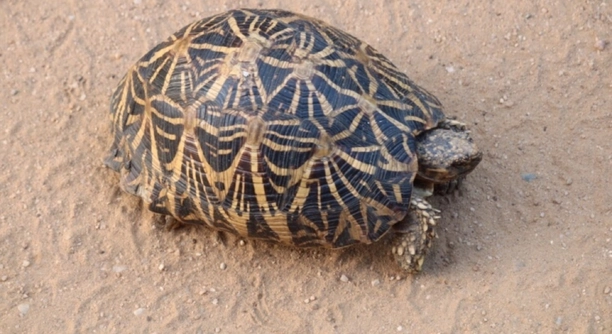
Turtles are fascinating pets, and their quirky behavior can be both amusing and confusing. One such behavior is when your turtle keeps trying to climb the heater. This action can leave you wondering why they do it.
Turtles may climb the heater due to the desire for warmth or out of instinct. They naturally seek heat sources for comfort and sometimes try to explore their environment, mistaking the heater for a safe spot.
Understanding this behavior can help ensure your turtle stays healthy and comfortable. There are several things you can do to address this situation and keep your pet happy and safe.
Why Do Turtles Need Heat?
Turtles, especially pet species like red-eared sliders, need heat to regulate their body temperature. They are cold-blooded animals, meaning they can’t produce their own body heat. Without the proper warmth, they can’t digest food properly, which can lead to health issues. In their natural habitat, they would move between basking spots and water to stay comfortable. When kept in a tank, they rely on heat sources, such as lamps and heaters, to meet their temperature needs. If the heater is too cold or the turtle can’t reach it, they might instinctively try to climb or get closer to it.
Your turtle’s behavior of climbing the heater likely stems from this need for warmth. They might be seeking a spot where they can bask and absorb heat. This is particularly noticeable when the temperature in the tank is not ideal for them. You’ll often see them trying to climb or perch on objects like the heater to get closer to the warmth.
A consistent heat source is essential for your turtle’s well-being. Make sure the temperature is regulated within the proper range, so they don’t need to resort to climbing.
How to Provide Proper Heat
It’s important to know the ideal temperature for your turtle’s habitat. Typically, a basking area should be between 85–90°F, while the water temperature should range from 75–80°F. Having both warm and cooler zones allows your turtle to move between temperatures based on their needs.
Using a reliable aquarium heater and a basking lamp will help create these zones. Place the heater near the water’s edge, and position the lamp over the basking area. A thermometer will help you monitor the tank’s temperature, ensuring that it stays within safe ranges.
Heater Placement and Tank Setup
The placement of the heater in your turtle’s tank is key to preventing them from climbing it. The heater should be positioned at one end of the tank, allowing for a temperature gradient. This setup lets your turtle move between warmer and cooler areas as they need.
If the heater is placed near the basking area, your turtle may try to climb it in search of heat. To prevent this, consider using a submersible heater. These heaters are placed under the water, offering consistent warmth without the risk of your turtle climbing it.
Ensure the water flow is gentle and doesn’t disturb the heater’s position. If your turtle continues to attempt climbing despite the heater being out of reach, it may be a sign that the tank setup doesn’t have enough areas for them to bask comfortably.
Providing Alternatives for Climbing
Turtles enjoy climbing and exploring, so offering alternatives to the heater is important. Consider adding a turtle dock or a basking platform where they can safely climb out of the water. This will help satisfy their climbing instinct while keeping them away from the heater.
Choose a basking platform with a ramp or steps for easy access. It should be positioned close to the heater to ensure your turtle can bask in the heat without the risk of climbing the heater itself. Ensure the platform is large enough for them to rest on fully. This will give your turtle a designated space for warmth without needing to search for a spot on the heater.
By offering these alternatives, you’ll not only help your turtle feel more comfortable but also ensure they have a safer environment to explore. The right setup can reduce unwanted behaviors and keep your turtle happy and healthy.
Tank Temperature
Maintaining the right temperature is crucial to keeping your turtle healthy. A tank that’s too cold will cause your turtle to search for heat sources, such as the heater. Regularly check the water and basking areas to ensure they’re within the proper temperature range.
A temperature range of 75–80°F for the water and 85–90°F for the basking area is ideal. A thermometer will help you monitor and adjust as needed. When temperatures drop too low, turtles will become sluggish, and they may seek out the heater more aggressively.
Why Turtles Climb
Turtles climb to explore their surroundings or search for heat. In their natural habitats, they often climb onto rocks or logs to bask in the sun. This behavior is ingrained, so when kept in a tank, your turtle might look for similar spots to climb.
To minimize this behavior, create a more naturalistic environment that mimics their natural habitat. Providing multiple climbing structures like platforms or logs can help fulfill their need to climb without the risk of them targeting the heater.
Tank Size
If your turtle’s tank is too small, they might feel cramped and look for ways to escape or climb. A larger tank gives them more room to move, which can reduce unwanted behaviors like climbing the heater. A bigger space allows them to explore comfortably.
FAQ
Why does my turtle keep trying to climb the heater?
Turtles may try to climb the heater due to their natural instinct to seek warmth. They are cold-blooded, so they rely on external heat sources to regulate their body temperature. If the water or basking area is too cool, they might attempt to climb the heater in search of a warmer spot. It’s important to ensure the tank temperature is within the ideal range for your specific turtle species. Proper tank setup and providing alternative basking areas can also help reduce this behavior.
Is it harmful for my turtle to climb the heater?
Climbing the heater isn’t necessarily harmful, but it can pose risks. If the heater is not secured properly, your turtle could accidentally knock it loose, potentially causing a malfunction or electric shock. Additionally, frequent climbing can stress your turtle out and may even cause them to overheat. It’s better to create a tank setup that satisfies their need for warmth without the risk of them climbing the heater.
How can I stop my turtle from climbing the heater?
To stop your turtle from climbing the heater, ensure the temperature in the tank is properly regulated. Use a submersible heater or position the heater away from areas your turtle can easily access. Providing a safe basking platform near the heat source will also give your turtle a comfortable spot to rest, reducing the desire to climb the heater.
What temperature should my turtle’s tank be?
The ideal water temperature for most pet turtles is between 75–80°F, and the basking area should be between 85–90°F. These temperatures help ensure that your turtle can digest food properly, regulate its body temperature, and stay healthy. A thermometer will help you monitor these temperatures accurately.
Should I use a heat lamp or a submersible heater for my turtle’s tank?
Both heat lamps and submersible heaters serve different purposes. A heat lamp is perfect for creating a basking spot above the water, while a submersible heater is better for warming the water itself. A combination of both is usually the best option to ensure your turtle has access to both warm water and a basking area.
How can I ensure my turtle has a proper basking area?
To provide a proper basking area, place a platform or dock that is easy for your turtle to climb onto. The basking spot should be positioned directly under the heat lamp or near the heater, so your turtle can soak up warmth. Make sure the platform is large enough for them to fully rest on and is stable enough to prevent tipping.
What if my turtle refuses to bask?
If your turtle refuses to bask, it could be due to stress, improper tank conditions, or an unsuitable basking spot. Ensure the tank temperature is within the recommended range, and check if the basking platform is comfortable and accessible. If the problem persists, consult with a veterinarian to rule out any health issues.
Do turtles need UVB light?
Yes, turtles need UVB light to produce vitamin D3, which helps them absorb calcium and maintain healthy shells and bones. UVB light should be provided through a special UVB bulb designed for reptiles. Make sure the light is positioned correctly and replaced every 6–12 months, as the UVB output weakens over time.
Can I use a regular aquarium heater for my turtle’s tank?
Using a regular aquarium heater can work, but it’s essential to choose one with appropriate wattage for your tank size. Avoid using heaters with exposed wires or those that could easily be knocked loose by your turtle. Submersible heaters are generally a better option, as they are designed to be placed underwater and are more secure.
Why does my turtle swim in circles?
Swimming in circles is usually a sign of either boredom or stress. Turtles need adequate space in their tanks to swim and explore. If your turtle is confined to a small tank or lacks proper environmental enrichment, they might swim in repetitive patterns. Ensure they have enough space and variety in their environment to keep them active and mentally stimulated.
How do I clean my turtle’s tank?
Regular tank cleaning is essential for your turtle’s health. Perform partial water changes weekly to keep the water clean and remove waste. The tank should be fully cleaned every 1–2 months, including scrubbing the walls and filtering the water. Be sure to use a safe, non-toxic cleaner designed for aquariums, and rinse everything thoroughly before placing your turtle back in.
Can I keep more than one turtle in the same tank?
It’s possible to keep multiple turtles in the same tank, but it depends on their size, species, and temperament. Some turtles are more territorial and may fight, especially if the tank is too small. If you decide to house more than one, ensure they have enough space to avoid aggression and provide separate basking areas to prevent territorial disputes.
How can I tell if my turtle is sick?
Signs of illness in turtles include lethargy, loss of appetite, unusual swimming behavior, swollen eyes, or changes in shell appearance. If your turtle exhibits any of these symptoms, it’s important to consult with a reptile veterinarian as soon as possible for an accurate diagnosis and treatment plan.
Can I feed my turtle vegetables only?
Turtles are omnivores, which means they require both animal and plant-based foods for a balanced diet. While vegetables are an important part of their diet, they also need protein sources such as insects, fish, or commercial turtle pellets. Feeding them a variety of foods will ensure they receive all the necessary nutrients.
Why does my turtle’s shell look soft?
A soft shell is often a sign of calcium deficiency, which can be caused by inadequate diet or lack of UVB light. Calcium is essential for maintaining a strong shell and healthy bones. Ensure your turtle receives proper UVB light and calcium-rich foods, and consider offering a calcium supplement if needed.
How can I prevent my turtle from becoming overweight?
Overfeeding can lead to obesity in turtles, so it’s important to regulate their diet. Only feed them the recommended amount of food based on their size and species. Providing a variety of food, including vegetables, protein, and occasional treats, will help maintain a healthy weight. Make sure they have enough room to move and exercise as well.
Final Thoughts
Turtles are fascinating creatures that can bring joy to any home, but they do require specific care to thrive. Understanding their behavior and needs, such as the reason behind them climbing the heater, can help you create a more comfortable environment for your pet. A key aspect of turtle care is making sure their habitat is set up correctly. This includes providing proper heating, creating an appropriate basking area, and ensuring the tank temperature is regulated. With the right setup, turtles can live healthy, happy lives, and behaviors like climbing the heater can be minimized.
Another important factor is ensuring your turtle has enough space to move around. A larger tank with various climbing options and basking platforms will help satisfy their natural instincts. If your turtle is constantly trying to climb the heater, it may be a sign they are searching for more space or a better heat source. By offering them alternatives and monitoring the tank’s temperature, you can reduce their need to resort to climbing. This will also help them feel safer and more comfortable in their environment, reducing stress and the risk of injury.
In the end, taking the time to understand your turtle’s needs and behavior will ensure they have a proper living space. With the right care, your turtle will be able to live a healthy and stress-free life. Regular maintenance of their tank, proper heating, and monitoring their diet will go a long way in keeping them happy. By addressing the reasons behind their actions, such as climbing the heater, you can create an environment that is more enjoyable for both you and your turtle.

Hello,
If you enjoy the content that we create, please consider saying a "Thank You!" by leaving a tip.
Every little bit helps us continue crafting quality advice that supports the health, happiness, and well-being of pets around the world, for pets of all shapes, sizes, and species.
We really appreciate the kindness and support that you show us!