
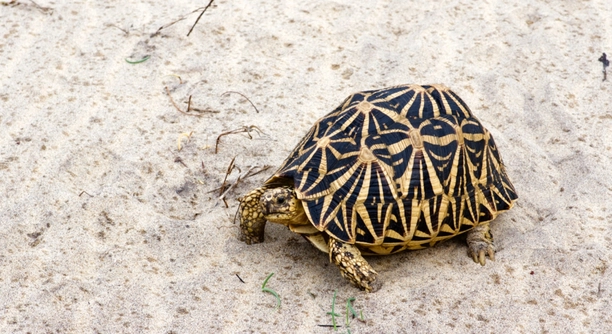
Turtles are fascinating creatures, and their behavior can sometimes leave us wondering about their actions. If you’ve noticed your turtle scraping its legs on rocks, it might seem a little odd at first.
The primary reason a turtle scrapes its legs on rocks is due to shedding or a behavioral habit. Turtles may rub against rocks to help remove dead skin, particularly during molting, or as a part of routine activity.
This behavior is often natural, but there are other factors that could be at play. Learning more about your turtle’s health and habits can help ensure it stays comfortable and happy in its environment.
Shedding and Molting
Turtles shed their skin periodically, and scraping their legs against rocks is a common behavior to help with the process. Just like other reptiles, turtles have a hard outer layer of skin that needs to be removed as they grow. They often rub themselves on rough surfaces, like rocks, to aid in shedding this dead skin. This is a normal and healthy part of their life cycle, ensuring that their new skin can develop properly.
Some turtles may scrape more frequently during shedding seasons, especially if they are growing fast. It’s important to monitor the frequency of the scraping to make sure it’s just a natural process. If the behavior persists or seems excessive, it might be worth considering other causes.
Shedding is usually a smooth process. However, if your turtle seems to be struggling or scraping too much, it could indicate dryness or improper humidity levels in their tank. Providing the right environment can make a big difference in helping them shed comfortably.
Tank Environment and Hydration
If your turtle’s tank isn’t set up correctly, they may scrape their legs more than necessary. Proper humidity and water conditions are essential for a turtle’s health.
Turtles, like all reptiles, require a humid environment to keep their skin from becoming too dry. A lack of moisture can lead to uncomfortable shedding. If your turtle’s skin becomes too dry, it may cause them to scrape their legs more vigorously on rocks or tank decor to alleviate discomfort. This could also lead to minor abrasions or skin damage.
Check the water temperature and humidity levels regularly to make sure they are within the proper range for your specific turtle species. Keeping the tank clean and free of debris will also help reduce irritation. Hydration is key, so ensure your turtle has access to clean water at all times, which can help with skin health.
Overgrown Nails and Claws
Turtles often scrape their legs to deal with overgrown nails or claws. In the wild, they wear down their nails naturally by climbing on surfaces or digging. In a tank, the lack of natural wear can lead to longer, sharper nails that may cause discomfort or require scraping.
Overgrown nails can become problematic if not properly maintained. Turtles may try to scrape or rub their legs against rocks to file down their nails. This behavior is often seen as a natural response, but it can lead to scratches or abrasions if the nails aren’t trimmed regularly. It’s essential to monitor the length of your turtle’s nails to prevent this.
If your turtle’s claws are too long, it’s best to trim them gently using specialized reptile clippers. Be careful not to cut too close to the quick of the nail, as this can cause pain or injury. Regular maintenance will prevent the need for excessive scraping on rocks and keep your turtle comfortable.
Stress and Anxiety
Scraping may be linked to stress or anxiety in turtles. If your turtle feels threatened or uncomfortable in its environment, it may engage in repetitive behaviors like leg scraping. These actions can help the turtle self-soothe or distract from its anxiety.
Stress can come from many sources, such as improper tank size, environmental changes, or lack of stimulation. Turtles are creatures of habit, and a disruption in their routine can cause stress. If your turtle is constantly scraping, it may be trying to cope with discomfort or fear. Checking for signs of stress like hiding, refusal to eat, or excessive movement is important.
To reduce stress, provide a stable environment for your turtle. This includes maintaining the right water conditions, temperature, and lighting. Enrichment activities such as hiding spots or new objects to explore can also help ease anxiety. By improving your turtle’s surroundings, you can reduce its need for repetitive behaviors like scraping.
Physical Injury or Irritation
Scraping can also occur if your turtle is experiencing physical discomfort or irritation. Small injuries, like cuts or abrasions, may cause them to rub against rocks to relieve the irritation. Scraping can sometimes be a sign that something is bothering them physically.
If your turtle is scraping more than usual, inspect them carefully for any signs of injury. Look for scratches, swelling, or redness on their legs or shell. If you notice any unusual marks, it’s important to address them immediately by providing proper care. Untreated injuries can lead to infections and further complications.
Make sure the rocks or other surfaces in your turtle’s habitat are smooth enough to avoid causing harm. Providing a safe and comfortable environment will reduce the chances of physical injury that might lead to excessive scraping.
Illness or Skin Infection
Turtles may scrape their legs as a result of skin infections or other illnesses. Fungal or bacterial infections can cause discomfort, prompting turtles to scrape their legs against rough surfaces. This behavior may be their way of attempting to soothe irritated skin.
If your turtle is showing signs of redness, swelling, or unusual behavior, it could indicate an underlying health problem. Infections can cause pain and make the skin feel uncomfortable, leading to more scraping. These conditions can spread quickly if left untreated.
If you suspect an infection, consult a reptile vet for proper treatment. Medication or changes in the environment may be necessary to resolve the issue. Taking prompt action can help prevent further health complications for your turtle.
Tank Cleaning and Maintenance
Poor tank hygiene can lead to skin irritation, which might cause your turtle to scrape its legs. When the water or tank decor isn’t cleaned regularly, bacteria or algae buildup can irritate your turtle’s skin. This could make them rub their legs against rocks to relieve discomfort.
Maintaining a clean tank is crucial to your turtle’s health. Regular water changes, filter maintenance, and spot cleaning of surfaces can help reduce the chances of skin irritation. Ensure that any items inside the tank, like rocks, are smooth and free from harmful debris that could scrape your turtle’s skin.
A clean, well-maintained environment promotes better health and reduces the likelihood of scraping due to irritation. Regularly check the cleanliness of the water and tank to ensure that your turtle’s habitat stays safe and comfortable.
FAQ
Why is my turtle scraping its legs on rocks?
Turtles often scrape their legs on rocks to help remove dead skin during shedding or to deal with overgrown nails. It’s a natural behavior that helps them keep their skin and claws in good condition. If this action seems excessive or seems to be causing distress, check the tank environment, as factors like dryness, poor humidity, or unclean conditions can contribute to this behavior.
How do I know if my turtle’s scraping is a sign of stress?
If your turtle is scraping its legs more frequently or appears restless, it could be a sign of stress. Stress in turtles can be caused by changes in the environment, improper tank size, poor water quality, or even lack of stimulation. If your turtle is showing signs like not eating, hiding more often, or swimming aimlessly, stress could be the cause of its scraping behavior. Improving the tank conditions and adding hiding spots or enrichment can help ease their anxiety.
Can I stop my turtle from scraping its legs?
While scraping can be a normal behavior, there are ways to reduce excessive scraping. First, ensure the tank has the proper humidity levels and that the water is clean. Regular maintenance of your turtle’s habitat can prevent skin irritations and injuries that may cause them to scrape more. If your turtle’s claws are overgrown, trimming them can reduce the need for scraping. Additionally, providing smooth surfaces instead of rough rocks may prevent discomfort.
Is it necessary to trim my turtle’s nails?
Yes, trimming your turtle’s nails is important if they have become too long. Overgrown nails can cause discomfort and lead to more scraping on rocks or tank surfaces. Trimming nails carefully with reptile clippers will help prevent injuries and make your turtle more comfortable. Be sure not to cut too close to the quick of the nail to avoid causing pain or bleeding.
How can I tell if my turtle has a skin infection?
If your turtle is scraping more than usual and has visible signs like redness, swelling, or unusual patches on its skin, it might be dealing with a skin infection. Infections in turtles can cause pain and irritation, which might make them rub against rocks or other surfaces. If you notice these symptoms, it’s best to consult with a reptile vet who can diagnose and recommend treatment.
How can I improve my turtle’s tank environment?
To reduce excessive scraping and improve your turtle’s overall well-being, maintain proper tank conditions. Ensure the water temperature, humidity, and lighting are appropriate for your species. Cleaning the tank regularly and replacing water can prevent bacteria buildup and skin irritation. Adding smooth, non-abrasive rocks or other tank decorations can also reduce the likelihood of your turtle scraping itself. Providing enough space for swimming and resting is key to keeping your turtle stress-free.
Can overgrown claws hurt my turtle?
Yes, overgrown claws can hurt your turtle if they become too long. Long claws can cause discomfort while walking or swimming, and they may even get caught on surfaces. This can lead to injury or even cause your turtle to scrape its legs excessively. Regularly checking and trimming your turtle’s nails will prevent these issues and help them stay comfortable.
What if my turtle’s scraping doesn’t stop?
If your turtle’s scraping persists despite changes in the environment or care routine, it could indicate an underlying health issue. A persistent scraping behavior may be caused by pain, irritation, or an infection that needs veterinary attention. Be sure to inspect your turtle for any signs of injury or illness, such as abnormal skin, swelling, or lethargy. Consulting with a reptile vet is the best course of action to address the issue properly.
Is it normal for my turtle to scrape only on one leg?
If your turtle is scraping only one leg, it could be due to an injury or discomfort specific to that leg. Turtles may focus on one area more than another if they’re trying to relieve irritation or pain. Look for signs of swelling, redness, or injury on the affected leg. If the problem persists, seeking advice from a reptile vet is recommended to rule out infection or injury.
Can a dirty tank cause my turtle to scrape its legs?
Yes, a dirty tank can lead to skin irritation and discomfort, which may cause your turtle to scrape its legs more often. Algae, bacteria, and other debris in the tank can irritate your turtle’s skin, prompting them to rub against rocks or surfaces. Regular tank cleaning and maintaining proper water quality can help reduce this behavior and keep your turtle comfortable.
How do I spot a health problem if my turtle is scraping its legs?
If your turtle is scraping its legs and there are additional signs such as swelling, sores, or changes in appetite, it could be a sign of a health issue. Look for signs of infection, such as redness, unusual patches on the skin, or lethargy. If these symptoms appear, it’s best to take your turtle to a vet for a thorough examination and treatment.
Can I use a reptile balm or ointment to stop my turtle from scraping?
While some reptile balms or ointments are safe for treating dry skin or minor irritations, they should be used with caution. Only use products that are specifically designed for turtles, as some ointments can be harmful if ingested. Before applying any product, check with your vet to make sure it’s safe for your specific turtle species and the issue at hand.
How often should I clean my turtle’s tank?
You should clean your turtle’s tank at least once a week, though more frequent cleanings may be necessary if the tank gets dirty quickly. Regular cleaning of the tank helps to prevent bacteria buildup and keeps the water quality high. Wipe down surfaces and scrub rocks or other decorations to remove any algae or debris that might cause irritation. Changing the water regularly will also help maintain a healthy environment for your turtle.
Final Thoughts
Understanding why your turtle is scraping its legs can help you identify the cause and take the necessary steps to address it. Scraping is often a natural behavior that occurs during shedding or when your turtle’s nails become overgrown. These behaviors are part of their routine and usually not a cause for concern. However, if the scraping seems excessive or persistent, it may point to other issues, such as stress, injury, or skin infections. By observing your turtle’s overall behavior and condition, you can better determine whether the scraping is a sign of a problem that needs attention.
Providing the right environment for your turtle is essential in preventing unnecessary scraping. Regularly cleaning the tank, ensuring proper humidity and water conditions, and offering smooth surfaces can reduce the likelihood of skin irritation. Additionally, trimming your turtle’s nails when necessary can prevent discomfort that might lead to excessive scraping. Ensuring that your turtle’s habitat is clean, safe, and comfortable can make a big difference in their behavior and overall well-being. A few simple adjustments to their environment and care routine can help keep them happy and healthy.
If you ever notice changes in your turtle’s behavior, it’s always a good idea to consult with a vet, especially if the scraping continues or if there are signs of injury or illness. Addressing problems early on can prevent them from becoming more serious. Whether it’s adjusting their environment or seeking medical advice, taking the time to care for your turtle’s needs will ensure that they remain in good health. With proper care and attention, most cases of leg scraping will resolve themselves, and your turtle will continue to thrive.

Hello,
If you enjoy the content that we create, please consider saying a "Thank You!" by leaving a tip.
Every little bit helps us continue crafting quality advice that supports the health, happiness, and well-being of pets around the world, for pets of all shapes, sizes, and species.
We really appreciate the kindness and support that you show us!