
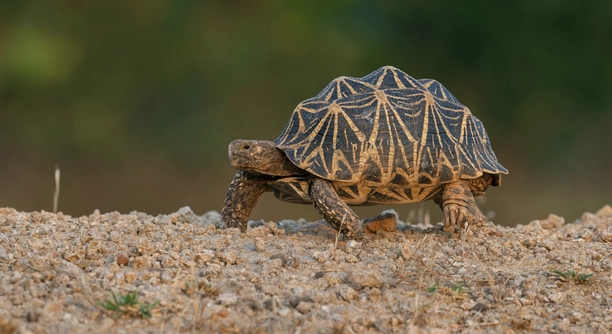
Creating a naturalistic turtle tank is an exciting way to enhance the habitat for your shelled friend. A well-designed tank can mimic their natural environment, providing both comfort and stimulation.
To create a naturalistic turtle tank, focus on providing appropriate water conditions, plants, rocks, and hiding spaces. Additionally, ensure the tank is large enough for your turtle to swim freely and offer a basking area to regulate body temperature.
By adding the right elements, you can transform a basic tank into a lush, realistic environment for your turtle to thrive in.
Choosing the Right Tank Size
The size of your turtle tank is a crucial factor for creating a comfortable environment. Turtles need space to swim, dive, and bask, and a cramped tank can cause stress and health issues. The general rule is to provide at least 10 gallons of water for each inch of your turtle’s shell. Larger tanks are always better, as they mimic the expansive environment turtles enjoy in the wild.
A spacious tank helps maintain clean water conditions, especially as turtles tend to be messy swimmers. Additionally, the larger the tank, the easier it is to create a balanced ecosystem with plants, rocks, and other features. It also provides enough space for your turtle to swim and explore without feeling confined.
Make sure to choose a tank that can comfortably fit all the features your turtle needs. This will allow for both swimming and basking areas. Properly designed tanks support healthier turtles and reduce the risk of diseases that can arise from poor living conditions.
Water Quality and Filtration
Water quality is an essential aspect of a turtle’s habitat. It is important to maintain clean, clear water that is free of harmful bacteria. A good filtration system is necessary to handle the waste produced by your turtle, preventing the buildup of toxins.
The filter you choose should be strong enough to handle the size of your tank. It should be able to clean all the water at least once an hour, ensuring proper filtration. Keep in mind that turtles are not as delicate as fish and can tolerate a bit more debris, but regular water changes are still vital.
Along with the filter, testing your water’s temperature, pH, and hardness regularly is crucial to maintaining a healthy environment. Clean water reduces the risk of diseases, parasites, and infections, ensuring your turtle stays active and happy.
Adding Plants to the Tank
Live plants create a natural feel while offering benefits like water filtration and hiding spaces for your turtle. Choose hardy plants that can survive the tank conditions, such as Java Ferns and Anubias.
When selecting plants, focus on those that thrive in both submerged and partially submerged environments. Turtles tend to nibble on plants, so it’s important to choose species that are resistant to being eaten. Additionally, make sure the plants have strong roots to stay anchored in the substrate. Over time, plants help stabilize the ecosystem and reduce excess nutrients in the water.
A well-planted tank not only improves the visual appeal but also enhances your turtle’s health. Healthy plants contribute oxygen, and some even help reduce algae growth, keeping the tank clean. Just be sure to provide enough lighting for plants to thrive. Regular maintenance of the plants, like trimming dead leaves, keeps the tank looking fresh.
Substrate Choices
The substrate in your turtle tank can affect water quality and provide comfort for your turtle. Use non-toxic, smooth gravel, or a sandy substrate to avoid scratching their sensitive shells. Avoid sharp materials.
The substrate also plays a role in the overall filtration process. It helps filter debris and supports beneficial bacteria that break down waste. However, be mindful of how deep the substrate is. Too deep of a substrate can become a hidden area for waste and uneaten food to collect, leading to water quality issues. Ensure the substrate is thin enough for easy cleaning.
A balanced substrate creates a more natural setting and provides a stable foundation for plants and rocks. If you want to add a bit of variety, mixing sand with smooth pebbles creates an ideal base for your turtle’s tank.
Providing Hiding Spots
Turtles need places to retreat when they feel stressed or need privacy. Adding rocks, caves, or even PVC tubes gives them safe hiding spots. Ensure these structures are stable and won’t tip over.
Hiding spots also help reduce aggression. Turtles can be territorial, so offering a place to retreat prevents fights or stress. Natural-looking caves or rocks add to the aesthetic, making the tank more realistic. Ensure that these spaces are accessible, as turtles may not fit into tight spots. Keep them large enough for your turtle to move around comfortably.
Lighting and Heat
Turtles require both UVB lighting and a heat source to stay healthy. UVB helps them produce vitamin D3, which is necessary for calcium absorption. Without it, they can develop shell deformities and other health issues.
Place a basking light above one side of the tank to allow your turtle to regulate its temperature. The basking area should be kept around 85°F to 90°F, while the water temperature should stay between 75°F and 80°F. UVB lighting should be on for 10-12 hours a day, mimicking natural daylight.
Tank Decorations
Decorations can be both functional and decorative. Adding smooth rocks, driftwood, or faux plants gives your turtle opportunities to explore and climb. These features also help create a more natural environment.
FAQ
How do I know if my turtle tank has enough space?
The tank should be large enough for your turtle to move freely. A general guideline is to provide 10 gallons of water for every inch of your turtle’s shell. For example, if your turtle is 4 inches long, a 40-gallon tank is a good starting point. However, if you plan on having more than one turtle or want to add decorations, you may want to go bigger. It’s important to ensure your turtle has room to swim, dive, and bask.
Can I use tap water for my turtle tank?
Yes, you can use tap water, but it needs to be treated. Tap water often contains chlorine or chloramine, which can harm your turtle. You should always treat the water with a water conditioner that removes these chemicals before adding it to the tank. Additionally, regularly test the water for pH, hardness, and ammonia levels to ensure it’s safe for your turtle. If your tap water has high levels of minerals or metals, consider using distilled or dechlorinated water.
Do turtles need a filter in their tank?
Yes, a filter is essential. Turtles are messy creatures and produce a lot of waste. Without a filter, water quality can quickly degrade, leading to harmful bacteria and poor water conditions. A good filtration system will help keep the water clean and safe for your turtle. Choose a filter designed for a tank size that’s larger than your current tank to ensure efficient filtration. Also, clean the filter regularly to keep it running smoothly.
What temperature should the water in the tank be?
The water temperature should be kept between 75°F and 80°F (24°C to 27°C) for most freshwater turtles. This range supports your turtle’s metabolism and helps with digestion. You can use an aquarium heater to maintain the proper temperature. It’s important to also monitor the basking area temperature. Basking spots should be warmer, around 85°F to 90°F (29°C to 32°C), so your turtle can regulate its body temperature by moving between the water and basking areas.
Can turtles live with other animals in the same tank?
While it’s possible to have other animals in the tank with your turtle, it depends on the species. Generally, it’s not recommended to house turtles with other fish or aquatic animals, especially small ones, as turtles may see them as food. Some turtle species may be more tolerant of tank mates, but there’s always a risk of aggression. If you do choose to have other animals, ensure they are compatible and won’t stress out your turtle.
How often should I clean my turtle tank?
Cleaning your turtle tank should be done regularly, at least once a week, to maintain water quality. Partial water changes of about 25% are a good start. Use an aquarium vacuum to clean the substrate and remove waste. Clean the tank walls and decorations as well to prevent algae buildup. A full tank cleaning, including replacing the filter media and cleaning the filter, should be done every month. This keeps the water fresh and ensures the environment stays healthy for your turtle.
What kind of food should I feed my turtle?
Turtles need a balanced diet that includes both animal and plant matter. You can feed your turtle commercial pellets that are specially formulated for their nutritional needs, along with fresh vegetables like leafy greens, carrots, and aquatic plants. Occasionally, you can offer live food, such as feeder fish or insects, but don’t overdo it. Avoid feeding your turtle foods that are too high in fat, like fatty fish or processed human food. Always remove uneaten food to keep the tank clean.
How can I make sure my turtle gets enough UVB light?
UVB lighting is crucial for your turtle’s health. Without it, they can develop metabolic bone disease due to a lack of vitamin D3. Place a UVB light over the basking area, making sure it’s positioned at the correct distance to provide enough exposure. The UVB bulb should be replaced every 6-12 months, even if it still works, because the intensity of UVB light decreases over time. Keep the UVB light on for 10-12 hours per day to mimic natural daylight cycles.
Can I keep a turtle in a small tank?
While it might be tempting to keep a turtle in a smaller tank, it’s not ideal. A small tank doesn’t provide enough room for your turtle to swim and may cause stress. It can also lead to poor water quality because smaller tanks have less capacity to handle waste. Even small turtles need plenty of space to move and grow. It’s better to start with a larger tank that you can expand as your turtle grows.
How do I prevent algae from growing in my turtle tank?
Algae growth is common in tanks with high light levels and nutrients. To prevent algae, you can reduce the amount of light the tank gets, either by shortening the light cycle or placing the tank in a less sunny spot. You can also add algae-eating creatures like snails or specific species of fish that help control algae. Regular cleaning and maintaining good water quality will also reduce algae buildup. Avoid overfeeding your turtle, as leftover food contributes to algae growth.
What should I do if my turtle is not eating?
If your turtle suddenly stops eating, it may be due to stress, illness, or improper water conditions. Check the water temperature, pH, and cleanliness to ensure they are within the correct range. Make sure the basking area is warm enough. Stress from changes in environment, tank mates, or handling can also cause a loss of appetite. If your turtle continues not eating for several days, consult a veterinarian to rule out health issues.
Do turtles need a basking area?
Yes, a basking area is essential for your turtle. Turtles need to bask to regulate their body temperature and absorb UVB light for vitamin D3 production. A basking area can be created using a flat rock, a platform, or a floating dock. The temperature of the basking area should be around 85°F to 90°F (29°C to 32°C). Ensure the area is easily accessible, and place a UVB light above the basking spot to provide the necessary exposure.
Final Thoughts
Creating a naturalistic turtle tank is more than just an aesthetic project. It’s about building a comfortable and healthy environment for your turtle to thrive. By considering important factors like tank size, water quality, and proper lighting, you can help ensure your turtle has everything it needs to stay active and healthy. A well-designed tank also makes it easier to manage your turtle’s environment, keeping water clean and promoting natural behaviors. The key is to pay attention to the needs of your turtle and make adjustments as they grow.
Choosing the right tank size is the first step toward a happy, healthy turtle. It’s essential to give them enough space to swim and explore, as well as room for basking and hiding. You should always aim for a tank that’s large enough for your turtle to move freely, considering that they will grow over time. Once you’ve set up the right size tank, you can focus on adding elements like plants, hiding spots, and the right substrate to help create a more natural and stimulating environment.
Finally, the ongoing care of the tank is just as important as its setup. Regular water changes, filter maintenance, and cleaning are all necessary to keep the environment stable. By monitoring water temperature, ensuring proper lighting, and providing a balanced diet, you create the best conditions for your turtle’s well-being. Setting up a turtle tank requires time, effort, and attention to detail, but with the right care, your turtle will thrive in a space that mirrors its natural habitat.

Hello,
If you enjoy the content that we create, please consider saying a "Thank You!" by leaving a tip.
Every little bit helps us continue crafting quality advice that supports the health, happiness, and well-being of pets around the world, for pets of all shapes, sizes, and species.
We really appreciate the kindness and support that you show us!