
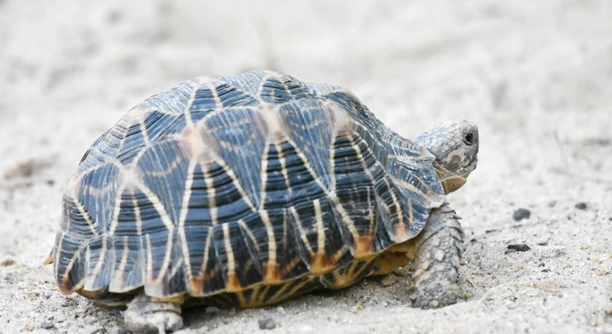
Turtles are peaceful creatures that require proper care and attention. One important factor in their well-being is their living environment. A tank that’s too small can lead to stress and health issues.
A tank that is too small for your turtle can restrict its movement and growth. Turtles need space to swim, bask, and explore, and an undersized tank may lead to unhealthy behaviors, stress, and physical complications.
In this article, we will explore key signs that your turtle might need a bigger tank. Understanding these signs can help ensure your pet’s comfort and health in the long run.
The Tank Looks Overcrowded
When your turtle’s tank is overcrowded with decorations or other animals, it can feel cramped. Too many items or tankmates leave little room for swimming, which affects your turtle’s behavior and health. It may start to seem stressed or lethargic.
A proper tank for your turtle should have enough space for it to move around freely. An overcrowded tank reduces the available swimming area, which is essential for your turtle’s daily activities. You might notice your turtle spending less time swimming and more time hiding. This behavior can indicate that it feels uncomfortable or unsafe in its environment.
If your turtle shows signs of stress, like not eating or staying mostly at the bottom of the tank, it might need more space. Consider removing some decorations or relocating tankmates to give your turtle more room. The right environment can improve your turtle’s quality of life and help it thrive.
Inability to Swim Freely
Limited space in the tank also prevents your turtle from swimming freely. This can cause long-term issues, like weakened muscles. Having a larger tank ensures your turtle can move around naturally.
Proper swimming space is essential for a turtle’s physical health. It strengthens muscles and keeps them active, which is crucial for their overall well-being. When the tank is too small, your turtle might be unable to move as much as it needs. This results in a less healthy and more sedentary pet.
Tank Water Quality Declines
When a turtle’s tank is too small, it becomes harder to maintain clean water. The smaller the tank, the faster it can become polluted. This leads to unhealthy water conditions.
A smaller tank doesn’t allow the water to filter properly, causing harmful waste to build up quickly. Turtles are messy creatures, producing a lot of waste that can easily cloud the water. In a small tank, the water quality drops fast, which increases the risk of infections and health problems for your turtle. Over time, poor water quality can lead to skin and shell issues.
Regular water changes and filtration are important, but they aren’t enough if the tank is too small. A larger tank provides better water circulation and gives the filtration system more space to do its job. If you notice your turtle getting sick or struggling with poor water quality, it may be a sign your tank isn’t large enough.
Limited Space for Basking
Turtles need a dry area to bask, which is vital for their health. If your tank is too small, it might not have enough space for a proper basking spot. This can cause problems.
A lack of space to bask can prevent your turtle from getting the UV light and warmth it needs. Without a good basking spot, your turtle’s immune system may weaken. It might even develop shell deformities or suffer from metabolic bone disease. The basking area is also important for your turtle to dry off after swimming. If the area is too cramped, your turtle might not get the full benefit of basking. This is a clear sign it’s time to upgrade the tank size.
Your Turtle Is Growing Quickly
Turtles grow over time, and they need more space as they get bigger. If your turtle has outgrown its current tank, it might show signs of discomfort.
As your turtle grows, its space needs also grow. A tank that was once suitable can quickly become too small. Your turtle may appear more restless or less active, struggling to move around in a cramped environment. Without the right space, your turtle may not develop properly.
Signs of Stress Become Visible
A turtle that is stressed might show specific behaviors, such as hiding, refusing food, or swimming in circles. A small tank can trigger these behaviors.
Stress can also lead to health problems. If you notice your turtle acting abnormally, it could be due to the limited space in its tank. Stress can weaken your turtle’s immune system, making it more susceptible to illness. Giving your turtle more room can reduce these stressors and improve its overall well-being.
Tank Temperature Fluctuates
A smaller tank makes it harder to maintain a stable temperature. This can cause your turtle to feel uncomfortable or stressed.
In smaller tanks, temperature regulation becomes more difficult because there is less space for the water to distribute heat evenly. This can lead to hot and cold spots, making it hard for your turtle to find a comfortable place. A larger tank helps with more even heat distribution, ensuring that your turtle stays healthy and comfortable.
FAQ
How big should my turtle’s tank be?
The size of your turtle’s tank depends on its species and size. A general rule is to have 10 gallons of water for every inch of your turtle’s shell length. For example, a 4-inch turtle needs at least a 40-gallon tank. If your turtle is growing quickly, you may need to upgrade the tank size sooner. It’s better to give your turtle more space than to let it outgrow the tank. Turtles need room to swim, bask, and explore. A bigger tank also helps maintain better water quality and temperature.
Can a tank be too big for a turtle?
It is rare for a tank to be too big for a turtle. However, there are some considerations to keep in mind. A very large tank can be harder to manage, and it may require a more powerful filtration system. If you have a baby turtle, a large tank may feel intimidating, so you might want to add hiding spots to make it feel safer. But in general, a larger tank is better for the turtle’s health and well-being.
How often should I change the water in my turtle’s tank?
The frequency of water changes depends on the size of the tank and the number of turtles. In a larger tank with proper filtration, you may only need to change the water once every two weeks. However, if your tank is smaller, you may need to do it more frequently. It’s important to monitor the water’s clarity and smell. If the water looks cloudy or has a foul odor, it’s time to change it. A good rule of thumb is to change 25-50% of the water each week.
What type of filtration system is best for my turtle’s tank?
Turtles produce a lot of waste, so a strong filtration system is essential. The best type of filter for your turtle’s tank is one that is rated for a tank size larger than your current setup. Canister filters are often the most effective as they can handle more waste and keep the water clean for longer periods. If your tank is small, a hang-on-back filter may suffice, but it’s important to ensure that it has enough capacity for your turtle’s waste load.
Do I need to provide a basking area for my turtle?
Yes, a basking area is essential for your turtle’s health. Turtles need UVB light to produce Vitamin D3, which is crucial for their shell and bone development. Without a proper basking spot, your turtle may develop metabolic bone disease or other health issues. The basking area should be dry and have a ramp or platform where your turtle can climb out of the water. Ensure the area gets enough heat and UV light to keep your turtle healthy.
How do I know if my turtle is stressed?
Stress in turtles can manifest in several ways. If your turtle is constantly hiding, swimming aimlessly, or refusing food, it may be stressed. A stressed turtle may also bask excessively or avoid basking altogether. You might also notice that your turtle becomes more aggressive or lethargic. Stress can be caused by factors such as a small tank, poor water quality, overcrowding, or inadequate basking areas. Addressing these factors can help reduce stress and improve your turtle’s behavior.
Can I keep more than one turtle in the same tank?
It is possible to keep more than one turtle in the same tank, but it depends on the species and the size of the tank. Some turtles are territorial and may become aggressive toward each other. If you plan to keep multiple turtles, make sure your tank is large enough to give each one plenty of space. A good rule of thumb is to provide at least 10 gallons of water for each turtle. Monitor their behavior to ensure they are getting along and adjust the tank size if needed.
Do turtles need a heater in their tank?
Yes, turtles need a heater to maintain the right water temperature. Most species of turtles require water temperatures between 75-80°F (24-27°C). A reliable submersible heater will help maintain this temperature range. It’s important to use a thermostat to prevent the water from becoming too hot or too cold. If the water is too cold, your turtle may become sluggish or even ill. Similarly, if the water is too warm, it can lead to stress and health problems.
Can I use tap water in my turtle’s tank?
Yes, you can use tap water, but you need to treat it first. Tap water often contains chlorine and other chemicals that are harmful to your turtle. To make it safe, you should use a water conditioner that neutralizes chlorine and chloramine. It’s also a good idea to test the water’s pH and hardness levels to ensure they’re appropriate for your turtle species. If your tap water is very hard, you might want to use distilled water or water from a different source.
How do I clean my turtle’s tank properly?
To clean your turtle’s tank, start by removing the turtle and any decorations. Use a siphon to remove waste from the substrate and change part of the water. Clean the tank walls and the bottom using a soft sponge or scrub brush. Avoid using harsh chemicals that could harm your turtle. Clean the filter media as needed, and replace it if it starts to deteriorate. Always rinse everything thoroughly before putting it back in the tank. Regular maintenance will help keep your turtle’s environment clean and healthy.
Final Thoughts
Choosing the right tank size for your turtle is essential to ensure its health and happiness. A tank that is too small can cause stress, limit movement, and make it difficult to maintain clean water. Over time, these conditions may lead to serious health issues like weakened muscles, poor shell development, or even infections. When you notice signs that your turtle is outgrowing its tank or showing stress, it’s time to consider upgrading to a larger tank. The extra space will allow your turtle to swim freely, bask properly, and thrive in a more natural environment.
In addition to the size of the tank, other factors such as proper filtration, temperature regulation, and access to UVB light are also important. A larger tank makes it easier to manage water quality and temperature, both of which are crucial for your turtle’s well-being. When the water is cleaner and the temperature is stable, your turtle can feel more secure and less stressed. Proper care involves not just providing the right amount of space but also ensuring the overall environment supports your turtle’s needs for food, comfort, and health.
Overall, taking the time to assess your turtle’s tank and making necessary adjustments can improve its quality of life. A bigger tank can seem like a lot of work initially, but it is an investment in your turtle’s long-term health. Remember, turtles are not small pets, and they require enough room to move, explore, and grow. By providing a spacious tank, you are offering your turtle the opportunity to live a longer, healthier life.

Hello,
If you enjoy the content that we create, please consider saying a "Thank You!" by leaving a tip.
Every little bit helps us continue crafting quality advice that supports the health, happiness, and well-being of pets around the world, for pets of all shapes, sizes, and species.
We really appreciate the kindness and support that you show us!