
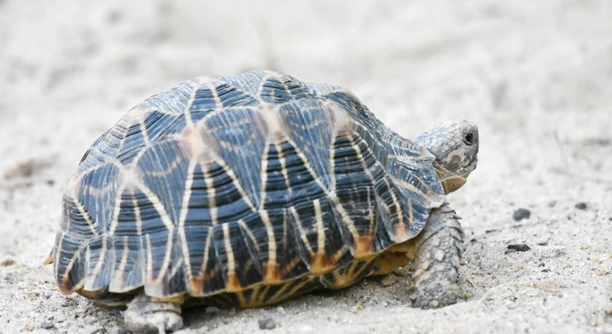
Turtles can be fascinating pets, but when they begin biting their tank mates, it can be frustrating. Understanding why this behavior occurs will help you address it effectively and ensure all your turtles live peacefully.
Turtles bite their tank mates for various reasons, including territorial behavior, feeding competition, or stress. Understanding these triggers allows you to take appropriate action, ensuring a safer and more harmonious environment for all the animals in the tank.
Finding the right solutions can help prevent injuries and improve the overall wellbeing of your turtles. Identifying stressors and adjusting the tank setup may solve the problem and keep your pets happy and healthy.
Why Do Turtles Bite Each Other?
Turtles are often peaceful creatures, but biting can happen. Most turtles are territorial, meaning they see their tank mates as competition for space and resources. When a turtle feels its territory is being threatened, it may resort to biting as a way of asserting dominance. This is common in species like red-eared sliders and painted turtles. Additionally, if turtles are hungry or not getting enough food, they might bite each other during feeding time. Stress is another big factor, especially if there are too many turtles in the tank or if they’re not comfortable with their environment. Understanding these behaviors is key to solving the problem.
Biting can also happen if the tank is overcrowded. A lack of space causes stress and leads to aggression. Overcrowding means more turtles competing for food, shelter, and basking spots, which can intensify negative behaviors.
To reduce biting, make sure there’s enough room for each turtle. A larger tank with plenty of hiding spots can ease stress. If there are multiple turtles, separate them during feeding times to prevent fights. Regularly check water quality, too, as poor water conditions can add to their stress. Some turtles may need more time to get used to each other, so be patient and observe closely for any signs of aggression.
Tank Conditions and Their Impact
Proper tank conditions are essential in preventing aggressive behavior in turtles. Poor water quality, inadequate basking areas, and a cramped environment can all increase stress levels, leading to more biting. Regular water changes and proper filtration are a must.
Turtles need both space and stimulation to feel comfortable in their environment. If they don’t have enough room to move around freely, they may become agitated, leading to aggression. They also require spots where they can hide and relax to reduce stress. A poorly maintained tank can cause health issues, which further contribute to their unease. Even the type of substrate, the plants, and the tank layout can have an impact on their behavior. Keeping the tank clean and well-decorated with areas for retreat can help create a more peaceful atmosphere. By making these adjustments, you can reduce the chances of biting and other unwanted behaviors.
Feeding and Competition
Feeding time can bring out aggression in turtles. When food is scarce or competition is high, turtles might bite each other. If they feel they’re not getting enough, they may fight for every morsel. This behavior is especially common in smaller tanks or if there are too many turtles.
To reduce biting, make sure every turtle has access to enough food. You can feed them in separate areas of the tank to prevent competition. Offering a variety of food items, like leafy greens and protein-rich options, can also help satisfy their hunger. Feeding multiple times a day might prevent aggression as well. Additionally, avoid overfeeding; leftover food can lead to water quality issues, further stressing your turtles. Keep an eye on their eating habits to ensure they’re getting what they need without overloading the tank.
Stress and Territorial Behavior
Stress is one of the main reasons turtles bite each other. Territorial disputes are common, especially in confined spaces. Turtles may feel threatened by their tank mates and react aggressively. Adding too many turtles can increase stress levels, as they fight for basking spots, hiding areas, and even the best spots to swim.
Creating a calm and balanced environment is key. You should provide enough hiding places, such as rocks or plants, where turtles can retreat if they feel threatened. Additionally, a larger tank helps reduce the feeling of crowding. Keep the temperature stable and ensure the water quality is optimal. Healthy turtles are less likely to act aggressively. Pay attention to each turtle’s behavior to spot signs of stress early, such as hiding too much or staying in one spot for long periods. These signs can help prevent aggressive actions like biting.
Tank Mates and Compatibility
Not all turtles get along, and choosing the right tank mates is important. Some species are more aggressive, while others are more peaceful. Pairing turtles of similar size and temperament can help prevent biting.
When selecting tank mates, ensure they are compatible. Avoid mixing aggressive species with more docile ones, as this can cause stress and lead to fights. Some turtles prefer solitude, while others thrive in groups. Research each turtle species before introducing new tank mates to avoid conflict and ensure a peaceful environment for everyone.
The Role of Size and Growth
The size of the turtles plays a significant role in aggression. Larger turtles may feel threatened by smaller ones or may try to assert dominance. As turtles grow, their behavior can change, and their need for personal space increases.
If you have turtles of different sizes, it’s best to separate them as they grow. Larger turtles may inadvertently harm smaller ones during feeding or territorial disputes. A properly sized tank can accommodate growth and help minimize stress, allowing turtles to live comfortably as they mature. Monitoring their growth will ensure they don’t outgrow the tank, causing more tension.
FAQ
Why does my turtle keep biting its tank mates?
Turtles bite each other primarily due to territorial behavior, competition for food, or stress. They may feel threatened by their tank mates and bite to assert dominance. Overcrowded tanks, inadequate space, or poor water quality can also increase aggression. Additionally, feeding competition often triggers biting. Ensuring enough space, separate feeding areas, and proper tank conditions can help reduce these behaviors.
How can I stop my turtles from fighting?
To prevent fighting, increase the size of the tank to provide more space for each turtle. Make sure there are plenty of hiding spots and basking areas for each turtle to claim. Feeding them in separate areas or multiple times a day can reduce competition for food. Reducing stress and ensuring a comfortable environment can also help curb aggressive behaviors. If fighting persists, consider separating more aggressive turtles from peaceful ones.
Is it normal for turtles to bite each other?
Yes, it’s fairly normal for turtles to exhibit biting behavior, especially if they feel threatened or are competing for resources. However, it shouldn’t be happening constantly or causing injuries. Understanding the causes of aggression and addressing them can reduce the likelihood of it becoming a regular issue.
Can turtles hurt each other when they bite?
Yes, biting can cause injury, especially if the turtles are large or aggressive. Bites can lead to scratched shells, wounds, or even more severe injuries, depending on the severity. It’s important to monitor the turtles closely and intervene if the biting causes harm. A well-maintained tank with enough space can reduce these risks.
Should I separate aggressive turtles from the group?
If one turtle is consistently aggressive and causes harm to others, it’s a good idea to separate it from the group. Aggressive turtles may need their own space, especially if they aren’t getting along with tank mates. This will reduce stress on the other turtles and prevent injury. In some cases, it’s best to give turtles time to adjust and gradually reintroduce them when the environment is more suitable.
What are signs of stress in turtles?
Turtles under stress often display certain behaviors like hiding excessively, staying in one spot, or refusing to eat. They may also show signs of aggression or become more passive and withdrawn. Stress can be caused by poor water quality, overcrowding, or inadequate tank conditions. Regular monitoring and making adjustments to their environment can help relieve stress.
Can I keep different species of turtles together?
It depends on the species. Some turtles are compatible, while others are more territorial or aggressive. It’s important to research the specific species you have to understand their behavior. If you do choose to mix species, make sure they have similar needs in terms of water temperature, basking areas, and feeding habits to avoid conflicts.
How often should I clean my turtle’s tank?
Cleaning the tank regularly is important for keeping turtles healthy and reducing stress. Perform partial water changes weekly and clean the tank’s filter. A full cleaning, including scrubbing the tank walls, should be done every few weeks. Always monitor water quality to prevent build-up of harmful bacteria that can lead to health problems.
How much space do turtles need in their tank?
The general rule of thumb is that you need at least 10 gallons of water per inch of turtle shell length. A larger tank is better, especially if you have more than one turtle. Turtles need plenty of space to swim and move around comfortably. An overcrowded tank can lead to stress, aggression, and poor water quality.
What is the best food for my turtles?
A balanced diet for turtles should include both plant-based and protein-based foods. Leafy greens like kale and collard greens are great options, along with aquatic plants. Protein can come from commercial turtle pellets, insects, or small fish. Make sure to vary their diet to keep them healthy, and avoid overfeeding to maintain water quality.
Can a turtle’s behavior change as it grows?
Yes, a turtle’s behavior can change as it matures. Younger turtles tend to be more active and curious, while adults may become more territorial. Larger turtles may also become more aggressive towards smaller tank mates. Their needs in terms of space and diet also change as they grow, so adjustments to their environment may be necessary to keep them comfortable.
How do I know if my turtle is sick?
Signs that a turtle may be sick include lethargy, loss of appetite, shell discoloration or softening, and respiratory issues like wheezing or labored breathing. If your turtle shows any of these signs, it’s important to consult a veterinarian experienced with reptiles as soon as possible. Early treatment is key to preventing more serious issues.
Can I add new turtles to my tank?
When adding new turtles to an existing tank, it’s essential to introduce them gradually and monitor their interactions. Sometimes, turtles may fight at first as they establish their territories. It’s also important to make sure the new turtles are the same species and similar in size to avoid aggression. Separate feeding areas and additional hiding spots can help ease the transition.
What should I do if my turtle is being bullied?
If one turtle is being bullied, it’s best to separate them from the aggressor to reduce stress and prevent injuries. Providing additional hiding spots and basking areas can give the bullied turtle a safe space. If the aggression continues, it may be necessary to consider rehoming one of the turtles or keeping them in separate tanks.
Final Thoughts
Understanding why your turtle bites its tank mates can help you address the problem and create a more peaceful environment for your pets. Turtles are generally calm, but they can become aggressive due to various factors such as territorial behavior, competition for food, and stress. Recognizing these triggers is key to preventing fights. Ensuring your turtles have enough space, food, and proper tank conditions can make a big difference. By making simple changes to the tank setup, you can help reduce stress and prevent unnecessary aggression.
One of the most effective ways to reduce biting is by giving your turtles ample space to swim and bask. An overcrowded tank can cause stress and force turtles to compete for resources. If you have multiple turtles, consider a larger tank with plenty of hiding spots and basking areas. This allows each turtle to feel secure and minimizes territorial disputes. Additionally, feeding your turtles separately or at different times can eliminate the competition for food, which is often a trigger for aggression. Regular water changes and maintaining a clean tank also contribute to a healthier environment, reducing stress and improving the overall wellbeing of your turtles.
If aggression continues despite making these changes, you may need to separate more aggressive turtles from the rest. While most turtles can coexist peacefully, some species are naturally more territorial or assertive. In such cases, it’s better to house them separately to avoid injuries and further stress. Monitoring your turtles’ behavior regularly is important to ensure they are comfortable and happy in their tank. By understanding their needs and creating a suitable environment, you can help your turtles live together peacefully.

Hello,
If you enjoy the content that we create, please consider saying a "Thank You!" by leaving a tip.
Every little bit helps us continue crafting quality advice that supports the health, happiness, and well-being of pets around the world, for pets of all shapes, sizes, and species.
We really appreciate the kindness and support that you show us!