
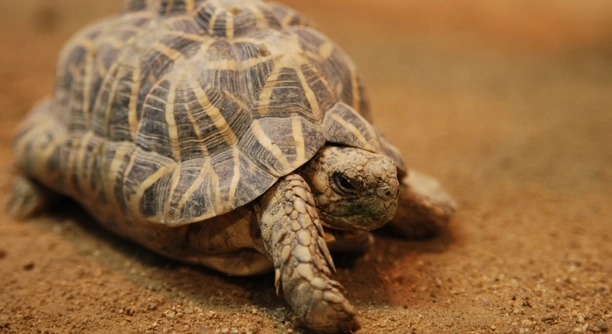
Taking care of a turtle is not just about feeding and providing a safe space. Water quality is an essential factor that can directly impact their health and well-being. Choosing the right water helps keep your turtle happy and thriving.
The best types of water for your turtle include dechlorinated tap water, bottled spring water, and filtered water. These options provide clean, safe environments for your turtle, avoiding harmful chemicals that can harm their delicate systems.
Understanding which water type is best for your turtle will ensure they stay healthy and hydrated. Keep reading to find out which options work best and how to care for your turtle’s aquatic needs.
Why Dechlorinated Tap Water Is a Great Option for Your Turtle
Dechlorinated tap water is one of the easiest and most affordable options for your turtle. Tap water is readily available and provides the basic hydration your turtle needs. However, tap water often contains chlorine or chloramine, which can be harmful to turtles. Chlorine kills beneficial bacteria and may cause skin irritation. Luckily, dechlorination is simple. You can either use a water conditioner or let the water sit for 24 hours, allowing the chlorine to evaporate naturally.
Using dechlorinated tap water ensures your turtle gets the hydration it needs without any harmful chemicals. It’s a reliable and accessible choice, especially for those who have limited access to bottled or filtered water. Just make sure to test the water regularly to ensure it’s free of chlorine or chloramine.
Dechlorinated tap water also provides the necessary minerals that turtles require. These include calcium, magnesium, and other trace elements, which contribute to overall health. By using tap water, you offer your turtle the right environment for growth and well-being. Regular water changes will help maintain cleanliness and avoid any potential issues with water quality.
Bottled Spring Water for Turtles
Bottled spring water can be another great option for your turtle. It’s free from chlorine and other additives, providing a natural, clean environment.
If you want to ensure the best quality water for your turtle, bottled spring water is a reliable choice. It’s especially useful if your tap water contains high levels of chemicals that can affect your turtle’s health. Though it can be more expensive than tap water, it is worth the investment if you want a safe and pure water source for your turtle.
Filtered Water: A Cleaner Option for Your Turtle
Filtered water is an excellent choice for keeping your turtle’s habitat clean. It removes chlorine, chloramine, and other chemicals found in tap water. Using a water filter ensures that your turtle is exposed to clean, safe water that is free of toxins. Many pet owners choose this method for its ease and effectiveness.
A good filter can remove harmful substances while keeping the necessary minerals intact, providing a more balanced water source. It also reduces the chances of water cloudiness, making it easier to monitor the cleanliness of your turtle’s tank. Regular maintenance of the filter will ensure the water remains fresh and healthy.
Investing in a quality water filter helps to maintain the health of your turtle in the long term. It is especially beneficial for turtles that spend extended periods in the water, as the constant filtration prevents the buildup of waste and debris. Just make sure to clean the filter regularly and replace the filter media as needed.
Distilled Water: When It’s Not the Best Choice for Your Turtle
Distilled water may seem like a safe choice because it’s free of impurities, but it’s not always ideal for turtles. It lacks the minerals that turtles need to stay healthy, like calcium and magnesium.
Turtles require certain minerals in their water to support their shell and overall health. Distilled water, being void of these, can lead to deficiencies over time. This may result in problems with your turtle’s shell growth, bone health, and other essential functions. While distilled water is pure, it doesn’t provide the necessary environment for a healthy turtle. If you use it, you may need to supplement with additional minerals.
Tap Water with a Water Conditioner
Using tap water with a water conditioner is another great way to ensure your turtle’s safety. The conditioner removes harmful chemicals, making the water safe for your turtle. It’s a quick and effective method to eliminate chlorine or chloramine from tap water.
Water conditioners are widely available and easy to use. Simply add the recommended amount to your tank, and the harmful chemicals are neutralized. It’s an affordable and straightforward solution, especially for those who prefer to use tap water but want to ensure it’s safe for their turtle. Regular testing will confirm the effectiveness of the conditioner.
Rainwater: A Natural Option for Turtles
Rainwater can be a good choice for your turtle if you live in an area with clean, unpolluted air. It’s naturally free of chlorine and other harmful chemicals.
However, it’s important to collect rainwater carefully to avoid contamination. Make sure the collection containers are clean and that the water is not exposed to pollutants. In some areas, rainwater may be more acidic, which could affect the pH balance of your turtle’s tank. Regular testing is recommended to ensure the water remains safe and appropriate.
FAQ
What is the best type of water for my turtle?
The best types of water for your turtle are dechlorinated tap water, bottled spring water, and filtered water. Dechlorinated tap water is the most common and affordable option. It’s simple to treat and provides all the necessary minerals. Filtered water, on the other hand, is ideal for those who want a cleaner, toxin-free environment. Bottled spring water works well if you need a more consistent source without worrying about chemicals. Each option has its benefits, but they all offer clean, safe water for your turtle to thrive.
Can I use regular tap water for my turtle?
You can use regular tap water for your turtle, but you must dechlorinate it first. Tap water typically contains chlorine or chloramine, both of which are harmful to turtles. If you don’t want to use a water conditioner, letting the water sit for 24 hours can allow the chlorine to evaporate. Always make sure to test the water to ensure it’s safe before adding it to your turtle’s tank.
How often should I change my turtle’s water?
You should change your turtle’s water at least once a week, especially if your turtle spends a lot of time in the water. If you have a larger tank or a good filtration system, you might be able to extend the water change to every 10 to 14 days. Keeping the water clean is essential to your turtle’s health, as dirty water can lead to infections or other health problems. Always monitor the water quality and change it more frequently if necessary.
Can I use distilled water for my turtle?
While distilled water is free of chemicals, it’s not recommended for turtles. It lacks the essential minerals that your turtle needs to stay healthy. Turtles rely on minerals like calcium and magnesium for proper shell growth and overall health. If you use distilled water, you will need to supplement these minerals separately. For a balanced water source, opt for dechlorinated tap water or filtered water.
Is it safe to use rainwater for my turtle?
Rainwater can be a safe option for your turtle if you collect it properly and ensure it’s free from contaminants. Make sure to collect rainwater from clean surfaces and use a clean container. Keep in mind that rainwater can sometimes be acidic, so regular testing for pH levels is important. If the water becomes too acidic, it can affect your turtle’s health, so it’s crucial to monitor the conditions closely.
Should I use bottled water for my turtle?
Bottled water, especially bottled spring water, is a safe option for your turtle. It’s free from harmful chemicals like chlorine and chloramine, which makes it a good choice. However, it can be more expensive than other water sources. Bottled water can be a great option if you want peace of mind that your turtle is getting clean water without any contaminants. Just make sure to check the label to ensure the water is free of added minerals or chemicals that could affect your turtle.
How do I know if my turtle’s water is clean?
You can check if your turtle’s water is clean by observing its clarity and smell. If the water looks cloudy or has an odor, it’s time for a change. Regular water testing can also help. Test for ammonia, nitrate, nitrite, and pH levels to ensure the water is within a safe range for your turtle. A clean environment not only keeps your turtle healthy but also reduces the risk of diseases.
Can I use water conditioners for my turtle’s water?
Water conditioners are an effective way to make tap water safe for your turtle. They remove chlorine and chloramine, which are toxic to your turtle. Most conditioners also neutralize heavy metals and other harmful substances. Using a water conditioner is an easy and affordable solution to treat tap water. Just follow the instructions on the product, and your turtle’s water will be safe for them to swim in.
Do I need to add minerals to my turtle’s water?
In most cases, you don’t need to add extra minerals to your turtle’s water if you are using dechlorinated tap water or bottled spring water. These sources usually contain the necessary minerals for your turtle’s health. However, if you are using distilled water or rainwater that lacks essential minerals, you will need to add a supplement to provide your turtle with calcium, magnesium, and other trace elements. Always research the proper mineral balance for your turtle to avoid over-supplementing.
Can I use tap water if I have a filter?
Yes, you can use tap water if you have a filter. A filter helps remove many of the harmful chemicals and impurities in tap water, providing a cleaner environment for your turtle. However, you still need to ensure the water is free from chlorine or chloramine before adding it to your turtle’s tank. Some filters are designed to remove chlorine, while others might need a separate dechlorination process.
How do I check the pH level of my turtle’s water?
To check the pH level of your turtle’s water, you can use a simple pH test kit that is available at most pet stores. These kits usually include test strips or liquid solutions that change color depending on the pH level. The ideal pH range for turtles is between 6.5 and 7.5. If your water’s pH is too high or too low, it may cause health issues for your turtle, so regular testing is important to maintain the right balance.
Final Thoughts
Choosing the right water for your turtle is an important step in keeping them healthy. The water quality directly affects your turtle’s overall well-being, so it’s crucial to make sure it’s free from harmful chemicals and provides the necessary minerals. While there are several options, the best water choices are dechlorinated tap water, bottled spring water, and filtered water. Each of these provides a safe and clean environment for your turtle to thrive in. It’s important to remember that your turtle’s health is linked to the water they swim in, so making the right decision is key.
Regular water changes and testing are essential practices for maintaining the right water conditions. Water that is too dirty or polluted can lead to skin problems, infections, and other health issues for your turtle. It’s always a good idea to monitor the water quality frequently, ensuring it stays within the safe range. Depending on the size of the tank and the filtration system, you may need to change the water more or less often. However, regardless of the method you use, the water must remain clean and fresh for your turtle’s comfort.
While distilled water may seem like a safe option, it’s not the best choice for your turtle. Without the necessary minerals, it could lead to health issues over time. Rainwater can be another option, but only if it’s collected and tested carefully to avoid contamination. If you choose bottled water or filtered water, you can be more confident that your turtle is getting the proper hydration without harmful chemicals. The most important thing is to ensure the water remains clean, free of toxins, and provides the right balance of minerals for your turtle’s health.

Hello,
If you enjoy the content that we create, please consider saying a "Thank You!" by leaving a tip.
Every little bit helps us continue crafting quality advice that supports the health, happiness, and well-being of pets around the world, for pets of all shapes, sizes, and species.
We really appreciate the kindness and support that you show us!