
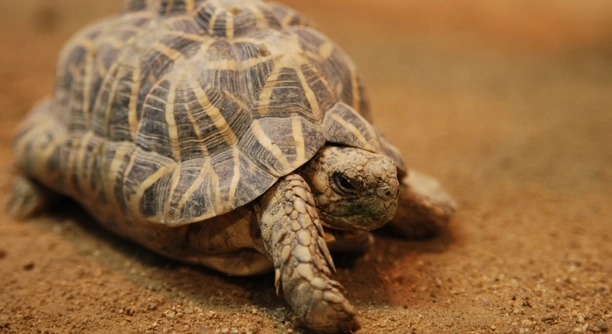
If you’ve noticed your turtle’s skin turning red, it can be concerning. Understanding what’s happening and why is important to ensure their health. Let’s take a closer look at this condition and what it could mean.
The redness on your turtle’s skin can be caused by several factors, such as infection, poor water quality, or stress. In some cases, it might be a sign of a more serious underlying health issue that needs attention.
Keeping your turtle’s environment clean and watching for other symptoms will help you better understand the issue. Knowing the right steps to take will help your turtle feel better and stay healthy.
Common Causes of Red Skin on Turtles
If your turtle’s skin is turning red, it’s crucial to figure out the cause. One of the most common reasons is infection. Bacterial or fungal infections can lead to inflammation and redness on your turtle’s skin. Poor water quality is another factor, as dirty or unfiltered water can irritate your turtle’s skin and cause redness. Stress is also a common cause, and it can show up in many ways, including changes in skin color. Redness can also be a sign of vitamin A deficiency or even burns from exposure to UV light or heat.
Infections are a leading cause of redness, and they need immediate attention. Check your turtle for signs like swelling, discharge, or changes in behavior.
Keeping your turtle in a clean, stable environment is key. Water temperature, lighting, and diet should all be considered. If you notice any abnormal signs or if the redness doesn’t go away, it’s time to see a vet. Turtles need a balanced environment to stay healthy.
How to Prevent Skin Redness in Turtles
Prevention starts with maintaining the right environment. Regularly clean the tank and change the water to keep harmful bacteria away. Make sure your turtle has access to proper UVB lighting to avoid skin issues like burns or deficiencies. A balanced diet is also necessary to keep your turtle healthy.
Diet plays a major role in preventing skin issues. Make sure your turtle gets enough fresh vegetables, proteins, and calcium to maintain good health. Overfeeding or feeding an imbalanced diet can lead to health issues, so keep portions controlled.
Along with diet and cleanliness, it’s essential to monitor your turtle’s stress levels. Stress from handling, overcrowding, or temperature fluctuations can cause skin issues. Try to keep their environment stable and calm. By ensuring your turtle’s habitat is clean and properly maintained, you can help reduce the chances of skin problems.
How to Treat Red Skin on Your Turtle
If your turtle’s skin turns red, it’s important to act quickly. Depending on the cause, treatment may include antibiotics for infections or simply improving water quality. If it’s a burn, providing the right temperature and lighting adjustments can help.
For infections, consult a vet who can prescribe the right medication. You may need to keep your turtle in a quarantine tank to avoid further stress and contamination. Ensure the water is kept clean with proper filtration, and monitor your turtle closely for any signs of improvement or worsening.
If it’s a vitamin deficiency, adjusting their diet is essential. Adding foods rich in vitamin A, like carrots or sweet potatoes, can help. Also, make sure they have a balanced diet to prevent further issues. If the skin redness persists despite changes, seek professional help.
When to Seek Veterinary Care
If your turtle’s skin continues to redden or shows signs of infection, it’s time to visit a vet. It’s crucial to catch serious issues early, as untreated infections or conditions can lead to bigger health problems.
A vet can perform tests to determine whether the redness is due to an infection, deficiency, or something else entirely. They’ll also provide a treatment plan, which may include antibiotics or antifungal medication. If the turtle is severely stressed, your vet may recommend changing its environment or reducing handling. Always follow the vet’s guidance to ensure your turtle’s long-term health and well-being.
Importance of Water Quality
Maintaining clean water is crucial for your turtle’s health. Dirty water can lead to infections, stress, and skin issues like redness. Regular water changes and a good filtration system are essential.
Check the water quality frequently by testing for ammonia, nitrites, and nitrates. Keeping the tank clean can prevent skin problems and help your turtle stay healthy.
The Role of UVB Lighting
Proper UVB lighting is essential for a turtle’s overall health. It helps them synthesize vitamin D3, which is necessary for calcium absorption and shell health. Without UVB, your turtle could develop metabolic bone disease and other issues.
Make sure the UVB bulb is replaced regularly, as its effectiveness decreases over time. Your turtle needs exposure to the light for 10-12 hours a day. Place the light at the right distance to ensure proper UVB absorption, and monitor your turtle’s behavior to make sure it’s benefiting from the light.
Stress and Its Impact on Turtles
Turtles are sensitive to stress, which can lead to health problems, including skin issues. Factors such as loud noises, handling, or overcrowded tanks can trigger stress.
To reduce stress, make sure your turtle’s environment is calm and stable. Avoid frequent handling and ensure they have a space to hide when they need to rest. Reducing stress will help keep your turtle’s skin and overall health in check.
FAQ
Why is my turtle’s skin turning red?
Redness on your turtle’s skin can be caused by a variety of factors, including infections, poor water quality, stress, or even burns. Infections are a common cause and may require antibiotics, while poor water conditions can lead to irritation. Stress from improper handling or overcrowded tanks is another factor. If the redness persists, it’s best to consult with a vet to rule out more serious health problems.
What should I do if my turtle’s skin is red and swollen?
Redness combined with swelling could be a sign of infection or inflammation. Clean your turtle’s environment and ensure the water quality is optimal. If swelling continues or worsens, it’s important to take your turtle to a vet for proper diagnosis and treatment, which may include medication or adjustments to their habitat.
Can I treat my turtle’s skin redness at home?
In some cases, you can address minor redness by improving the water quality, adjusting the lighting, and offering a more balanced diet. If it’s due to a vitamin deficiency, such as a lack of vitamin A, providing foods rich in the vitamin can help. However, for more severe cases, it’s best to consult a vet for advice on proper treatment.
How often should I change the water in my turtle’s tank?
Water should be changed regularly to maintain a healthy environment. For a tank with good filtration, changing 20-30% of the water every week is recommended. If the tank has poor filtration or if your turtle is showing signs of illness, you may need to change the water more frequently. Keeping the tank clean will help prevent skin issues and other health problems.
What are the best foods for a turtle with red skin?
A well-balanced diet is crucial for overall health. For turtles with red skin, focus on offering foods rich in vitamin A, such as carrots, sweet potatoes, and leafy greens. Calcium-rich foods like kale and dandelion greens are also important for shell and bone health. Ensure the diet is varied and includes both plant and protein-based foods to avoid deficiencies.
How can I reduce stress for my turtle?
To minimize stress, ensure your turtle’s environment is stable. Avoid frequent handling, provide hiding spots, and keep the tank in a quiet area of your home. It’s also important to avoid sudden temperature fluctuations and overcrowded living conditions. Stress can significantly impact your turtle’s health, so creating a calm environment is key.
Can red skin be a sign of a vitamin A deficiency?
Yes, a vitamin A deficiency can cause skin issues, including redness. Vitamin A is essential for healthy skin, vision, and immune function. If you suspect a deficiency, increase foods like carrots, spinach, and sweet potatoes in your turtle’s diet. If the redness persists, seek veterinary advice.
How do I know if my turtle has an infection?
Signs of infection include redness, swelling, discharge from the eyes or nose, and changes in behavior like lethargy or loss of appetite. Infected turtles may also have lesions or sores on their skin. If you notice any of these signs, it’s crucial to take your turtle to the vet for diagnosis and treatment.
Can water temperature affect my turtle’s skin health?
Yes, improper water temperature can affect your turtle’s skin. Water that is too cold or too warm can cause stress and discomfort, which may lead to skin redness or other health issues. The ideal water temperature for most turtles is between 75-80°F (24-27°C). Make sure to use a reliable thermometer and adjust the heater as needed.
What type of lighting is best for my turtle?
Turtles need proper UVB lighting to stay healthy. UVB light helps them produce vitamin D3, which is necessary for calcium absorption. Use a bulb that provides both UVA and UVB rays, and make sure the light is positioned correctly above the tank. Replace the bulb every 6 months, as its effectiveness decreases over time.
Can my turtle get burns from the heat lamp?
Yes, if the heat lamp is too close to your turtle, it can cause burns. The heat source should be placed at a safe distance to ensure your turtle has a warm area without overheating. Always monitor your turtle to make sure it’s not getting too close to the lamp or staying under it for too long. If you notice burns or redness, adjust the setup immediately.
How long does it take for a turtle’s skin to heal?
Healing time depends on the severity of the issue. Minor redness or irritation may improve within a few days if the environment is corrected. More serious conditions, like infections or burns, may take weeks to heal, especially if treated properly. Always follow the vet’s instructions for care to speed up recovery.
Can my turtle’s skin turn red from a fungal infection?
Yes, fungal infections can cause redness, particularly on areas of the skin that are damaged or irritated. Fungal infections are often associated with poor water quality or an unclean tank. If you suspect a fungal infection, consult a vet for proper diagnosis and antifungal treatment.
Final Thoughts
If you notice your turtle’s skin turning red, it’s important to identify the cause as soon as possible. While redness can be caused by various factors, such as poor water quality, infections, or stress, it’s essential to address it quickly. In many cases, improving the turtle’s environment, like cleaning the tank or adjusting the lighting, can help prevent and treat skin issues. However, more serious conditions, such as infections or burns, may require veterinary attention. Regularly monitoring your turtle’s health and habitat can prevent many of these problems from occurring in the first place.
A clean and stable environment is key to keeping your turtle healthy and avoiding skin issues. Ensure that the water in the tank is filtered and changed regularly, and that the water temperature is maintained at an appropriate level. Make sure your turtle has access to UVB lighting, which helps them absorb important nutrients. Stress can also cause red skin and other health problems, so it’s important to keep the tank peaceful and free of loud noises or other stress factors. By creating a calm and healthy environment, you can help your turtle stay comfortable and reduce the risk of skin problems.
If you’ve tried improving your turtle’s environment and diet but the redness persists, don’t hesitate to consult a veterinarian. A vet can determine whether the redness is caused by something more serious, like an infection or a nutritional deficiency. Timely treatment is important to avoid long-term health problems. Always be proactive when it comes to your turtle’s health. Taking the time to understand the potential causes of skin redness and knowing how to treat and prevent it can help ensure your turtle stays happy and healthy for years to come.

Hello,
If you enjoy the content that we create, please consider saying a "Thank You!" by leaving a tip.
Every little bit helps us continue crafting quality advice that supports the health, happiness, and well-being of pets around the world, for pets of all shapes, sizes, and species.
We really appreciate the kindness and support that you show us!