
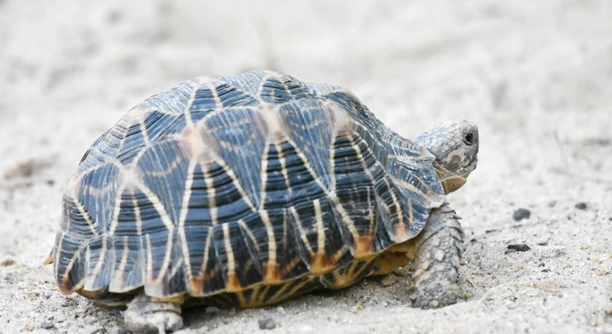
Turtles are fascinating pets, but sometimes their shells can start to look a bit off. If you’ve noticed changes in your turtle’s shell, it’s important to understand what’s happening and why.
A warped shell in turtles is often a sign of poor care, such as improper diet, insufficient UVB exposure, or incorrect habitat conditions. This can cause the shell to grow unevenly or deform over time.
Understanding the causes behind shell warping will help you keep your turtle happy and healthy. It’s important to address these issues early to prevent further complications.
Common Causes of Shell Warping
A turtle’s shell is a vital part of its body, and any changes to it can indicate problems. If your turtle’s shell begins to warp, it’s usually linked to environmental or dietary issues. For example, improper lighting and temperature in the tank can lead to shell malformations. Turtles need UVB light to process calcium, which helps them build strong, healthy shells. Without adequate UVB exposure, your turtle’s shell may begin to soften and warp over time.
Another issue could be a lack of proper nutrition. Turtles need a balanced diet that includes enough calcium, vitamins, and minerals to keep their shells strong. If they’re missing key nutrients, the shell might show signs of deformity. A diet consisting mainly of lettuce or other low-calcium foods can contribute to weak shells.
When setting up your turtle’s habitat, it’s important to provide proper lighting, a balanced diet, and the correct water temperature. These factors can all impact the health of your turtle’s shell and overall well-being.
How to Prevent Shell Warping
If you notice any signs of shell warping, it’s best to take action quickly. Properly setting up their environment will help prevent further damage. A well-lit tank and the right water temperature are the first steps to a healthy turtle shell.
To improve your turtle’s shell health, make sure they’re receiving the right nutrients. Calcium-rich foods and a proper UVB light setup are key to maintaining their shell. Regularly check your turtle’s habitat to ensure everything is in optimal condition.
The Importance of UVB Lighting
UVB lighting is essential for turtles to properly absorb calcium and maintain a healthy shell. Without it, their shells may soften and become prone to warping. Ensure your turtle’s tank has a UVB light that provides the necessary spectrum for at least 10-12 hours a day.
Turtles require UVB exposure to synthesize vitamin D3, which allows them to absorb calcium from their food. If your turtle doesn’t have access to UVB light, its shell will likely become weaker over time. Even though some turtles can get some exposure outdoors, a proper UVB light is crucial when they’re indoors.
Setting up the right UVB lighting system is easy and affordable. Just make sure the bulb is placed at the proper distance from the turtle’s basking spot, as this ensures the light’s effectiveness. Replace the UVB bulb every 6-12 months, as it loses its potency over time.
Proper Diet for Healthy Shells
A well-balanced diet rich in calcium and vitamins is essential for a turtle’s shell health. Feeding them the right foods will help prevent shell deformities. Include dark leafy greens, calcium supplements, and protein sources to support growth and shell maintenance.
Overfeeding on low-calcium foods, like iceberg lettuce, can contribute to weak shells. Instead, offer a variety of foods such as kale, collard greens, and occasional protein like worms or fish. It’s also important to provide cuttlefish bone or other calcium-rich supplements to promote healthy shell growth.
A good diet alone won’t fix a turtle’s shell if the lighting or environment is lacking. It’s important to provide proper care across all areas of your turtle’s life to avoid shell issues in the long run.
Water Temperature and Shell Health
Water temperature plays a crucial role in maintaining your turtle’s overall health, including its shell. A tank that’s too cold can stress your turtle and cause its shell to weaken over time. Ensure the water stays between 75-80°F for the best results.
If the water is too cold, your turtle’s metabolism slows down, which can lead to poor digestion and weak shells. A water heater designed for reptiles is an easy solution to keep the tank at a stable, comfortable temperature. Don’t forget to monitor the water temperature regularly.
Proper Basking Area
A basking area is just as important as the water itself. Turtles need a dry spot where they can completely warm up under UVB light. Without a proper basking area, they won’t be able to regulate their body temperature, affecting their shell and overall health.
Make sure the basking spot is at the right height so your turtle can fully emerge from the water to dry off. Use a sturdy platform, and ensure the area is well-lit with both UVB and heat bulbs. This setup promotes healthy shell development and overall well-being.
Shell Care and Maintenance
Sometimes, a turtle’s shell may need additional care to prevent problems like soft spots or minor warping. Regularly cleaning the shell with a soft brush can help prevent infections and buildup that might damage the shell. Keep an eye out for any unusual changes in texture or color.
If your turtle’s shell is already showing signs of deformity, providing extra calcium and adjusting their environment might help. It’s also important to avoid handling your turtle too roughly, as this can put stress on their shell and lead to damage.
FAQ
How can I tell if my turtle’s shell is softening?
A softening shell may feel rubbery to the touch, especially along the edges. If the shell feels flexible or squishy, it’s likely due to a lack of calcium or inadequate UVB exposure. You may also notice slight deformities or indentations forming. A soft shell can lead to further health complications if not addressed immediately. If you suspect softening, make sure to adjust your turtle’s diet, increase calcium intake, and ensure proper UVB lighting. Monitoring your turtle closely for any further changes will help prevent severe damage.
Can a warping shell be fixed?
Once a turtle’s shell has warped, it’s difficult to completely fix, but you can prevent further damage. Addressing the underlying causes, such as improper diet or lighting, is key. Shell malformations often stop progressing when the turtle’s environment and diet are corrected. In some cases, if the shell is severely deformed or damaged, seeking advice from a reptile vet may be necessary. They can guide you on the best care practices for your specific turtle’s condition.
How long does it take for a turtle’s shell to recover?
The recovery time for a turtle’s shell depends on how severe the damage is and how quickly you address the issues. Minor warping may improve in a few months if the turtle receives proper care, while more significant damage may take longer. Consistent UVB exposure, a calcium-rich diet, and a stable tank environment can promote recovery. However, it’s important to note that complete recovery may not always be possible in extreme cases.
Can I use any UVB light for my turtle’s tank?
Not all UVB lights are suitable for turtles. It’s essential to choose a UVB bulb designed specifically for reptiles. These bulbs emit the right kind of UVB rays that turtles need for vitamin D3 synthesis. UVB bulbs for reptiles are available in different strengths, so make sure the bulb you choose provides sufficient UVB intensity. Also, consider the wattage and the size of the tank. Regularly replace the bulb as its effectiveness diminishes after about 6-12 months, even if it still lights up.
Is it safe to keep my turtle outside?
Keeping your turtle outside can be beneficial for natural sunlight and outdoor temperatures, but only in a controlled environment. If you live in a warm climate, your turtle may benefit from time in an outdoor enclosure with proper fencing and shelter. However, never leave your turtle unattended, as predators or environmental hazards could pose a risk. If you’re unsure, it’s best to consult with a veterinarian or an experienced turtle owner for advice on outdoor care.
How can I prevent my turtle’s shell from warping?
Preventing shell warping involves creating the right conditions for your turtle’s health. Ensure it gets enough UVB exposure, provides a proper diet, and maintains stable water and basking temperatures. A well-balanced diet with sufficient calcium, vitamin D3, and other nutrients is essential for shell strength. Regular tank cleaning and proper humidity levels also contribute to a healthy living environment. Avoid handling your turtle roughly, as stress can also negatively impact shell development.
Should I take my turtle to the vet for a warped shell?
If you notice significant warping, or if your turtle’s shell seems to be in pain or infected, it’s best to take it to a vet. A reptile vet can examine the shell, offer a diagnosis, and suggest treatments or lifestyle adjustments. While minor warping can often be corrected with improved care, professional advice is necessary for severe cases to prevent further damage. A vet may also help you monitor your turtle’s calcium levels and recommend supplements if needed.
Can I fix a turtle’s shell at home?
You can’t completely fix a turtle’s shell if it has been severely damaged, but you can help prevent further damage by improving its diet, lighting, and tank environment. Calcium supplementation, UVB lighting, and proper temperature regulation will help support shell health. If the warping is minimal, it may improve over time with these adjustments. However, if the shell is fractured or seriously misshapen, a vet should be consulted.
Why is my turtle’s shell turning yellow?
A yellowing shell can be a sign of improper diet, lack of UVB exposure, or poor tank conditions. It may indicate that your turtle’s shell is not getting the proper nutrients it needs, such as calcium, or it could be a sign of a fungal infection. If you notice yellow spots, check for possible skin issues or bacterial growth. Ensure that your turtle’s habitat provides proper lighting, a balanced diet, and regular cleaning to avoid yellowing. If the problem persists, consult a vet.
Is a calcium supplement necessary for my turtle?
Yes, calcium supplements are necessary to support your turtle’s shell health. Turtles need calcium to maintain strong, solid shells. If your turtle is not receiving enough calcium from its diet, you may need to supplement it. You can use calcium powder to dust their food or offer calcium-rich foods like leafy greens. Just make sure the supplement is appropriate for reptiles, as different turtles have varying calcium needs.
How do I set up the perfect habitat for my turtle?
To create a perfect habitat, ensure your turtle has access to clean water, proper lighting (both UVB and heat), and a dry basking area. The water should be kept at a consistent temperature between 75-80°F, and the basking area should be around 85-90°F. Make sure the UVB bulb is placed correctly above the basking area to provide adequate exposure. Additionally, provide hiding spots and plants to mimic the turtle’s natural habitat. Regular water changes and cleaning are also essential to keep the environment healthy.
Can a warped shell heal on its own?
A warped shell cannot completely heal on its own, but with the proper care, the turtle can stop further warping and may recover partially. Addressing the root causes like diet and UVB lighting will prevent additional damage. A turtle’s shell grows slowly, so it may take months or even years to notice any improvement in shape. However, if the shell is severely misshapen, seeking veterinary care might be necessary to ensure the best possible outcome.
Final Thoughts
Taking care of a turtle’s shell requires attention to a few key factors: proper lighting, diet, and habitat. If you notice your turtle’s shell warping or softening, it’s important to address these issues right away. A lack of UVB light, improper water temperature, and an unbalanced diet can all contribute to shell problems. Ensuring your turtle has access to UVB light for proper calcium absorption and maintaining a stable, warm environment are the first steps in keeping its shell healthy. A diet that includes calcium-rich foods and supplements is essential for preventing deformities.
While shell warping can be corrected to some degree with improved care, it’s important to understand that extreme deformities may not fully heal on their own. In these cases, professional help from a reptile vet might be necessary. They can provide more specific guidance on how to treat any existing damage. A warped shell does not necessarily mean your turtle’s health is doomed, but it does require prompt action. The sooner you make adjustments to their environment, the more likely you are to see improvement over time.
Taking preventive measures is always better than trying to fix problems after they arise. Providing a well-lit, warm, and clean environment for your turtle will help avoid many of the issues that lead to shell warping. Regularly check their habitat to ensure the water temperature is just right and that the basking area is set up for maximum comfort. With the right care, your turtle can lead a long and healthy life, and its shell can remain strong and properly shaped.

Hello,
If you enjoy the content that we create, please consider saying a "Thank You!" by leaving a tip.
Every little bit helps us continue crafting quality advice that supports the health, happiness, and well-being of pets around the world, for pets of all shapes, sizes, and species.
We really appreciate the kindness and support that you show us!