
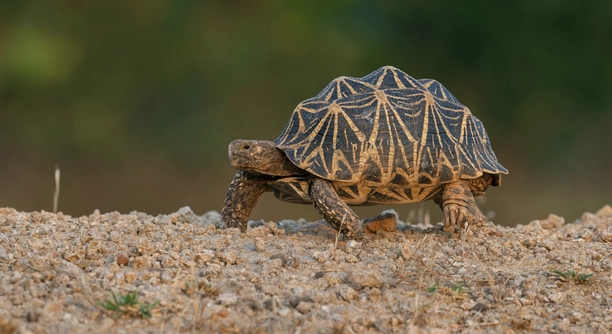
Turtles are fascinating creatures, but understanding how to support their natural behaviors can be tricky. Encouraging their instincts helps them thrive in captivity, just as they would in the wild. Proper care and environment are key.
Encouraging natural turtle behavior involves providing an environment that mimics their natural habitat. This includes offering proper heating, lighting, and space, along with offering appropriate food and opportunities for exercise, mental stimulation, and nesting.
There are many simple ways to help your turtle feel at home. By creating the right environment and routines, you can enhance their well-being and natural instincts.
Create a Natural Habitat
Turtles are happiest when they have an environment that closely resembles their natural habitat. Setting up a proper tank with enough space for your turtle to move around is essential. Make sure you include areas for basking, swimming, and hiding. The water should be kept at the correct temperature, and proper filtration is important for clean water. A UVB light will help your turtle absorb calcium, keeping their shell strong and healthy. You can add natural plants or rocks to their environment for both hiding spots and enrichment.
A properly designed enclosure will make a huge difference in how your turtle behaves.
Providing natural elements, like aquatic plants and a place to hide, helps your turtle feel secure. Wild turtles have access to diverse environments where they can rest, explore, and find food. By offering them similar features, your turtle will be able to display natural behaviors such as foraging and exploring.
Offer a Balanced Diet
Feeding your turtle a balanced diet is vital to its overall well-being. The right nutrients promote natural behavior, especially in terms of hunting and foraging. A mix of leafy greens, fruits, and appropriate animal protein will help provide the nutrients they need.
Offering a variety of foods will encourage natural behaviors like searching for food.
Turtles in the wild spend a lot of time searching for food, and providing different types of food can stimulate those instincts. Vegetables like lettuce, kale, and dandelion greens should be offered regularly. You can also offer insects like worms, crickets, or small fish for protein. Be sure to avoid feeding your turtle too much processed food or high-fat items. Some turtles will also benefit from calcium supplements, particularly if they are housed indoors with limited sunlight. Encouraging them to forage or search for food by hiding treats can keep them engaged and promote healthy activity.
Provide Proper Lighting
Turtles need proper lighting to regulate their daily activities. UVB light helps them absorb calcium, essential for healthy shells. Make sure the lighting is set up to mimic day and night cycles to maintain their natural rhythm.
The right UVB light should be placed in their enclosure. It’s crucial for turtles to have exposure to both UVA and UVB rays, as it helps in digestion and overall health. Be sure the light source is close enough for your turtle to bask under but not too close that it causes stress or burns. If you’re using a heat lamp for basking, maintain the temperature in the warm spot between 85-90°F, and the cooler side around 70°F.
Turtles are naturally active during the day and need lighting that mimics the sun. Providing a balanced day and night cycle allows your turtle to follow its natural sleep-wake patterns, which impacts overall health. Without proper lighting, turtles may experience issues like weakened shells or lethargy.
Keep the Water Clean
Dirty water can stress turtles and lead to health problems. Regular water changes and proper filtration are necessary for their well-being.
Filtration helps maintain a stable environment, removing waste and excess food. It also ensures the water stays clear and free of harmful bacteria. Depending on the size of your turtle’s tank, the filtration system should be able to handle the water volume. Make sure to clean the filter regularly to avoid buildup. In addition, monitor the water’s temperature and pH levels to keep it in an ideal range.
A clean environment encourages natural swimming behaviors and prevents infections. Turtles are aquatic animals, so providing them with clean water allows them to live freely in their habitat. If the water is dirty, your turtle may avoid swimming or basking, which can lead to stress. Regular maintenance of the water helps your turtle feel at ease and thrive.
Provide Hiding Spaces
Turtles need areas where they can retreat and feel safe. Hiding spots help reduce stress and allow your turtle to rest.
Using natural materials like rocks or submerged logs can create hiding spaces for your turtle. These provide them with a sense of security, which is important for their well-being. Ensure there are both underwater and land-based hiding options so your turtle can choose where it feels most comfortable.
Encourage Natural Basking
Basking is a key behavior for turtles. They rely on it to regulate their body temperature and dry out their shells.
Set up a basking platform that allows your turtle to completely dry off after swimming. Ensure the platform is close enough to the heat source, but not too far from the water. The basking spot should be easy for your turtle to climb onto, and it should be secure. Turtles often bask to absorb UV rays, so provide a UVB light source nearby.
Offer Swimming Space
A spacious tank gives your turtle the room to swim freely, which is crucial for their physical and mental health.
Make sure your turtle has a large enough tank with plenty of water to swim. The tank should be deep enough for them to dive and fully submerge, mimicking their natural behavior in the wild. The water should also be kept clean and at the proper temperature to encourage movement and activity.
FAQ
How often should I feed my turtle?
Turtles should generally be fed 2-3 times a week. The frequency depends on the age and species. Baby turtles need to eat more often, while adults can be fed less frequently. Overfeeding can lead to obesity and health problems, so it’s important to monitor portion sizes. Offer a mix of leafy greens, fruits, and protein. Keep in mind that some species have specific dietary needs, so it’s best to research your turtle’s species to understand its ideal feeding schedule.
Can I keep different species of turtles together?
It’s not always recommended to house different species of turtles together. Different species may have different habitat, diet, and behavioral needs. One turtle may be more aggressive than the other, leading to stress or even injury. If you do decide to house multiple turtles, ensure they have plenty of space and hiding spots to reduce conflict. Monitor their behavior closely to ensure they are not fighting or competing for food.
Do turtles need a filter in their tank?
Yes, turtles need a filter in their tank to maintain water quality. Without proper filtration, waste and uneaten food can quickly pollute the water, leading to harmful bacteria. A good filter helps keep the water clean, which is crucial for your turtle’s health. Be sure to choose a filter designed for the size of your tank and the number of turtles you have. Clean the filter regularly to keep it functioning properly.
Can I use tap water for my turtle’s tank?
Tap water can be used, but it needs to be treated to remove chlorine and other harmful chemicals. Chlorine and chloramine, commonly found in tap water, can harm your turtle’s health. You can use a water conditioner to neutralize these chemicals before adding water to the tank. It’s also important to ensure the water is at the proper temperature and pH level for your turtle’s species.
How do I know if my turtle is stressed?
Stress in turtles can show up in several ways. If your turtle is hiding more than usual, refusing to eat, or becoming lethargic, it may be stressed. Other signs of stress include aggressive behavior, excessive basking, or swimming in circles. Stress can result from poor water quality, improper tank conditions, or being housed with aggressive tank mates. Addressing the stressors, such as improving water conditions or providing more hiding spaces, can help reduce stress in your turtle.
What should I do if my turtle isn’t eating?
If your turtle isn’t eating, check the tank conditions first. Poor water quality, incorrect temperature, or lack of UVB lighting could be causing your turtle to feel unwell or stressed. If those are all in order, try offering a different food. Some turtles can be picky eaters, and you may need to experiment with different types of food to find what they like. If the lack of appetite continues, it’s a good idea to visit a vet to rule out any health issues.
How can I make my turtle’s tank more interesting?
Turtles need mental stimulation to keep them healthy and active. Adding plants, rocks, and other natural elements can create an interesting environment that encourages exploration. Hiding food around the tank can mimic the foraging behaviors they would have in the wild. Additionally, providing different types of basking areas or creating a more naturalistic setup can keep your turtle engaged. Regularly changing the tank setup or adding new elements can also keep things fresh for them.
Do turtles need to be outside?
Turtles benefit from time outside, but this depends on the species and environment. Some species, like aquatic turtles, are best suited for indoor environments, while others, like box turtles, can be kept outside if the climate is appropriate. Always ensure they are in a secure enclosure to prevent escape and protect them from predators. If you keep your turtle outside, make sure they have a safe, shaded area to retreat to during hot weather.
What is the best temperature for my turtle’s tank?
The temperature should be monitored carefully, as turtles are cold-blooded and need warmth to thrive. The water temperature should be between 75-80°F, with a basking area heated to 85-90°F. Use a thermometer to regularly check the water and basking area temperatures. Temperature regulation is crucial for digestion and overall health, so ensure you are maintaining consistent conditions.
How often should I change the water in my turtle’s tank?
Water changes depend on the size of the tank, the number of turtles, and the filtration system. As a general rule, a partial water change of 25-30% should be done weekly. This helps remove waste and maintain water quality. If your tank is heavily stocked or the water appears cloudy, more frequent changes may be necessary. Regular cleaning of the tank and filter will also help maintain water clarity.
Why is my turtle’s shell soft?
A soft shell could be a sign of a calcium deficiency or lack of UVB lighting. UVB rays help turtles synthesize vitamin D3, which is essential for calcium absorption. Without proper UVB exposure, turtles may develop soft shells or other bone issues. Ensure your turtle has a good UVB light source, and offer calcium-rich foods like leafy greens. If the problem persists, consult a vet for further evaluation.
Can I take my turtle outside for exercise?
Yes, but always supervise them. Taking your turtle outside can provide exercise and exposure to natural sunlight. Make sure the area is secure and free from predators. Never leave your turtle unsupervised, as they can escape or become stressed. Also, avoid direct contact with harmful chemicals, such as pesticides.
How can I tell if my turtle is male or female?
Determining the sex of a turtle can be tricky, especially in younger ones. Generally, males have longer tails and longer claws, while females are larger and have shorter tails. Males will also have more vibrant coloration in some species. However, these differences can vary, and the best way to determine the sex is to wait until your turtle reaches maturity.
Final Thoughts
Caring for turtles can be a rewarding experience when you understand their natural needs and behaviors. By providing the right environment, diet, and care, you help ensure that your turtle lives a healthy and happy life. Simple changes like adding hiding spaces, adjusting lighting, and keeping the water clean can make a big difference in your turtle’s well-being. These actions promote natural behaviors that help your turtle feel at ease and secure in its environment.
It’s important to remember that each turtle is unique, so some trial and error may be involved in finding what works best for your specific species. While some turtles may enjoy basking for long periods, others may prefer spending more time in the water. By observing your turtle’s behavior closely, you’ll get a better idea of what they need to feel comfortable. Make sure to research your turtle’s species to understand their specific care requirements, as different species have different preferences when it comes to temperature, diet, and habitat.
Taking the time to provide the best care for your turtle is key to fostering their natural instincts. With patience and attention, you can create a space where your turtle can thrive and display healthy behaviors. Whether it’s adjusting their diet or ensuring they have enough space to swim and bask, every small step can improve your turtle’s quality of life. By following the tips in this article, you’ll be on your way to supporting a happy, healthy, and natural lifestyle for your turtle.

Hello,
If you enjoy the content that we create, please consider saying a "Thank You!" by leaving a tip.
Every little bit helps us continue crafting quality advice that supports the health, happiness, and well-being of pets around the world, for pets of all shapes, sizes, and species.
We really appreciate the kindness and support that you show us!