
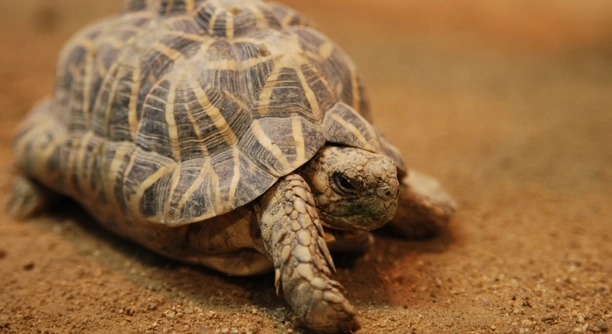
Is your turtle’s shell growing unevenly? It’s a common concern for pet owners who notice something unusual about their turtle’s growth patterns. Understanding the causes of an uneven shell is key to ensuring your turtle’s health.
An uneven turtle shell often results from factors like poor diet, inadequate lighting, or underlying health conditions. Uneven growth can be a sign of metabolic bone disease, dehydration, or even improper living conditions. Prompt attention is essential.
Learning about the reasons behind uneven shell growth is important to avoid long-term health problems. Keep reading to understand how you can help your turtle thrive and grow a healthy, even shell.
Understanding the Causes of Uneven Shell Growth
Uneven shell growth in turtles is often linked to diet, lighting, and overall care. If your turtle’s shell looks misshapen or lopsided, it’s important to examine its environment and habits. A poor diet lacking essential nutrients, like calcium, can lead to abnormal shell development. Turtles require UVB light for proper calcium absorption. Without it, their shells may become soft or uneven. Inadequate basking areas and incorrect temperatures can also affect growth. Another issue may be metabolic bone disease, which affects calcium processing and leads to deformities in the shell. Sometimes, dehydration can cause the shell to grow unevenly as well. It’s critical to regularly check on your turtle’s habitat and make sure it’s receiving the right amount of heat, UVB light, and proper food. Ensuring these factors are balanced is key to healthy shell growth.
Correcting these factors can often lead to better shell growth and health. If you’ve noticed any issues, adjusting their diet and environment should be your first step.
Keeping your turtle’s environment clean and ensuring they are properly hydrated can also make a huge difference. You may need to visit a vet if conditions don’t improve.
The Role of Diet and Nutrition in Shell Health
Turtles need a balanced diet with the right amount of vitamins and minerals to keep their shells healthy. A lack of calcium in their food can lead to shell deformities. Calcium helps maintain shell strength and support healthy growth. If your turtle is not eating foods rich in calcium, it may develop soft, uneven shells. You can supplement their diet with calcium powder or consider offering foods like kale, collard greens, or calcium-enriched pellets.
A poor diet doesn’t just affect the shell; it can also harm other aspects of their health. Inadequate nutrition makes it harder for turtles to process essential vitamins. Healthy eating ensures your turtle can grow properly, with a strong, evenly shaped shell.
The Importance of Proper Lighting
Proper lighting is essential for your turtle’s shell health. UVB light helps them absorb calcium and maintain a strong shell. Without UVB light, your turtle may develop soft or uneven shell growth. Ensure your turtle’s habitat has both UVB and UVA lighting to mimic natural sunlight.
Turtles rely on UVB rays to produce vitamin D3, which is crucial for calcium absorption. Without it, even the best diet won’t be enough to support proper shell development. Make sure the light is positioned close enough to the turtle to provide the needed exposure. A timer can help regulate light exposure for optimal growth.
Overexposure to UVB light can also cause problems. Too much exposure can lead to burns or dehydration, affecting your turtle’s overall health and shell. It’s important to strike a balance and keep track of how much time your turtle spends under the light.
Hydration and Shell Growth
Dehydration can directly impact your turtle’s shell growth. If your turtle isn’t getting enough water, its shell may become brittle or uneven. Make sure your turtle has access to fresh, clean water at all times. Keeping the water clean is also important for preventing infections.
Turtles absorb water through their skin and need consistent hydration to maintain shell health. Regular water changes are important to prevent any harmful bacteria from growing, which can cause further issues for your turtle’s shell. Offer your turtle a water area where it feels comfortable and can swim freely. A consistent water temperature will also help keep it hydrated.
A lack of water can result in many health issues, including poor shell development. Always monitor your turtle’s water intake and ensure that it is well-hydrated. If dehydration persists, consult a vet to get advice on improving hydration.
Temperature and Habitat Conditions
Turtles rely on proper temperature regulation for healthy shell growth. Too hot or too cold can disrupt their growth patterns. Make sure your turtle’s environment has a warm basking spot and a cooler area for swimming. This temperature gradient is vital for their overall well-being.
An improper temperature range can stress your turtle and lead to growth issues. The basking spot should be around 85-90°F (29-32°C), while the water temperature should be around 75-80°F (24-27°C). Always monitor the habitat with a thermometer to ensure the environment stays consistent.
Health Conditions Affecting Shell Growth
Metabolic bone disease (MBD) is a common health issue that causes abnormal shell growth. This condition occurs when a turtle’s body doesn’t get enough calcium or vitamin D3, leading to deformities. MBD can make the shell soft, uneven, and more vulnerable to damage.
If you suspect your turtle has MBD, visit a vet for proper diagnosis and treatment. The condition may be reversed with the right care, such as improved lighting, diet, and calcium supplements. Early intervention is key to preventing permanent damage and restoring healthy shell growth.
Overcrowding in the Tank
Overcrowding in your turtle’s tank can create stress and poor living conditions. If there are too many turtles in one space, they may compete for food, space, and warmth, which can affect their health and shell growth. Keeping the tank environment balanced is essential.
FAQ
Why is my turtle’s shell growing unevenly?
An uneven shell is often a result of poor diet, lack of UVB light, dehydration, or improper habitat conditions. Turtles need a well-balanced diet with calcium-rich foods and proper lighting to ensure healthy shell growth. Without UVB light, calcium absorption is impaired, leading to soft or misshapen shells. Also, inadequate water or fluctuating temperatures in their environment can cause stress and slow down proper growth. Keeping their habitat clean and providing access to fresh water can help prevent issues.
Can my turtle’s shell grow unevenly if it’s dehydrated?
Yes, dehydration can lead to uneven shell growth. If a turtle doesn’t get enough water, its shell may become brittle, soft, or lumpy. Turtles absorb moisture through their skin, so it’s essential that they have constant access to fresh, clean water. Poor hydration affects their overall health, including shell development.
How much calcium does my turtle need for healthy shell growth?
Calcium is crucial for healthy shell development. Turtles need a calcium supplement if their diet lacks enough calcium-rich foods like kale, collard greens, or calcium-enriched pellets. An imbalance in calcium can cause shells to grow unevenly, leading to soft or deformed areas. The exact amount of calcium needed depends on your turtle’s size and age. Consult a vet for advice on appropriate supplements for your turtle.
What’s the best way to provide UVB light to my turtle?
To ensure your turtle gets enough UVB light, you should use a UVB light bulb specifically designed for reptiles. Place the light source about 6-12 inches from the turtle’s basking area to ensure it absorbs adequate UVB rays. A timer can help provide 10-12 hours of light daily. UVB light is essential for calcium absorption and shell health.
How can I prevent my turtle’s shell from getting soft?
A soft shell is often caused by a lack of UVB light, calcium, or poor water quality. Make sure your turtle is getting adequate lighting, especially UVB, and feeding it a calcium-rich diet. Keep the tank water clean and maintain proper temperature levels. Regularly monitor your turtle’s shell for any changes.
Is it normal for a turtle’s shell to grow in layers?
Yes, it is normal for a turtle’s shell to grow in layers. The shell develops in concentric rings, similar to the rings inside a tree trunk. These growth rings may appear uneven if the turtle is not receiving the proper care, but it’s a natural process. However, if the layers appear jagged or abnormal, it could indicate a health issue.
Can improper basking affect my turtle’s shell growth?
Yes, improper basking can affect shell growth. Turtles need a warm basking area to help with digestion and the absorption of UVB light, both of which are crucial for healthy shell development. If the basking area is too cold or too hot, it can stress your turtle, leading to uneven shell growth. Make sure the basking spot is between 85-90°F (29-32°C) to help your turtle thrive.
How often should I change my turtle’s water to promote healthy shell growth?
Water changes are vital for keeping your turtle healthy and supporting proper shell growth. Dirty or stagnant water can cause bacteria to build up, leading to infections that may affect shell development. Perform partial water changes at least once a week, and completely change the water every 4-6 weeks. Always ensure the water is at the right temperature, between 75-80°F (24-27°C).
Is my turtle’s shell uneven because it’s growing too quickly?
Shells may grow unevenly if the turtle is growing too quickly, which can happen due to overfeeding or improper care. Rapid growth can stress the turtle’s body and cause deformities in the shell. Make sure you’re feeding your turtle an appropriate amount of food for its size and species. Overfeeding can lead to obesity and other health issues, including uneven shell growth.
Can stress cause uneven shell growth in turtles?
Yes, stress can contribute to uneven shell growth. If your turtle is experiencing overcrowding, temperature fluctuations, or a lack of hiding spots, it can become stressed, which may affect shell development. Stress weakens the immune system and can lead to a range of health issues. Ensure your turtle has a calm and appropriate environment with plenty of space to swim, bask, and hide.
Final Thoughts
Uneven shell growth in turtles can be concerning, but it’s often a result of environmental or dietary factors that can be adjusted with some care. Ensuring your turtle has a balanced diet, proper UVB lighting, and a suitable habitat is crucial to their health and shell development. By providing these key elements, you can help prevent shell deformities and ensure your turtle grows strong and healthy.
It’s also important to keep an eye on your turtle’s behavior and shell condition. If you notice any changes, such as soft spots or uneven growth, it may be a sign that something in their care routine needs adjustment. Early detection is key to preventing serious health issues, like metabolic bone disease or dehydration, which can have long-term effects on your turtle’s shell and overall well-being. Regular check-ups with a vet can help monitor your turtle’s health and provide guidance on any necessary treatments or changes to their environment.
Lastly, remember that turtle care requires ongoing attention. These creatures have specific needs, and meeting those needs consistently will help them thrive. It might take some time to find the right balance of diet, lighting, and temperature, but with patience, you can create the best possible environment for your turtle. By staying informed and proactive, you’ll help ensure your turtle leads a healthy life, free from shell-related problems.

Hello,
If you enjoy the content that we create, please consider saying a "Thank You!" by leaving a tip.
Every little bit helps us continue crafting quality advice that supports the health, happiness, and well-being of pets around the world, for pets of all shapes, sizes, and species.
We really appreciate the kindness and support that you show us!