
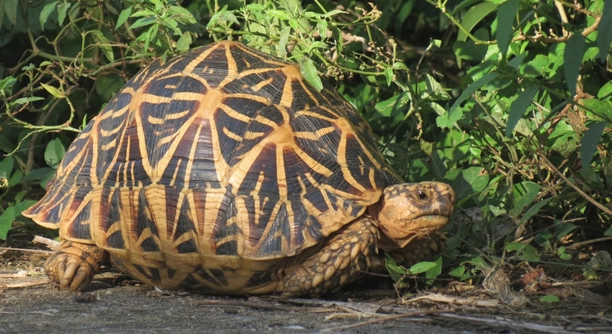
Turtles can be fascinating and low-maintenance pets, but sometimes they exhibit odd behavior, like trying to climb out of their tanks. This article explores the possible reasons behind this action and how to address it.
Turtles often try to climb out of their tanks due to a mix of factors, including boredom, stress, improper habitat conditions, or the search for food. Addressing these concerns involves adjusting their environment to meet their natural needs.
Understanding your turtle’s behavior can help create a better living space. By recognizing the reasons behind their escape attempts, you can provide a healthier and more enjoyable habitat for your pet.
Why Do Turtles Try to Climb Out of Their Tanks?
Turtles are known to be curious creatures, and their attempts to climb out of their tanks may seem puzzling. However, these behaviors are often driven by natural instincts or the environment around them. It’s not uncommon for them to look for ways to explore outside their habitat. This is particularly true for aquatic species that may feel restricted by the tank’s boundaries. They are instinctively motivated by a desire to find food, bask in sunlight, or simply move to a different location. These attempts may also happen if the turtle is experiencing stress or if its environment is lacking the necessary elements for comfort. Identifying the root cause of the behavior can help you make adjustments to improve your turtle’s living situation.
The behavior might be linked to the search for something more stimulating, like better lighting or food. Offering a more enriching space could calm your turtle.
Adjusting your turtle’s tank setup can prevent escape attempts. Adding structures for climbing or improving the environment could make them feel more secure. Turtles in smaller tanks or enclosures may feel cramped, leading them to search for escape routes.
Tank Size and Environment
If your turtle’s tank is too small, it might be attempting to escape simply because it doesn’t have enough space to move around. A cramped environment can be stressful, which can trigger climbing behavior. This is particularly true for turtles that require both water and dry areas to bask. If they can’t reach their preferred spots, they might try to find a way out. Be sure the tank is large enough to accommodate your turtle’s size and needs. For most species, a 40-gallon tank is recommended, though larger tanks are always better.
Turtles often need more room to thrive. A tank that’s too small limits their natural behaviors and can cause them to feel trapped.
A suitable tank setup includes water deep enough for swimming, a basking area with proper lighting, and a secure lid to prevent escape. If the tank is too small or lacks the right elements, your turtle may start to climb out as a response to frustration or discomfort. Try adding enrichment like hiding spots or plants to encourage natural behaviors. A tank lid or enclosure should be securely fitted to keep your turtle safely inside. When your turtle has everything it needs, it will be less likely to seek an escape route.
Stress and Anxiety
Turtles are sensitive to changes in their environment, and stress can lead to climbing attempts. New surroundings, loud noises, or unfamiliar people may make your turtle uneasy. This anxiety can trigger escape behavior as a way to seek safety or comfort.
If your turtle is stressed, it may start acting more restless, trying to climb out or hiding more than usual. Environmental factors such as sudden temperature changes or too much interaction can contribute. Turtles are creatures of habit, and when their routines are disrupted, it can cause anxiety. Try to create a consistent, peaceful environment with minimal disturbances.
Stress can also arise from the presence of other pets. Turtles may feel threatened if they share space with aggressive animals or even overly curious pets like dogs or cats. Keeping your turtle in a quiet, calm environment with minimal stressors will reduce escape attempts.
Insufficient Lighting and Temperature
Improper lighting or temperatures in the tank can make your turtle feel uncomfortable, leading it to look for a way out. Turtles need UVB light to absorb calcium and regulate their metabolism. Without the right lighting, they may attempt to escape in search of warmth or sunlight.
A basking spot with proper lighting is essential for your turtle’s health. UVB lights should be replaced regularly, and the temperature should be monitored closely. If the water is too cold or the basking area isn’t warm enough, your turtle might try to climb out in search of the right conditions. Temperature fluctuations can also lead to health issues, like lethargy or loss of appetite, which may prompt your turtle to seek a different environment.
Providing a consistent heat source and proper UVB lighting helps keep your turtle happy and healthy. Be sure to check your tank’s thermometer regularly to ensure the temperature is within the recommended range. Adding a reliable heat source can make a big difference in your turtle’s behavior, reducing stress and minimizing escape attempts.
Boredom and Lack of Enrichment
Turtles, like any pet, need stimulation to stay happy. Without enough things to explore, climb, or hide in their tank, they may try to escape in search of more excitement. A lack of activities can lead to restlessness.
Providing enrichment like plants, rocks, and platforms to climb on can help. Turtles enjoy investigating their environment, so adding objects like caves or basking spots can prevent boredom. A lack of visual stimulation or interactive items might cause your turtle to act out by climbing. Ensuring their habitat is engaging will help them feel more secure and entertained.
Hunger or Seeking Food
If your turtle is hungry or searching for food, it may attempt to climb out of the tank. This behavior is especially common if your turtle associates the outside of the tank with feeding time. Turtles are natural foragers, and they may look for food beyond their tank’s boundaries.
Make sure to feed your turtle regularly and maintain a proper feeding schedule. If your turtle seems to be trying to escape when it’s close to feeding time, it may simply be looking for its next meal. Also, consider offering a variety of foods to keep your turtle satisfied and engaged.
Territorial Behavior
Turtles are territorial animals and may try to escape if they feel their space is being threatened. This could be due to the presence of another turtle or even an aggressive pet in the household. Territorial disputes can lead to climbing attempts as a way to find a more secure area.
If you have multiple turtles, ensure they have separate spaces or adequate room to avoid conflict. Aggressive behavior between turtles can lead to stress, which in turn may lead them to attempt escaping. It’s important to monitor how they interact and provide enough space for each turtle to feel safe in their environment.
FAQ
Why is my turtle trying to climb out of its tank?
Turtles may try to climb out of their tanks for several reasons, such as boredom, stress, hunger, or discomfort with their living conditions. It’s essential to evaluate your turtle’s environment. Check for factors like tank size, temperature, lighting, and enrichment options. Making sure your turtle’s needs are met can reduce escape attempts.
What should I do if my turtle keeps trying to escape?
If your turtle is repeatedly trying to escape, start by assessing its habitat. Ensure the tank is large enough, and that there are proper basking areas and UVB lighting. Adding enrichment, like rocks or plants, can also help. If the behavior persists, check if there are stress factors, such as noise or the presence of other pets, and make adjustments to reduce them.
Is it normal for my turtle to climb the walls of its tank?
Climbing the walls of the tank is a behavior many turtles exhibit, especially if they’re trying to escape or if they’re bored. It’s usually a sign that your turtle is looking for more stimulation or feels restricted. If climbing becomes frequent, consider improving the environment with more space, climbing platforms, and hiding areas.
How can I make my turtle’s environment more comfortable?
To make your turtle feel comfortable, ensure the water temperature and basking area are appropriate for the species. Provide a secure and spacious tank, and ensure proper UVB lighting. Adding items like floating platforms, plants, or caves can help mimic their natural environment and give them more places to explore.
Can stress cause my turtle to escape its tank?
Yes, stress is a common reason for escape attempts. Changes in their environment, such as new tank mates, loud noises, or even irregular feeding schedules, can lead to anxiety in turtles. Reducing disturbances, maintaining a consistent routine, and providing a quiet, secure space can help alleviate stress and prevent climbing behavior.
Should I worry if my turtle keeps trying to escape?
While occasional climbing or exploration is normal, persistent escape attempts should be addressed. It’s important to identify what may be causing your turtle to feel uncomfortable or trapped. If the issue is environmental, making adjustments can improve your turtle’s well-being. If behavior doesn’t improve, consulting with a veterinarian may be necessary.
How can I prevent my turtle from escaping?
To prevent your turtle from escaping, ensure the tank is secure with a fitted lid or cover. Also, make sure the tank is large enough for your turtle to move comfortably, with proper heating, lighting, and water conditions. Providing enrichment items will also help keep your turtle engaged and less likely to climb.
Can my turtle escape if the tank lid is secure?
While a secure lid can prevent most escape attempts, turtles can sometimes still try to climb, especially if they are stressed or looking for more space. It’s important to check that the lid is tightly secured to avoid accidental escapes, but also make sure the environment itself is suited to your turtle’s needs to reduce the urge to climb.
How often should I feed my turtle?
Feeding schedules depend on the age and species of your turtle. Juvenile turtles usually need to be fed daily, while adult turtles can be fed every other day. A consistent feeding schedule can help reduce hunger-driven escape attempts. Make sure the food you provide is balanced and appropriate for your turtle’s species.
Can overcrowding cause turtles to try to escape?
Yes, overcrowding can create stress and competition for space, leading to climbing attempts. Turtles need their own space to feel safe and secure. If you have more than one turtle, be sure the tank is large enough for them to coexist without feeling threatened. Adding separate basking spots can also help reduce territorial conflicts.
How do I know if my turtle is stressed?
Signs of stress in turtles can include erratic swimming, loss of appetite, hiding, excessive basking, or frequent escape attempts. If your turtle is showing signs of stress, take a look at its environment. Check for factors like overcrowding, temperature, or the presence of aggressive pets. Reducing stressors will help calm your turtle.
Can temperature changes make my turtle try to escape?
Yes, temperature fluctuations can cause stress and discomfort, prompting your turtle to attempt to escape. Turtles rely on a consistent temperature for proper digestion and health. Ensure the water temperature and basking areas are appropriate for your turtle’s species. A thermometer can help maintain the right balance.
Do turtles need a lot of space in their tank?
Yes, turtles need space to swim and explore. A tank that’s too small can lead to stress and climbing behavior. The larger the tank, the more room your turtle has to move around, reducing feelings of confinement. Ensure the tank provides enough space for swimming, basking, and hiding areas.
Final Thoughts
Understanding why your turtle is trying to climb out of its tank is crucial for providing a comfortable and healthy living space. Turtles may exhibit this behavior due to several reasons, such as stress, boredom, hunger, or improper habitat conditions. It’s important to pay attention to these signs and make changes where necessary. Ensuring that your turtle has enough space, proper lighting, and a balanced diet will help address many of these issues. Turtles thrive in environments that mimic their natural surroundings, so adding enrichment items like rocks, plants, and platforms can also reduce escape attempts.
One key factor to consider is the size of the tank. A tank that’s too small can make your turtle feel restricted and uncomfortable, prompting it to try to climb out. Having a large enough tank with both a water area and a basking spot is essential for your turtle’s well-being. Additionally, maintaining proper water temperature, basking temperature, and UVB lighting is crucial for a turtle’s health. If any of these elements are off, it can cause stress or discomfort, which may lead to escape behavior. A secure lid will also help keep your turtle safe, especially if it’s prone to climbing.
Finally, keep in mind that every turtle is different. While some may climb out due to boredom, others might be more sensitive to changes in their environment or may feel threatened by other pets. By regularly observing your turtle’s behavior and making adjustments to its environment, you can reduce the likelihood of escape attempts. Providing a stable, enriched, and comfortable space will help keep your turtle happy and prevent it from searching for an escape route. If the behavior continues despite making these changes, consulting a veterinarian can help address any underlying health or behavioral issues.

Hello,
If you enjoy the content that we create, please consider saying a "Thank You!" by leaving a tip.
Every little bit helps us continue crafting quality advice that supports the health, happiness, and well-being of pets around the world, for pets of all shapes, sizes, and species.
We really appreciate the kindness and support that you show us!