
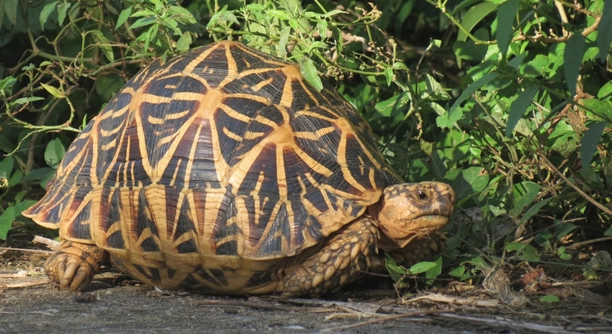
Turtles are fascinating creatures, and many owners find themselves puzzled by their turtle’s digging behavior. It’s a common sight, but understanding why it happens is key to addressing it effectively.
Turtles dig for a variety of reasons, including creating a comfortable nesting spot, seeking food, or adjusting their environment. Stress, temperature changes, and natural instincts can also influence their digging behavior.
Understanding the cause of this behavior will help you better care for your turtle. From environmental factors to their natural instincts, knowing the reason behind the digging can make a big difference.
1. Natural Instincts
Turtles are instinctive creatures, and digging is often linked to their natural behavior. In the wild, turtles dig to create burrows or nests, providing them with shelter and a safe place for eggs. This instinct to dig remains strong in pet turtles. Even if they are not reproducing, they may still feel the need to dig for comfort and security. When a turtle digs, it may be attempting to replicate its natural habitat or seeking a safer space. The feeling of control over their environment helps reduce stress and promotes overall well-being.
Some species of turtles, such as box turtles, are more likely to dig due to these instincts. If your turtle is digging frequently, this could be the reason behind the behavior.
Creating an environment that mimics their natural habitat is essential for reducing unnecessary digging. A well-planted tank with areas to burrow will give your turtle the sense of security it needs. This can help your turtle feel at ease, encouraging less digging behavior.
2. Stress and Anxiety
Stress can be a major factor in digging behavior. Turtles may dig when they are feeling anxious or unsettled. Changes in their environment, such as a new tank or different tank mates, can cause stress. The presence of loud noises, too much handling, or inadequate lighting can also contribute to anxiety. Turtles use digging as a way to cope with these stressors.
Turtles with limited space, or those kept in environments that do not meet their needs, may become agitated.
Providing a quiet, comfortable space for your turtle will help minimize stress. Avoid frequent handling and ensure the habitat is stable. Regularly checking the water temperature, UVB lighting, and overall enclosure conditions is essential in keeping your turtle calm. If your turtle is still digging despite these adjustments, it might be worthwhile to evaluate other potential sources of stress.
3. Temperature Changes
Temperature plays a significant role in turtle behavior. Turtles are cold-blooded, meaning their body temperature relies on their environment. If their habitat is too hot or too cold, they may dig to find a more comfortable spot. In the wild, turtles dig to adjust their position for optimal warmth or coolness.
Maintaining a stable temperature is crucial for your turtle’s health. A temperature range of 75°F to 85°F is ideal for most species. Providing a heat source, like a basking lamp, can help your turtle regulate its body temperature. A cooler area in the tank also allows your turtle to move to a more comfortable spot.
If your turtle is digging excessively, check the temperature in both the basking and cooler areas of the tank. Too much fluctuation could stress your turtle and lead to more digging. Keeping the environment consistent will help your turtle feel secure and reduce unnecessary digging.
4. Lack of Space
Turtles need plenty of space to roam and explore. If your turtle’s tank is too small, it may dig in an attempt to find more room. A cramped environment can cause frustration and stress, prompting your turtle to dig as a way of seeking escape or relief.
A larger tank with ample swimming area will prevent your turtle from feeling trapped. Adding hiding spots or natural elements like rocks or plants can also encourage natural behaviors, reducing the need for digging.
If space is limited, consider upgrading the tank to one that provides your turtle with enough room to move around freely. A more spacious environment can reduce digging and other stress-related behaviors. Keeping the tank clean and clutter-free will also help improve your turtle’s living conditions.
5. Breeding Behavior
During breeding seasons, female turtles may dig to create a nesting area for their eggs. This is a natural and instinctive behavior, even in captivity. If your turtle is of reproductive age, digging could be a sign of readiness to lay eggs.
If your female turtle starts digging frequently, consider providing a nesting box or a deeper substrate in her tank. This will allow her to engage in her natural behaviors safely.
A proper nesting area is crucial for her well-being. Without a suitable space to lay eggs, she may become stressed, which can lead to further digging or even health issues. Make sure her environment meets all her reproductive needs.
6. Hunger or Foraging
Turtles may dig when they’re hungry or searching for food. Some turtles are natural foragers, and digging helps them search for food in the wild. If your turtle is not receiving enough food or the right type of diet, it may resort to digging as a behavior to find more.
Ensure your turtle’s diet is varied and rich in the nutrients it needs. A well-balanced diet will reduce the urge to dig out of hunger.
Adding natural elements like plants or hiding spots in the tank can also simulate the foraging experience, encouraging healthier behaviors while keeping them engaged.
FAQ
Why is my turtle digging so much?
Turtles dig for a variety of reasons. It could be due to their natural instincts, stress, temperature changes, lack of space, or even hunger. Digging helps them feel secure, adjust their environment, or search for food. Identifying the cause can help you address the behavior effectively.
How can I stop my turtle from digging?
To stop your turtle from digging, start by ensuring its environment is suitable. This includes maintaining proper temperature, providing enough space, and reducing stress. You may also want to create a nesting area if your turtle is breeding or give it more things to forage.
Do I need to provide a nesting area for my turtle?
Yes, if you have a female turtle that is old enough to breed, you should provide a nesting area. This is important for her health and well-being. A proper nesting spot helps her feel safe to lay eggs, reducing stress and preventing other digging behaviors.
Can my turtle’s tank size cause it to dig?
Yes, a small tank can lead to digging behavior. If your turtle doesn’t have enough space to swim or move around freely, it may dig to try and escape. Ensure the tank is large enough to meet your turtle’s needs, typically at least 40 gallons for smaller species.
Is it normal for turtles to dig all the time?
No, excessive digging can be a sign of something wrong in your turtle’s environment. While occasional digging is natural, constant digging often points to stress, temperature issues, or insufficient space. Take a closer look at your turtle’s habitat to determine what might be causing this behavior.
What should I do if my turtle digs up the substrate in its tank?
If your turtle is digging up the substrate, you may need to check if the tank conditions are right. Consider changing the type of substrate to one that is deeper or more suitable for digging. Also, make sure the environment isn’t too hot or cold and that the tank offers enough space.
Can my turtle dig to escape the tank?
Yes, some turtles may dig in an attempt to escape if they feel stressed or cramped. A proper tank size, secure lid, and a stable, safe environment are crucial to preventing escape behavior. Regularly check the tank for any weaknesses that could lead to an escape.
Is digging a sign that my turtle is unwell?
Digging can sometimes indicate that your turtle is not feeling well, especially if it’s a new behavior. Illness or discomfort may make a turtle dig more in an attempt to find a more comfortable spot. If the digging continues, consult with a vet to rule out health problems.
How can I help reduce stress for my turtle?
To reduce stress, make sure your turtle’s environment is quiet, safe, and stable. Avoid frequent handling, check the water temperature, and ensure the lighting is appropriate. Create hiding spots and provide enough space for swimming and basking to reduce stress levels.
Do turtles dig when they are bored?
Yes, turtles may dig when they are bored, especially if they have nothing else to do. Enriching their environment with plants, rocks, or hiding spots can help. Regularly offering them new foods or toys can also keep them mentally engaged and reduce the urge to dig out of boredom.
Can digging be a sign of a turtle being hungry?
Yes, if your turtle is digging after meals or while you’re around, it could be a sign that it’s still hungry or looking for food. Make sure you’re providing a well-balanced diet and enough food. Some species are natural foragers and may dig even if they’re not hungry.
How deep should the substrate be for my turtle?
The substrate depth depends on the species of turtle. For burrowing turtles, such as box turtles, a substrate depth of at least 4-6 inches is recommended. This allows them to dig and burrow comfortably. Ensure the substrate is safe, such as coconut fiber or soil, without sharp objects.
Does the type of substrate affect my turtle’s digging?
Yes, the substrate you use can influence digging behavior. Some substrates, like sand or loose soil, encourage digging, while others, like gravel, may deter it. Ensure the substrate is safe and comfortable for your turtle to dig in if it’s part of its natural behavior.
What happens if my turtle doesn’t have enough space to dig?
If your turtle doesn’t have enough space to dig, it may start showing stress-related behaviors. This includes excessive digging, pacing, or attempts to escape. Make sure your turtle has enough room to explore and create a comfortable environment for its natural behaviors.
Can I stop my turtle from digging if I change its tank decorations?
Changing the tank decorations can help, but it’s only a part of the solution. You need to ensure the overall environment is healthy, including appropriate temperature, space, and lighting. Adding more hiding spots, plants, or even a nesting area can encourage your turtle to dig less.
Final Thoughts
Understanding why your turtle digs can help you create a better environment for it. Turtles dig for several reasons, such as following their natural instincts, adjusting to temperature changes, or simply searching for food. Digging can also be a sign of stress or a need for more space. By recognizing the cause of the behavior, you can take steps to make your turtle feel more comfortable and reduce unnecessary digging. It’s essential to pay attention to the conditions in the tank and ensure they meet your turtle’s needs, such as providing enough space, proper lighting, and the right temperature.
Creating a suitable habitat is key to minimizing digging. A larger tank with plenty of space for swimming and basking is important. If your turtle is a digger by nature, make sure there are areas where it can safely engage in this behavior, like a deeper substrate or a nesting area if it’s female and ready to lay eggs. Additionally, controlling temperature and providing adequate hiding spots can help your turtle feel secure and reduce anxiety-related digging. When turtles feel safe and have everything they need, they are less likely to dig excessively.
If your turtle’s digging becomes excessive or out of the ordinary, it may be time to reassess its environment. Look for signs of stress, hunger, or boredom, and address them by adjusting the tank’s setup. You can also consider consulting a vet if the behavior seems linked to health issues. Overall, being proactive and attentive to your turtle’s needs can lead to a happier, healthier pet. Keep your turtle’s environment as close to its natural habitat as possible, and you’ll likely see a decrease in unwanted digging behaviors.

Hello,
If you enjoy the content that we create, please consider saying a "Thank You!" by leaving a tip.
Every little bit helps us continue crafting quality advice that supports the health, happiness, and well-being of pets around the world, for pets of all shapes, sizes, and species.
We really appreciate the kindness and support that you show us!